
 EN
EN
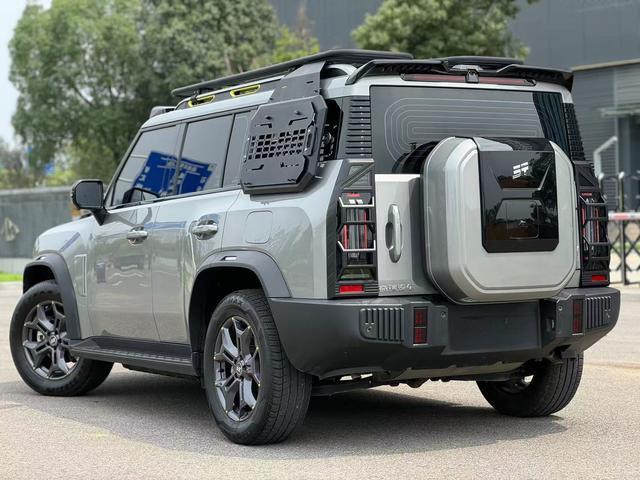
China has emerged as one of the world's largest automotive manufacturing hubs, making it an attractive destination for international buyers seeking quality vehicles at competitive prices. The process of purchasing cars for sale in china for export requires careful attention to documentation and compliance requirements that vary depending on the destination country. Understanding these requirements before initiating any purchase can save significant time, money, and potential legal complications during the export process. International buyers must navigate through various regulatory frameworks, customs procedures, and quality certifications to ensure successful vehicle exportation from Chinese manufacturers and dealers.
Essential Export Documentation Framework
Certificate of Origin Requirements
The Certificate of Origin stands as the foundational document for all cars for sale in china for export transactions. This official document, issued by Chinese customs authorities or authorized chambers of commerce, verifies that the vehicle was manufactured or substantially processed within China's borders. The certificate must contain specific details including the manufacturer's name, vehicle identification number, production date, and detailed specifications of the automobile. Different countries may require varying formats of origin certificates, with some accepting only government-issued versions while others recognize chamber of commerce attestations.
Obtaining a proper Certificate of Origin requires coordination between the exporter, manufacturer, and relevant Chinese authorities. The document must be submitted within specific timeframes and often requires pre-registration of the manufacturing facility with export authorities. Many international buyers underestimate the processing time required for origin certificate issuance, which can range from several days to weeks depending on the complexity of the vehicle and local administrative procedures.
Commercial Invoice and Packing List Documentation
Commercial invoices for automotive exports must comply with international trade standards and include comprehensive vehicle specifications, pricing details, and payment terms. The invoice serves multiple purposes including customs valuation, duty calculation, and proof of commercial transaction between parties. For cars for sale in china for export, the commercial invoice must specify engine specifications, transmission type, fuel system details, safety equipment, and any modifications made for export compliance.
Packing lists complement commercial invoices by providing detailed information about how vehicles are prepared for shipment. This includes documentation of any disassembled parts, protective packaging materials, fluid drainage procedures, and battery disconnect protocols. Proper packing list documentation helps prevent delays during customs inspection and ensures that receiving parties can properly reassemble or prepare vehicles for local registration.
Quality and Safety Certification Standards
China Compulsory Certification Requirements
The China Compulsory Certification system, commonly known as CCC certification, applies to vehicles manufactured for both domestic and export markets. While CCC certification primarily focuses on Chinese market requirements, many international buyers request CCC documentation as proof of basic quality and safety compliance. This certification covers essential safety systems including braking performance, emission controls, electrical systems, and structural integrity standards that align with international automotive safety protocols.
Vehicles intended for export markets often require additional testing beyond standard CCC requirements to meet destination country specifications. Export-oriented manufacturers typically maintain comprehensive testing records that demonstrate compliance with multiple international standards, making their cars for sale in china for export more attractive to global buyers seeking quality assurance.
International Standards Compliance Certificates
Many destination countries require vehicles to meet specific international safety and environmental standards such as ECE regulations, FMVSS standards, or ADR compliance. Chinese manufacturers increasingly obtain pre-certification for major international markets, allowing buyers to purchase vehicles that already meet destination country requirements. These certifications cover areas including crash safety performance, emission control systems, lighting and visibility standards, and electronic system compatibility.
Third-party testing laboratories in China provide independent verification services for international standards compliance. These facilities conduct comprehensive testing programs that generate detailed reports and certificates recognized by international regulatory bodies. Buyers should request copies of all relevant testing certificates and ensure that certification validity periods cover the intended export and registration timeline.
Customs and Regulatory Documentation
Export License and Permit Requirements
Chinese export regulations require specific licenses and permits for automotive exports, particularly for vehicles containing advanced technologies or dual-use components. The Ministry of Commerce oversees export licensing for cars for sale in china for export, with different requirements based on vehicle type, destination country, and technology level. Standard passenger vehicles typically require basic export permits, while commercial vehicles, electric vehicles, or those containing advanced driver assistance systems may need additional approvals.
Export license applications must include detailed vehicle specifications, intended use documentation, end-user certificates, and sometimes destination country import permits. Processing times vary significantly based on vehicle complexity and destination country relationships with China. Experienced exporters maintain ongoing relationships with licensing authorities to expedite approval processes and ensure compliance with evolving regulations.
Customs Declaration and Clearance Documents
Customs clearance for automotive exports requires comprehensive documentation including detailed customs declarations, export permits, and supporting commercial documents. The customs declaration must accurately reflect vehicle specifications, declared value, and intended shipping arrangements. Incorrect or incomplete customs documentation can result in significant delays, additional inspections, or even seizure of vehicles pending resolution of discrepancies.
Chinese customs authorities increasingly utilize electronic documentation systems that require pre-registration and digital submission of export documents. Exporters must maintain updated records in these systems and ensure that all supporting documentation aligns with electronic declarations. The integration of blockchain technology in some customs processes adds additional verification layers that enhance security but require careful attention to documentation accuracy.
Financial and Insurance Documentation
Payment and Financial Verification Records
International automotive transactions require comprehensive financial documentation including bank transfer records, letter of credit documentation, and currency exchange verification. Chinese financial regulations mandate specific reporting requirements for large automotive export transactions, particularly those involving foreign currency payments. Buyers must ensure that payment methods comply with both Chinese financial regulations and their home country's international trade finance requirements.
Financial institutions increasingly require detailed documentation of the underlying automotive transaction to process international payments. This includes copies of purchase agreements, vehicle specifications, shipping documentation, and sometimes independent valuation reports. The complexity of automotive export financing requires coordination between buyers, sellers, and financial institutions to ensure smooth transaction processing and regulatory compliance.
Insurance and Liability Coverage Documentation
Comprehensive insurance coverage documentation protects both buyers and sellers during the export process for cars for sale in china for export. Marine cargo insurance policies must specifically cover automotive shipments and include protection against damage during loading, transit, and unloading operations. Insurance policies should account for the specific risks associated with automotive exports including mechanical damage, theft, weather exposure, and port handling incidents.
Liability insurance documentation becomes particularly important for vehicles shipped as operational units rather than completely knocked-down components. Some insurance providers offer specialized automotive export policies that include coverage for temporary registration, test driving, and delivery to final destinations. Proper insurance documentation helps facilitate customs clearance and provides financial protection throughout the complex export process.
Destination Country Specific Requirements
Import Permit and Regulatory Approval Documentation
Each destination country maintains unique requirements for automotive imports that directly impact the documentation needed for cars for sale in china for export. These requirements often include specific safety certifications, environmental compliance documents, and import permit approvals that must be obtained before shipment departure. Understanding destination country requirements early in the purchasing process prevents costly delays and ensures that vehicles meet all necessary regulatory standards.
Import permit applications typically require detailed vehicle specifications, intended use documentation, and sometimes proof of compliance with local safety and environmental standards. Some countries maintain approved vehicle lists that simplify the import process, while others require individual vehicle assessment and approval. Working with experienced import agents in destination countries can significantly streamline the regulatory approval process and ensure compliance with local requirements.
Homologation and Type Approval Certificates
Homologation processes verify that imported vehicles meet destination country technical and safety standards. This process often requires extensive documentation including detailed technical specifications, test results, and compliance certificates from recognized testing facilities. Many Chinese manufacturers maintain homologation approvals for major export markets, allowing their cars for sale in china for export to enter international markets with minimal additional testing requirements.
Type approval certificates provide regulatory authorization for specific vehicle models to be imported and registered in destination countries. These certificates typically remain valid for specified periods and cover defined vehicle configurations. Changes to vehicle specifications, safety systems, or emission control equipment may require updated type approval documentation, making it essential to maintain current certificates throughout the export process.
FAQ
What is the typical processing time for obtaining all required export documents for Chinese vehicles
The complete documentation process for cars for sale in china for export typically requires 2-4 weeks for standard passenger vehicles, though complex or specialized vehicles may need 6-8 weeks. This timeline includes obtaining certificates of origin, export licenses, customs clearance documents, and destination country import permits. Experienced exporters often maintain pre-approved documentation templates and established relationships with regulatory authorities to expedite processing times. Buyers should plan for potential delays during peak shipping seasons or when dealing with new vehicle models that require additional regulatory review.
Are there different documentation requirements for new versus used vehicle exports from China
Yes, used vehicle exports often require additional documentation including vehicle history reports, odometer verification, and sometimes environmental compliance certificates proving the vehicle meets current emission standards. New vehicles typically benefit from manufacturer-provided documentation packages that include all necessary certificates and compliance records. Used cars for sale in china for export may also require independent inspections to verify condition and authenticity, particularly for vehicles being exported to countries with strict import regulations. The age and condition of used vehicles can significantly impact the complexity and cost of obtaining proper export documentation.
How do you support exports to Central Asia (e.g., Uzbekistan or Kazakhstan)?
Our business is deeply integrated into the Central Asian trade route. We provide specific documentation sets required by Kazakhstan, Kyrgyzstan, Uzbekistan, Tajikistan, and Turkmenistan, and utilize our dedicated logistics lines to ensure safe and compliant delivery across these borders.
Can documentation requirements be simplified for bulk vehicle purchases
Bulk purchases of identical vehicle models can often utilize consolidated documentation processes that reduce individual vehicle paperwork requirements. However, each vehicle still needs individual identification documentation and may require separate certificates for customs and registration purposes. Large volume buyers sometimes negotiate simplified documentation procedures with manufacturers and regulatory authorities, though core safety and compliance requirements cannot be waived. The key advantage of bulk purchases lies in standardized documentation templates and streamlined processing procedures rather than reduced regulatory requirements for cars for sale in china for export transactions.
Table of Contents
- Essential Export Documentation Framework
- Quality and Safety Certification Standards
- Customs and Regulatory Documentation
- Financial and Insurance Documentation
- Destination Country Specific Requirements
-
FAQ
- What is the typical processing time for obtaining all required export documents for Chinese vehicles
- Are there different documentation requirements for new versus used vehicle exports from China
- How do you support exports to Central Asia (e.g., Uzbekistan or Kazakhstan)?
- Can documentation requirements be simplified for bulk vehicle purchases