
 EN
EN
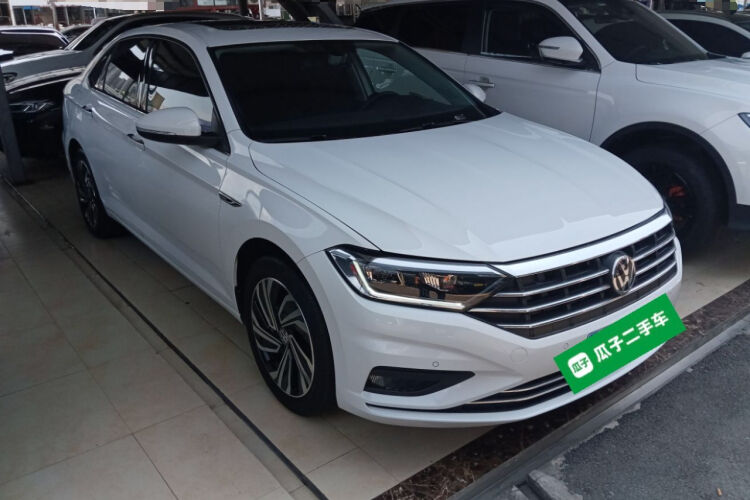
The decision between buying used cars and leasing new vehicles represents one of the most significant financial choices drivers face today. While leasing may seem attractive with lower monthly payments and the allure of driving the latest models, purchasing a pre-owned vehicle offers compelling advantages that can provide substantial long-term value and financial freedom.

When you buy used cars, you gain complete ownership and control over your transportation investment, avoiding the restrictive terms and ongoing obligations that come with lease agreements. This fundamental difference in ownership structure creates multiple financial and practical benefits that become increasingly valuable over time, making the purchase of pre-owned vehicles a smarter long-term strategy for most drivers.
Financial Ownership Benefits of Buying Used Cars
Building Equity Through Ownership
When you buy used cars, every payment you make contributes to building equity in an asset you own outright. Unlike leasing, where monthly payments essentially constitute rental fees with no ownership benefit, purchasing a used vehicle means you're investing in something tangible. This equity accumulates over time and provides financial flexibility, as you can sell the vehicle whenever market conditions are favorable or your circumstances change.
The equity-building aspect becomes particularly valuable when you buy used cars that retain their value well or experience slower depreciation rates. Many reliable used vehicles from reputable manufacturers maintain steady resale values, allowing owners to recover a significant portion of their initial investment when they decide to upgrade or change vehicles.
This ownership equity also serves as a financial safety net during unexpected circumstances. If you need access to cash quickly, you can sell your used vehicle or use it as collateral for loans, options that simply don't exist with leased vehicles where you have no ownership stake.
Lower Total Cost of Transportation
The total cost analysis heavily favors those who buy used cars over leasing options. While lease payments may appear lower on a monthly basis, the cumulative cost over multiple lease cycles typically exceeds the total expense of purchasing and maintaining a quality used vehicle. Leasing creates a perpetual payment cycle where you never escape monthly obligations, whereas buying used cars eventually leads to payment-free ownership.
Insurance costs also tend to be lower when you buy used cars, as the required coverage levels are typically less comprehensive than what leasing companies mandate. Used car owners can choose their insurance coverage levels based on their risk tolerance and financial situation, rather than meeting the stringent requirements that lease agreements impose.
Additionally, when you buy used cars, you can shop around for financing options and negotiate better interest rates, especially if you have good credit. Lease money factors are often less negotiable and may include hidden fees that inflate the true cost of the lease agreement beyond the advertised monthly payment.
Freedom and Flexibility Advantages
Unlimited Usage and Modification Rights
One of the most significant reasons to buy used cars instead of leasing is the complete freedom to use your vehicle without restrictions. Lease agreements typically include strict mileage limitations, often ranging from 10,000 to 15,000 miles per year, with substantial penalties for exceeding these limits. These restrictions can severely limit your driving flexibility and create anxiety about every trip you take.
When you buy used cars, you can drive as much as you want without worrying about mileage penalties. This freedom is particularly valuable for people with long commutes, those who enjoy road trips, or individuals whose work requires extensive travel. The ability to use your vehicle without constantly monitoring the odometer provides peace of mind and eliminates the stress associated with lease mileage restrictions.
Vehicle modification rights represent another crucial advantage when you buy used cars. Lease agreements typically prohibit any modifications or customizations, requiring the vehicle to be returned in its original condition. Used car ownership allows you to personalize your vehicle with accessories, performance upgrades, or practical modifications that suit your specific needs and preferences.
No Early Termination Penalties
Life circumstances can change unexpectedly, and when you buy used cars, you maintain the flexibility to adapt your transportation situation accordingly. Lease agreements often include substantial early termination penalties that can cost thousands of dollars if you need to exit the contract before the agreed term ends. These penalties can create financial hardship during already challenging life transitions.
Used car ownership eliminates these concerns entirely. If your financial situation changes, you need to relocate, or your transportation needs shift, you can sell your used vehicle at any time without penalty. This flexibility provides crucial financial security and allows you to make decisions based on your current circumstances rather than being locked into a restrictive lease agreement.
The ability to sell your vehicle also means you can take advantage of favorable market conditions. If used car values increase or if you find a buyer willing to pay a premium price, you can capitalize on these opportunities immediately rather than being committed to a lease term regardless of market conditions.
Long-Term Value and Depreciation Considerations
Avoiding New Car Depreciation
When you buy used cars, you avoid the steepest portion of the depreciation curve that affects new vehicles. New cars typically lose 20-30% of their value within the first year and up to 60% within the first five years. By purchasing a vehicle that's already several years old, you let the original owner absorb this initial depreciation hit while still acquiring a reliable vehicle with plenty of useful life remaining.
This depreciation advantage becomes particularly pronounced when you buy used cars that are two to four years old. These vehicles often retain most of their reliability and modern features while being available at significantly reduced prices compared to their original MSRP. The slower depreciation rate of these used vehicles means your ownership experience involves less financial loss over time.
Quality used cars from reliable manufacturers can provide years of dependable service while maintaining reasonable resale values. This combination allows you to enjoy the benefits of ownership while minimizing the total cost of transportation over the long term, something that's impossible to achieve through leasing arrangements.
Control Over Maintenance and Repairs
When you buy used cars, you gain complete control over maintenance decisions and repair choices. This control allows you to work with trusted mechanics, choose quality replacement parts, and make informed decisions about when and how to address vehicle maintenance needs. You can also decide whether to invest in preventive maintenance or address issues as they arise based on your budget and the vehicle's overall condition.
Lease agreements typically require all maintenance and repairs to be performed at authorized dealerships using original equipment parts, which can be significantly more expensive than independent repair options. Used car owners can shop around for competitive pricing on maintenance services and choose repair solutions that offer the best value for their specific situation.
The ability to make maintenance decisions also extends to cosmetic issues and minor wear items. When you buy used cars, you can decide whether to address paint scratches, interior wear, or other aesthetic issues based on your personal preferences and budget. Lease vehicles must be returned in near-perfect condition, often requiring expensive reconditioning work before lease return.
Market Advantages and Selection Benefits
Broader Vehicle Selection
The used car market offers dramatically more selection than new car leasing options. When you buy used cars, you can choose from vehicles spanning multiple model years, allowing you to find exactly the features, options, and price point that meet your specific needs. This expanded selection includes discontinued models, special editions, and configurations that may no longer be available in new car showrooms.
Used car shopping also allows you to prioritize different criteria than new car leasing. You might find a low-mileage, well-maintained vehicle from a previous model year that offers superior features or better build quality than current lease options within your budget. This flexibility to buy used cars from different model years provides opportunities to find exceptional value that leasing simply cannot match.
The geographic flexibility of used car shopping also expands your options significantly. You can buy used cars from dealers or private sellers across a wider area, potentially finding better deals or specific configurations that aren't available locally. This expanded market access increases your negotiating power and improves your chances of finding the ideal vehicle for your needs.
Negotiation Power and Pricing Flexibility
Used car transactions typically offer more room for negotiation than lease agreements, which often have fixed terms and limited flexibility. When you buy used cars, you can negotiate the purchase price, financing terms, trade-in values, and additional services or warranties. This negotiation flexibility can result in significant savings and better overall deal terms.
The competitive used car market also works in your favor when you buy used cars. Multiple dealerships, online platforms, and private sellers compete for your business, creating opportunities to comparison shop and leverage competing offers. This market competition drives better pricing and terms for buyers, advantages that are less available in the more structured leasing market.
Cash buyers enjoy even greater advantages when they buy used cars, as they can negotiate significant discounts for immediate payment and avoid financing charges entirely. This cash advantage is particularly powerful in private party transactions, where sellers often prefer quick, guaranteed sales over potentially complicated financing arrangements.
FAQ
Is buying a used car always cheaper than leasing?
While monthly payments for buying used cars may sometimes be higher than lease payments, the total cost of ownership is typically lower over time. When you buy used cars, you build equity and eventually own an asset, whereas leasing creates perpetual monthly payments with no ownership benefit. The long-term financial advantage generally favors used car purchases, especially when you consider insurance savings, unlimited mileage, and the absence of lease-end fees.
What are the main risks of buying used cars compared to leasing?
The primary risks when you buy used cars include potential repair costs and the responsibility for maintenance once any warranty expires. However, these risks can be mitigated through careful inspection, vehicle history research, and purchasing extended warranties if desired. Leasing transfers some of these risks to the leasing company but comes with its own risks, including mileage penalties, wear-and-tear charges, and early termination fees that can be equally costly.
How do I know if I should buy used cars instead of leasing?
You should buy used cars instead of leasing if you want to build equity, drive unlimited miles, keep vehicles for several years, or prefer complete ownership control. Leasing might only make sense if you want a new car every few years, drive less than 12,000 miles annually, and prefer predictable monthly payments. However, for most drivers, the financial and flexibility benefits of buying used cars outweigh the perceived advantages of leasing.
Can I get financing for used cars with bad credit?
Yes, financing options exist for buyers who want to buy used cars even with less-than-perfect credit. Used car financing is often more accessible than new car leasing for buyers with credit challenges. Many lenders specialize in used car loans, and the lower purchase prices of used vehicles make them more attainable for buyers with limited credit histories. Additionally, making payments on a used car loan can help improve your credit score over time, unlike lease payments which may not provide the same credit-building benefit.