
 EN
EN
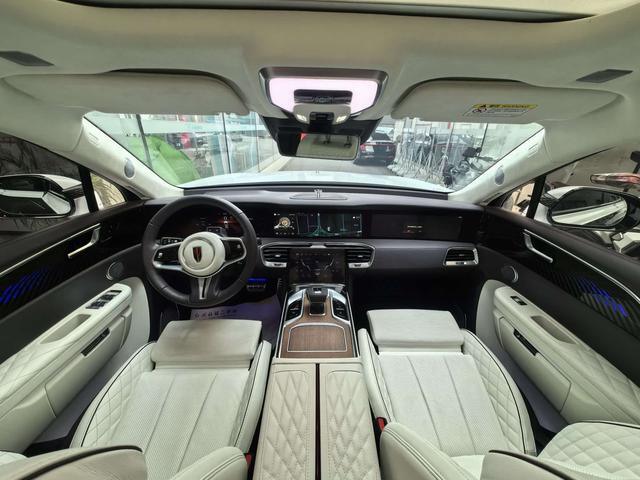
Selecting the best used cars for long-term value requires a strategic approach that balances initial cost, projected maintenance expenses, and anticipated resale value over the vehicle's lifespan. Unlike purchasing a new vehicle where depreciation follows predictable patterns, the used car market presents complex variables that demand careful evaluation. Buyers who understand the key indicators of lasting value can secure reliable transportation while minimizing total ownership costs across multiple years of service.
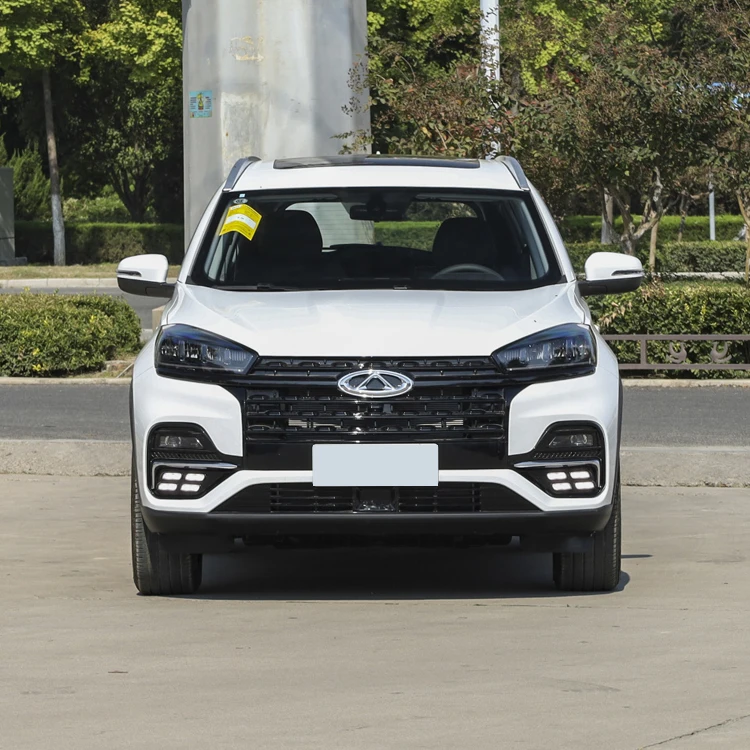
The methodology for identifying vehicles with exceptional long-term value extends beyond surface-level assessments of mileage and cosmetic condition. It encompasses systematic evaluation of mechanical integrity, ownership history, market positioning, and the specific attributes that enable certain models to retain functionality and worth far beyond industry averages. This comprehensive approach empowers buyers to distinguish between vehicles that merely appear affordable and those that deliver genuine economic advantage throughout extended ownership periods.
Understanding Total Cost of Ownership for Used Vehicles
Calculating Beyond Purchase Price
The best used cars distinguish themselves through favorable total cost of ownership rather than attractive initial pricing alone. This calculation incorporates depreciation trajectory, fuel efficiency, insurance premiums, registration fees, and projected maintenance requirements across the intended ownership duration. Vehicles from manufacturers with established reliability records typically command higher purchase prices but deliver substantial savings through reduced repair frequency and lower unexpected expenditure risk over multiple years of operation.
Depreciation patterns vary significantly across vehicle segments and model years. Most vehicles experience their steepest value decline during the first three years, with depreciation curves flattening considerably for units between four and eight years old. Identifying the best used cars means targeting this optimal age range where initial depreciation has already occurred but the vehicle retains substantial usable lifespan. Models known for maintaining higher resale percentages after five years typically indicate superior long-term value propositions.
Fuel efficiency directly impacts long-term ownership economics, particularly for drivers accumulating high annual mileage. A vehicle consuming two additional gallons per hundred miles compared to a more efficient alternative generates significant cumulative costs over five years of typical driving. When evaluating potential purchases, projecting fuel expenses based on realistic usage patterns reveals the true economic difference between seemingly comparable options in the used car marketplace.
Insurance and Registration Considerations
Insurance premiums for used vehicles depend on replacement cost, safety ratings, theft frequency, and repair expense factors. The best used cars often feature advanced safety systems that qualify for premium discounts while maintaining reasonable replacement values that prevent excessive coverage costs. Models with proven crash test performance and lower theft rates deliver ongoing savings that compound across the ownership period, making insurance costs a critical component of long-term value assessment.
Registration fees in many jurisdictions correlate with vehicle value, age, or weight specifications. Understanding local registration structures helps buyers identify vehicles positioned favorably within fee brackets. Some older vehicles cross thresholds that trigger substantially reduced annual registration costs, adding another dimension to the total ownership calculation. These regulatory considerations vary by region but consistently influence the complete financial picture of used vehicle ownership.
Mechanical Reliability Indicators and Inspection Protocols
Engine and Transmission Assessment
Engine and transmission condition represents the most significant factor in determining whether a used vehicle qualifies among the best used cars for extended service. Professional pre-purchase inspections should include compression testing, leak-down analysis, and transmission fluid condition evaluation. Engines showing consistent compression across cylinders and transmissions shifting smoothly without delay or harshness indicate proper maintenance history and remaining service capacity. Any evidence of fluid contamination, unusual wear patterns, or performance inconsistencies warrants either price adjustment or purchase reconsideration.
Transmission type significantly influences long-term durability expectations. Traditional automatic transmissions with proven track records across hundreds of thousands of miles offer predictable service lives when properly maintained. Continuously variable transmissions and dual-clutch systems require more nuanced evaluation, as reliability varies substantially by manufacturer and model year. Understanding the specific transmission technology and its historical performance helps buyers avoid units prone to premature failure while identifying those capable of delivering exceptional longevity.
Oil consumption patterns provide valuable insight into engine health and projected service life. Vehicles consuming more than one quart between standard oil change intervals may indicate worn piston rings, valve seals, or other internal components requiring costly future repair. The best used cars demonstrate minimal oil consumption even at higher mileage levels, suggesting proper break-in procedures, quality maintenance, and inherent engine durability that supports continued reliable operation.
Suspension and Chassis Integrity
Chassis and suspension condition directly affects both safety and long-term maintenance costs. Comprehensive inspections should identify worn ball joints, damaged bushings, compromised struts, and any structural damage from previous accidents or harsh operating conditions. Vehicles requiring extensive suspension work shortly after purchase eliminate anticipated cost advantages. The best used cars exhibit tight handling characteristics, minimal play in steering components, and suspension systems requiring only routine maintenance rather than comprehensive overhaul.
Frame and unibody integrity assessment requires careful inspection for signs of previous collision damage, improper repair work, or corrosion that compromises structural strength. Paint thickness measurements across body panels reveal prior bodywork, while alignment of panel gaps indicates whether the vehicle has experienced significant impact. Any evidence of frame straightening or major structural repair should trigger serious reconsideration, as these issues affect safety, handling, and long-term durability regardless of cosmetic appearance.
Service History Documentation and Ownership Patterns
Maintenance Record Analysis
Complete maintenance documentation separates the best used cars from those with uncertain service histories and corresponding reliability concerns. Comprehensive records demonstrating regular oil changes, scheduled maintenance completion, and proactive component replacement indicate owner commitment to vehicle longevity. Receipts from reputable service facilities provide verification of work quality and appropriate part usage, while gaps in documentation raise questions about deferred maintenance that may manifest as expensive failures after purchase.
Timing belt replacement verification holds particular importance for vehicles using interference engines where belt failure causes catastrophic internal damage. Many manufacturers specify timing belt service between sixty and one hundred thousand miles. Vehicles approaching or exceeding these intervals without documented replacement require immediate service to prevent potentially destroying an otherwise sound engine. Factoring timing belt replacement costs into purchase negotiations ensures realistic total acquisition expense calculations.
Brake system service history indicates both maintenance diligence and driving pattern characteristics. Vehicles requiring frequent brake replacement may have experienced aggressive driving or mountainous terrain operation that accelerates overall wear. Conversely, appropriately spaced brake service suggests moderate use patterns that generally correlate with extended component life throughout the vehicle. These maintenance patterns help buyers understand actual vehicle usage beyond reported mileage figures.
Ownership History and Usage Context
Single-owner vehicles with consistent maintenance records typically represent safer purchases than those changing hands frequently. Multiple owners within short timeframes may indicate persistent problems that motivated repeated sales. Understanding previous ownership context reveals whether vehicles served as primary transportation receiving regular attention or secondary units experiencing sporadic use and corresponding maintenance neglect. This ownership analysis contributes significantly to identifying the best used cars for sustained value delivery.
Commercial versus private use history dramatically affects vehicle condition expectations. Former fleet vehicles, rental cars, or commercial service units often experience harder use patterns despite potentially excellent maintenance records. However, well-maintained fleet vehicles from reputable organizations sometimes offer exceptional value due to systematic service schedules and predictable replacement cycles. Evaluating the specific commercial application helps determine whether fleet history represents an advantage or concern for particular units.
Model-Specific Reliability Research and Common Issues
Researching Known Problems and Solutions
Thorough research into model-specific common problems prevents purchasing vehicles with expensive inherent defects. Many models develop patterns of component failure affecting specific production years. Understanding these issues before purchase allows buyers to verify whether affected components have received corrective service or remain potential future expenses. The best used cars often come from manufacturers that addressed known issues through recalls, extended warranties, or improved replacement parts that eliminate original problems.
Online owner communities, technical service bulletins, and reliability databases provide valuable information about model-specific concerns across different production years. Certain vehicles may have resolved problematic components mid-production-run, making later examples significantly more reliable than earlier units. This granular knowledge helps buyers identify the specific model years and configurations offering optimal long-term value within broader vehicle lines that show mixed reliability records.
Common problem patterns include transmission failures, engine oil consumption, electrical system malfunctions, and premature component wear in suspension or cooling systems. Vehicles demonstrating isolated issues affecting limited production runs present acceptable risk when problems have received correction. However, models with persistent problems across multiple years and unchanged design typically fail to qualify as the best used cars regardless of attractive pricing or appealing features.
Parts Availability and Repair Cost Considerations
Long-term value depends significantly on parts availability and associated repair costs when maintenance becomes necessary. Popular models with high production volumes benefit from competitive aftermarket parts supply that reduces routine maintenance expenses. Conversely, limited-production vehicles or those from manufacturers with reduced market presence may face parts scarcity that inflates repair costs and extends vehicle downtime when service becomes necessary.
Labor time requirements for common repairs vary substantially across different vehicle designs. Some manufacturers engineer vehicles for straightforward maintenance access, while others require extensive disassembly for routine component replacement. These design differences translate directly into service costs that accumulate across years of ownership. Researching typical repair procedures for frequent maintenance items reveals whether specific models will impose premium labor charges that diminish their long-term value proposition.
Market Positioning and Resale Value Retention
Understanding Depreciation Curves
The best used cars for long-term value often come from segments with relatively flat depreciation curves after initial steep decline. Certain vehicle categories maintain stronger residual values due to sustained demand, proven durability, or limited competitive alternatives. Understanding these market dynamics helps buyers select vehicles that will retain reasonable resale value when eventual replacement becomes desirable, effectively reducing true ownership cost through preserved equity.
Luxury vehicles typically experience more dramatic depreciation than mainstream models, creating opportunities for value-focused buyers willing to accept higher maintenance costs in exchange for premium features at accessible prices. However, this equation only works when repair and maintenance expenses remain reasonable relative to vehicle capabilities. Luxury models with notorious reliability problems or expensive routine service requirements fail to deliver genuine long-term value despite attractive initial pricing.
Market supply and demand fundamentals influence specific model depreciation independent of inherent quality. Vehicles oversupplied relative to market demand experience accelerated value decline, while those in constrained supply maintain stronger pricing. These market forces affect purchase timing strategy, as buying during periods of temporary oversupply can secure the best used cars at advantageous prices with subsequent value stabilization supporting favorable ownership economics.
Special Edition and Configuration Considerations
Base model vehicles without extensive option packages often provide superior long-term value through reduced initial cost, lower insurance premiums, and decreased complexity that minimizes potential failure points. While well-equipped vehicles offer enhanced comfort and convenience, these features contribute relatively little to core transportation capability while increasing purchase price and maintenance complexity. Strategic option selection balances desired amenities against total cost implications across anticipated ownership duration.
Limited production special editions occasionally command premium pricing without delivering corresponding utility or reliability advantages. Unless specific equipment or performance characteristics directly serve ownership objectives, these variants typically fail to justify their cost premium from a pure value perspective. The best used cars generally emphasize proven mechanical specifications and practical equipment levels rather than appearance packages or marketing-driven special editions.
FAQ
What mileage range offers the best balance between price and remaining vehicle life?
Vehicles with fifty thousand to eighty thousand miles typically present optimal value, having completed initial depreciation while retaining substantial usable lifespan. Models from reliable manufacturers with proper maintenance can easily provide another hundred thousand miles of service from this range. Higher mileage vehicles may offer lower purchase prices but require more frequent maintenance and present greater risk of unexpected repairs. Lower mileage examples command premium pricing that may not justify the additional cost relative to slightly higher mileage alternatives in excellent condition.
How important is vehicle history report information when evaluating used cars?
Comprehensive vehicle history reports provide essential information about accident history, ownership patterns, title status, and reported maintenance. These reports help identify the best used cars by revealing potential problems before purchase commitment. However, history reports have limitations and may not capture all incidents or maintenance activities. Professional mechanical inspection remains necessary regardless of clean history reports, as these documents provide incomplete pictures of actual vehicle condition and cannot predict future reliability based solely on past reporting.
Should buyers prioritize vehicles still covered under original manufacturer warranties?
Remaining factory warranty coverage provides valuable protection against unexpected repair costs during initial ownership periods. This coverage particularly benefits buyers of vehicles from manufacturers offering longer warranty terms that transfer to subsequent owners. However, warranty coverage should not override fundamental mechanical condition and reliability considerations. The best used cars combine sound mechanical health with whatever warranty protection remains available. Extended warranty purchases require careful evaluation of coverage terms, exclusions, and actual likelihood of claims approval before determining their value proposition.
How does vehicle color affect long-term value and resale potential?
Neutral colors including white, black, silver, and gray maintain broader market appeal and typically support stronger resale values than unusual or highly personalized color choices. While color preference remains subjective, selecting vehicles in popular colors expands the potential buyer pool when eventual resale occurs. However, color considerations should not outweigh mechanical condition, maintenance history, or model reliability when identifying the best used cars for sustained value. A well-maintained vehicle in a less common color still delivers better long-term value than a poorly maintained example in a popular shade.
Table of Contents
- Understanding Total Cost of Ownership for Used Vehicles
- Mechanical Reliability Indicators and Inspection Protocols
- Service History Documentation and Ownership Patterns
- Model-Specific Reliability Research and Common Issues
- Market Positioning and Resale Value Retention
-
FAQ
- What mileage range offers the best balance between price and remaining vehicle life?
- How important is vehicle history report information when evaluating used cars?
- Should buyers prioritize vehicles still covered under original manufacturer warranties?
- How does vehicle color affect long-term value and resale potential?