
 EN
EN
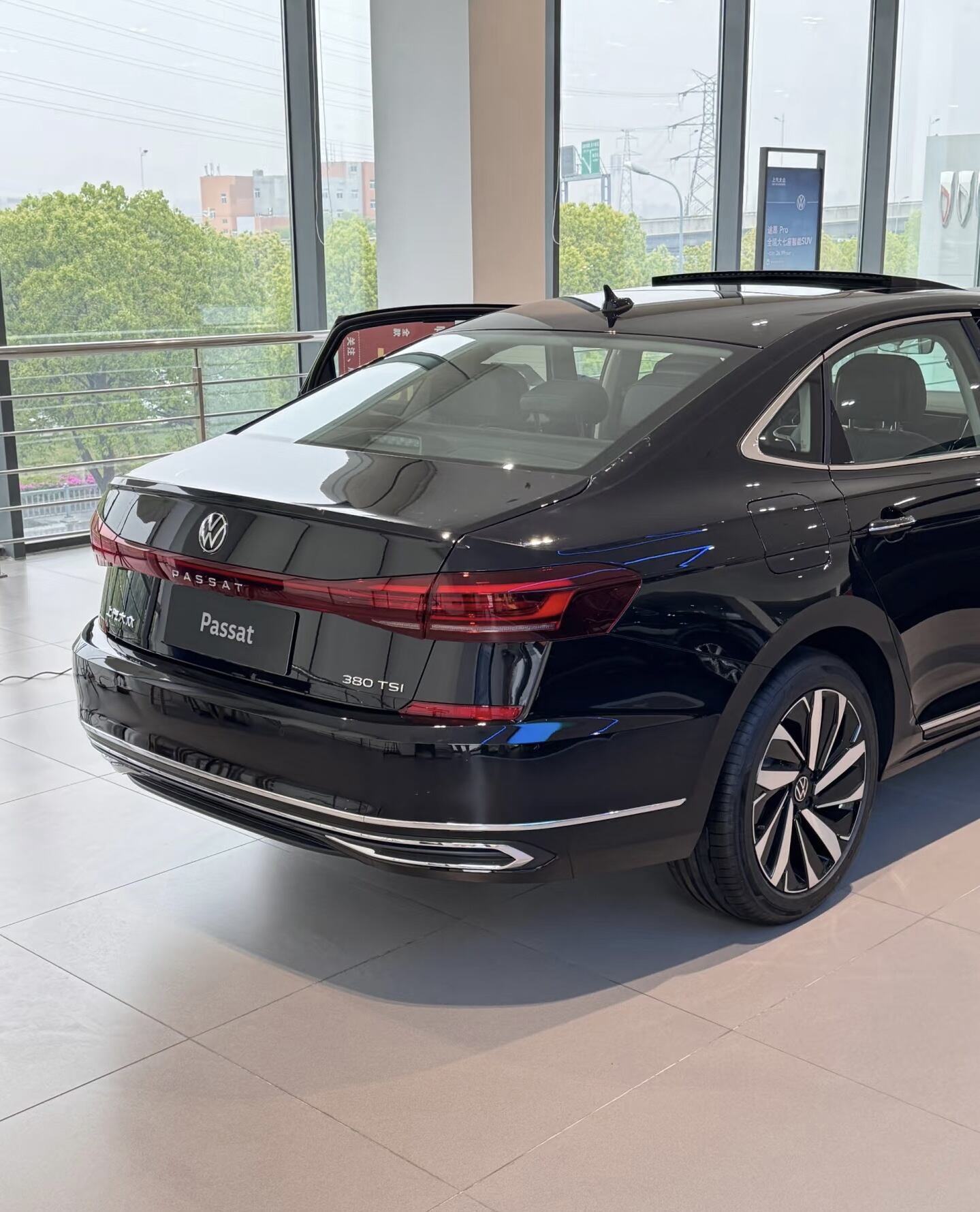
The decision between buying and leasing new cars represents one of the most significant financial choices consumers face in vehicle ownership. While leasing has gained popularity for its lower monthly payments and reduced upfront costs, there are specific circumstances and financial situations where purchasing new cars outright becomes the more advantageous long-term strategy. Understanding when buying makes more financial sense than leasing requires careful evaluation of your driving habits, financial goals, and ownership preferences.
The timing of this decision depends on multiple factors including your annual mileage, desired level of vehicle customization, long-term financial planning, and risk tolerance. Buyers who choose new cars over leasing typically fall into specific categories with particular needs and circumstances that make ownership more beneficial than temporary possession. Recognizing these scenarios helps determine whether the higher upfront investment in new cars aligns with your personal and financial objectives.
Financial Circumstances That Favor Buying New Cars
Long-Term Cost Analysis
When evaluating the total cost of ownership over multiple years, buying new cars often proves more economical for consumers who plan to keep their vehicles for extended periods. The break-even point typically occurs around the four to five-year mark, where the cumulative lease payments would equal or exceed the depreciated value of owned new cars. This calculation becomes particularly relevant for buyers who maintain vehicles well beyond the typical lease term of two to three years.
Financial advisors recommend purchasing new cars when you have sufficient cash flow to handle the higher monthly payments without straining your budget. Unlike leasing, where you build no equity, buying new cars creates an asset that retains residual value even after years of use. This equity can later serve as a down payment for your next vehicle or provide emergency financial flexibility through refinancing options.
The tax implications also differ significantly between buying and leasing new cars. While lease payments may offer certain tax deductions for business use, owning new cars provides depreciation benefits and potential tax advantages that can reduce the effective cost of ownership over time.
Cash Flow Stability
Buyers with stable, long-term income streams often find purchasing new cars more aligned with their financial planning strategies. When you can afford the higher monthly payments associated with financing new cars, you eliminate the perpetual payment cycle that comes with continuous leasing. This approach particularly benefits individuals approaching retirement who want to eliminate monthly car payments entirely.
Having sufficient emergency funds beyond the down payment requirement makes buying new cars less risky from a cash flow perspective. Financial experts suggest maintaining three to six months of expenses in reserve even after purchasing new cars, ensuring that the investment doesn't compromise your overall financial security.
Usage Patterns That Support New Car Ownership
High Mileage Driving
Consumers who drive more than 12,000 to 15,000 miles annually should strongly consider buying new cars instead of leasing. Lease agreements typically include mileage restrictions with substantial penalties for exceeding the agreed-upon limits, often ranging from $0.15 to $0.30 per mile. For high-mileage drivers, these excess fees can quickly eliminate any financial advantages that leasing new cars might initially offer.
Professional drivers, sales representatives, and individuals with long commutes find that owning new cars provides unlimited mileage freedom without the stress of tracking odometer readings or planning trips around lease restrictions. The ability to drive new cars without mileage anxiety allows for more flexible lifestyle choices and career opportunities that might require extensive travel.
When calculating the true cost of leasing for high-mileage situations, the combination of monthly payments and mileage overage fees often exceeds the depreciation costs associated with owning new cars with similar usage patterns.
Customization and Modification Needs
Vehicle enthusiasts and individuals with specific accessibility requirements benefit significantly from buying new cars rather than leasing. Lease agreements typically prohibit modifications and require the vehicle to be returned in original condition, limiting personal expression and practical adaptations. Owners of new cars enjoy complete freedom to install aftermarket accessories, performance upgrades, or mobility equipment without violating contract terms.
Professional tradespeople who need specialized equipment installations, such as tool storage systems or communication devices, find that owning new cars eliminates restrictions and potential restoration costs. The ability to customize new cars for specific business needs can improve efficiency and productivity in ways that leased vehicles cannot accommodate.
Lifestyle Factors That Make Buying Preferable
Vehicle Attachment and Familiarity
Some consumers develop strong emotional connections to their vehicles and prefer the security of long-term ownership. Buying new cars allows you to become thoroughly familiar with every aspect of your vehicle's operation, maintenance history, and performance characteristics. This intimate knowledge can improve safety, reduce anxiety about unexpected issues, and create a more comfortable driving experience over time.
The psychological benefits of owning new cars include pride of ownership, freedom from return conditions, and the security of having a reliable transportation asset. These intangible factors can significantly impact quality of life for individuals who view their vehicle as more than just transportation.
Families with children often appreciate the stability that comes with owning new cars, avoiding the disruption of changing vehicles every few years and maintaining consistent safety features and storage configurations that work well for their specific needs.
Maintenance Control and Warranty Management
Ownership of new cars provides complete control over maintenance scheduling, service provider selection, and repair quality standards. While leased vehicles must be maintained according to manufacturer specifications at approved facilities, owned new cars offer flexibility in choosing service providers based on cost, convenience, or specialized expertise.
The ability to extend warranties on new cars through third-party providers gives owners additional protection options beyond what leasing typically offers. This flexibility becomes particularly valuable for consumers who plan to keep their new cars well beyond the standard manufacturer warranty period.
Market Conditions and Timing Considerations
Interest Rate Environment
Low interest rate periods make buying new cars more attractive by reducing the total cost of financing. When automotive loans offer competitive rates, the monthly payment difference between buying and leasing new cars narrows significantly, making ownership more accessible while building equity. Market timing can substantially impact the long-term financial outcome of your decision.
Promotional financing offers, such as zero percent APR deals, can make buying new cars exceptionally cost-effective compared to leasing alternatives. These manufacturer incentives periodically shift the economic balance heavily in favor of purchasing, particularly for buyers with excellent credit scores who qualify for the best rates.
Residual Value Predictions
When industry analysts predict strong residual values for specific models or vehicle categories, buying new cars becomes more attractive as the depreciation risk decreases. Vehicles with historically strong resale values, excellent reliability ratings, or limited production runs often retain value better than the residual values used in lease calculations.
Understanding market trends for different types of new cars helps identify opportunities where ownership provides better value than leasing. Hybrid vehicles, certain luxury brands, and models with strong brand loyalty often depreciate more slowly than lease companies anticipate, benefiting buyers over lessees.
FAQ
How much should I drive annually before buying new cars makes more sense than leasing?
Generally, if you drive more than 12,000 miles per year, buying new cars becomes more cost-effective than leasing due to mileage restriction penalties. High-mileage drivers who exceed 15,000 annual miles almost always save money by purchasing rather than leasing, as excess mileage fees can add thousands of dollars to lease costs.
What credit score do I need to get favorable financing when buying new cars?
Most lenders offer their best interest rates on new cars to buyers with credit scores above 720, though financing is available for scores as low as 580. A higher credit score significantly reduces the total cost of buying new cars through lower interest rates, sometimes making purchase payments competitive with lease payments while building equity.
Should I consider buying new cars if I like having the latest technology and features?
If you prefer driving vehicles with the newest technology every few years, leasing might seem more appealing. However, buying new cars with advanced features that remain relevant for many years can provide better long-term value, especially if you choose models known for over-the-air updates and long-term manufacturer support.
When does it make financial sense to pay cash for new cars instead of financing?
Paying cash for new cars makes sense when you have sufficient liquid assets remaining after the purchase, when interest rates exceed your potential investment returns, or when you want to eliminate monthly payments entirely. However, if manufacturers offer very low promotional financing rates, it may be better to finance new cars and invest your cash elsewhere for potentially higher returns.
Table of Contents
- Financial Circumstances That Favor Buying New Cars
- Usage Patterns That Support New Car Ownership
- Lifestyle Factors That Make Buying Preferable
- Market Conditions and Timing Considerations
-
FAQ
- How much should I drive annually before buying new cars makes more sense than leasing?
- What credit score do I need to get favorable financing when buying new cars?
- Should I consider buying new cars if I like having the latest technology and features?
- When does it make financial sense to pay cash for new cars instead of financing?