
 EN
EN

Identifying the best used cars for families requires a strategic approach that balances safety, reliability, space, and budget considerations. Family vehicle selection goes beyond simple price comparisons and demands careful evaluation of features that directly impact daily family life, from school runs to weekend adventures. The process involves analyzing safety ratings, maintenance costs, seating capacity, cargo space, and long-term reliability to ensure your chosen vehicle serves your family's evolving needs effectively.
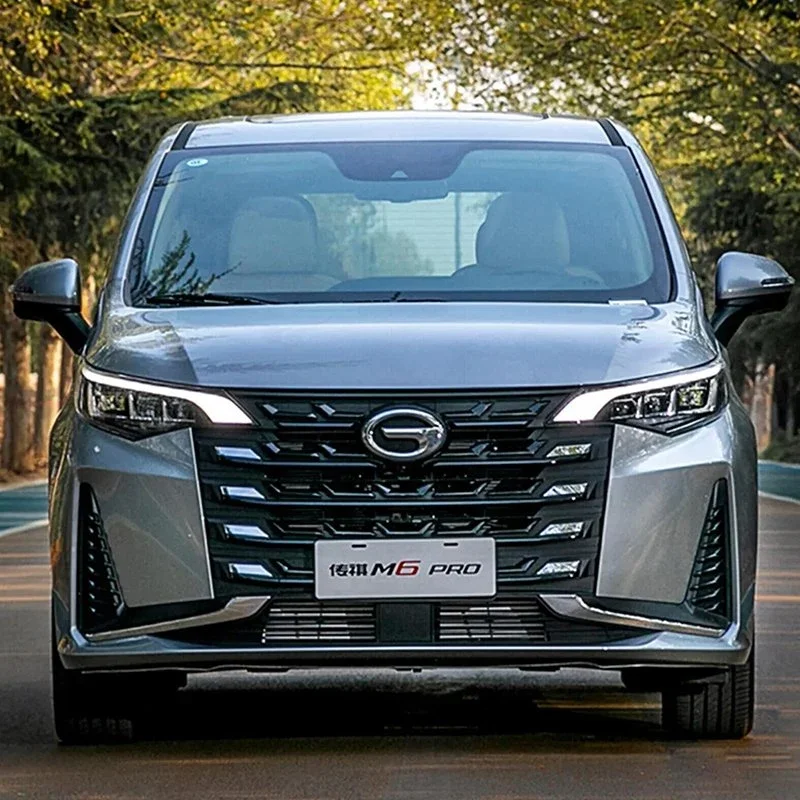
The challenge of finding the best used cars lies in navigating the vast pre-owned market while avoiding common pitfalls that could lead to expensive repairs or safety compromises. Smart family car buyers understand that the lowest price doesn't always translate to the best value, and thorough research becomes essential for making informed decisions that protect both family finances and well-being.
Essential Safety Features to Prioritize
Crash Test Ratings and Safety Standards
When evaluating the best used cars for families, safety ratings from organizations like the National Highway Traffic Safety Administration and the Insurance Institute for Highway Safety provide crucial insights into vehicle protection capabilities. These ratings reflect real-world crash scenarios and help families understand how well specific models perform in various collision types. Five-star safety ratings indicate superior protection for occupants, making them essential criteria in your selection process.
Modern safety standards have evolved significantly over the past decade, meaning newer used vehicles often incorporate advanced safety technologies that weren't available in older models. Electronic stability control, multiple airbag systems, and reinforced cabin structures represent fundamental safety improvements that directly impact family protection during accidents.
Advanced Safety Technology Systems
The best used cars for families increasingly include advanced driver assistance systems that actively prevent accidents rather than simply protecting occupants during collisions. Features like automatic emergency braking, blind spot monitoring, and lane departure warning systems significantly reduce the likelihood of accidents occurring in the first place.
Forward collision warning and automatic emergency braking systems have proven particularly valuable for family vehicles, especially when dealing with sudden stops in school zones or unexpected obstacles during family trips. These technologies compensate for driver distraction or fatigue, providing an additional layer of protection when transporting precious cargo.
Space and Practicality Requirements
Seating Capacity and Configuration Options
Family vehicle needs vary dramatically based on household size, extended family considerations, and transportation requirements for children's activities. The best used cars for growing families often feature flexible seating arrangements that accommodate changing needs over time, whether that means occasional extra passengers or increased cargo space for sports equipment and luggage.
Three-row SUVs and minivans provide maximum seating capacity but may sacrifice fuel economy and maneuverability in urban environments. Mid-size sedans and compact SUVs offer balanced solutions for smaller families, providing adequate space while maintaining reasonable operating costs and parking convenience in crowded areas.
Cargo Space and Storage Solutions
Practical storage solutions extend beyond basic cargo volume measurements and encompass real-world usability factors like loading height, seat folding mechanisms, and interior storage compartments. The best used cars incorporate thoughtful design elements that make family life more convenient, such as low lift-over heights for heavy groceries and multiple cup holders for various family members.
Effective cargo management becomes particularly important for families with active lifestyles requiring transportation of sports equipment, strollers, camping gear, or school projects. Vehicles with flexible cargo area configurations allow families to adapt their transportation space based on specific trip requirements without compromising passenger comfort.
Reliability and Maintenance Considerations
Long-term Reliability Records
Researching long-term reliability data helps families identify the best used cars that will provide dependable service throughout their ownership period. Reliability encompasses various factors including mechanical durability, electrical system stability, and the availability of replacement parts at reasonable costs. Vehicles with strong reliability records reduce unexpected repair expenses and minimize inconvenient breakdowns that disrupt family schedules.
Consumer reports and automotive reliability studies provide valuable insights into which models maintain their performance over time and which ones develop recurring issues that create ongoing ownership challenges. Understanding common problems associated with specific model years helps buyers avoid problematic vehicles and focus on proven performers in the used car market.
Maintenance Cost Analysis
The total cost of ownership for the best used cars extends far beyond the initial purchase price and includes routine maintenance, repairs, insurance premiums, and fuel consumption over the ownership period. Some vehicles may appear attractively priced initially but generate higher ongoing expenses through premium fuel requirements, expensive replacement parts, or frequent service intervals.
Researching typical maintenance schedules and associated costs helps families budget appropriately for vehicle ownership and avoid financial surprises. Vehicles with widely available parts and established service networks typically offer lower maintenance costs and more convenient service options, particularly important for busy families who cannot afford extended vehicle downtime.
Budget Optimization and Value Assessment
Purchase Price vs. Total Cost of Ownership
Smart families recognize that identifying the best used cars requires analyzing total cost of ownership rather than focusing solely on purchase price. This comprehensive approach includes depreciation rates, insurance costs, fuel expenses, maintenance requirements, and expected repair costs throughout the anticipated ownership period. Vehicles with higher initial prices may actually provide better value through lower operating costs and stronger resale values.
Financing considerations also impact the overall cost equation, as different vehicles may qualify for varying loan terms and interest rates based on age, mileage, and perceived reliability. Understanding these financial factors helps families make informed decisions that align with their budget constraints while maximizing transportation value.
Resale Value and Depreciation Patterns
The best used cars for families often maintain stronger resale values, which reduces the financial impact of eventual vehicle replacement. Vehicles with established reputations for reliability, safety, and practicality typically experience slower depreciation rates and attract more buyers in the secondary market. This characteristic becomes particularly valuable for families who may need to upgrade or downsize their vehicles as circumstances change.
Market demand patterns influence resale values significantly, with certain vehicle types experiencing stronger demand based on current consumer preferences, fuel prices, and economic conditions. Understanding these trends helps families select vehicles that will retain more of their value over time, reducing the overall cost of family transportation.
Inspection and Purchase Process
Professional Vehicle Inspection
Professional inspections provide crucial insights into the actual condition of the best used cars under consideration, revealing potential issues that may not be apparent during casual examination. Qualified technicians can identify mechanical problems, safety concerns, and maintenance needs that significantly impact vehicle value and family safety. This investment in professional assessment often prevents expensive surprises and ensures informed purchasing decisions.
Comprehensive inspections should cover engine performance, transmission operation, brake systems, suspension components, electrical systems, and safety features. Documentation of identified issues provides negotiating leverage and helps families understand upcoming maintenance requirements that should factor into their purchasing decisions.
Documentation and History Verification
Verifying vehicle history through official records helps families avoid the best used cars with hidden problems such as accident damage, flood exposure, or odometer fraud. Service records demonstrate maintenance consistency and reveal patterns that indicate careful ownership or potential neglect. Clean titles and consistent ownership history typically indicate lower risk purchases that will provide reliable family transportation.
Understanding warranty coverage, recall status, and available manufacturer support helps families make informed decisions about ongoing ownership responsibilities. Some used vehicles may still qualify for remaining manufacturer warranties or extended coverage options that provide additional protection for family investments.
FAQ
What mileage should I target when looking for the best used cars for families?
Generally, the best used cars for families fall within the 30,000 to 80,000 mile range, offering a balance between depreciation savings and remaining vehicle life. However, maintenance history and vehicle age matter more than mileage alone, as a well-maintained higher-mileage vehicle may provide better value than a neglected low-mileage car. Consider the specific model's expected lifespan and factor in your family's anticipated annual driving needs when evaluating mileage appropriateness.
How important is fuel efficiency when choosing family vehicles?
Fuel efficiency significantly impacts the total cost of ownership for family vehicles, especially with rising fuel prices and high annual mileage typical of family transportation needs. The best used cars balance fuel efficiency with necessary space and safety features, recognizing that extremely fuel-efficient vehicles may sacrifice practicality. Calculate potential annual fuel savings when comparing vehicles with different efficiency ratings to determine the optimal balance for your family's budget and driving patterns.
Should I prioritize newer used cars or focus on specific reliable models regardless of age?
The best used cars for families combine proven reliability with reasonable age to ensure access to modern safety features and remaining vehicle life. Generally, vehicles between 2 to 5 years old provide optimal balance between depreciation savings and modern features, though exceptional reliability records may justify considering older models of particularly dependable nameplates. Prioritize safety technology and reliability over pure newness when making your final decision.
What financing options work best for purchasing used family vehicles?
The best used cars financing typically involves securing pre-approved loans from banks or credit unions before shopping, providing clear budget parameters and negotiating advantages. Compare interest rates from multiple lenders, as rates vary significantly based on vehicle age, loan terms, and borrower qualifications. Consider certified pre-owned programs that may offer manufacturer-backed financing incentives and extended warranty coverage, though ensure these benefits justify any premium pricing involved.
Table of Contents
- Essential Safety Features to Prioritize
- Space and Practicality Requirements
- Reliability and Maintenance Considerations
- Budget Optimization and Value Assessment
- Inspection and Purchase Process
-
FAQ
- What mileage should I target when looking for the best used cars for families?
- How important is fuel efficiency when choosing family vehicles?
- Should I prioritize newer used cars or focus on specific reliable models regardless of age?
- What financing options work best for purchasing used family vehicles?