
 EN
EN
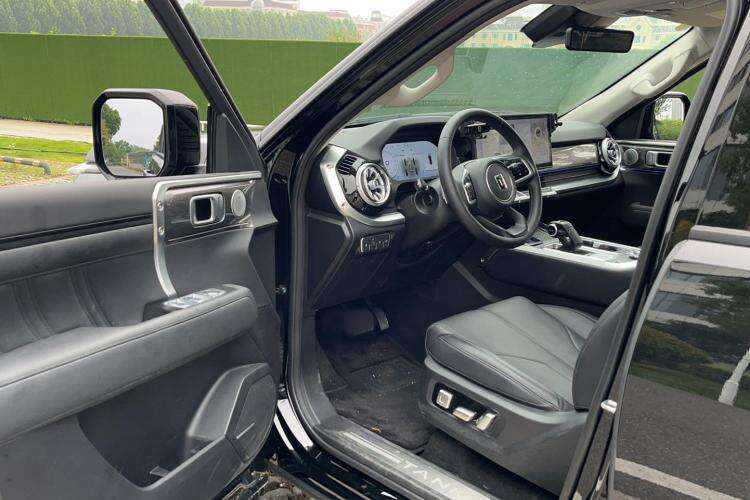
The automotive market in 2026 presents unique opportunities for savvy buyers seeking value and reliability in pre-owned vehicles. With technological advancements, improved manufacturing quality, and evolving consumer preferences, identifying the best used cars requires understanding specific criteria that separate exceptional purchases from costly mistakes. Modern used car buyers face an increasingly complex landscape where traditional depreciation patterns intersect with new factors like electric vehicle adoption, supply chain impacts, and changing mobility trends.
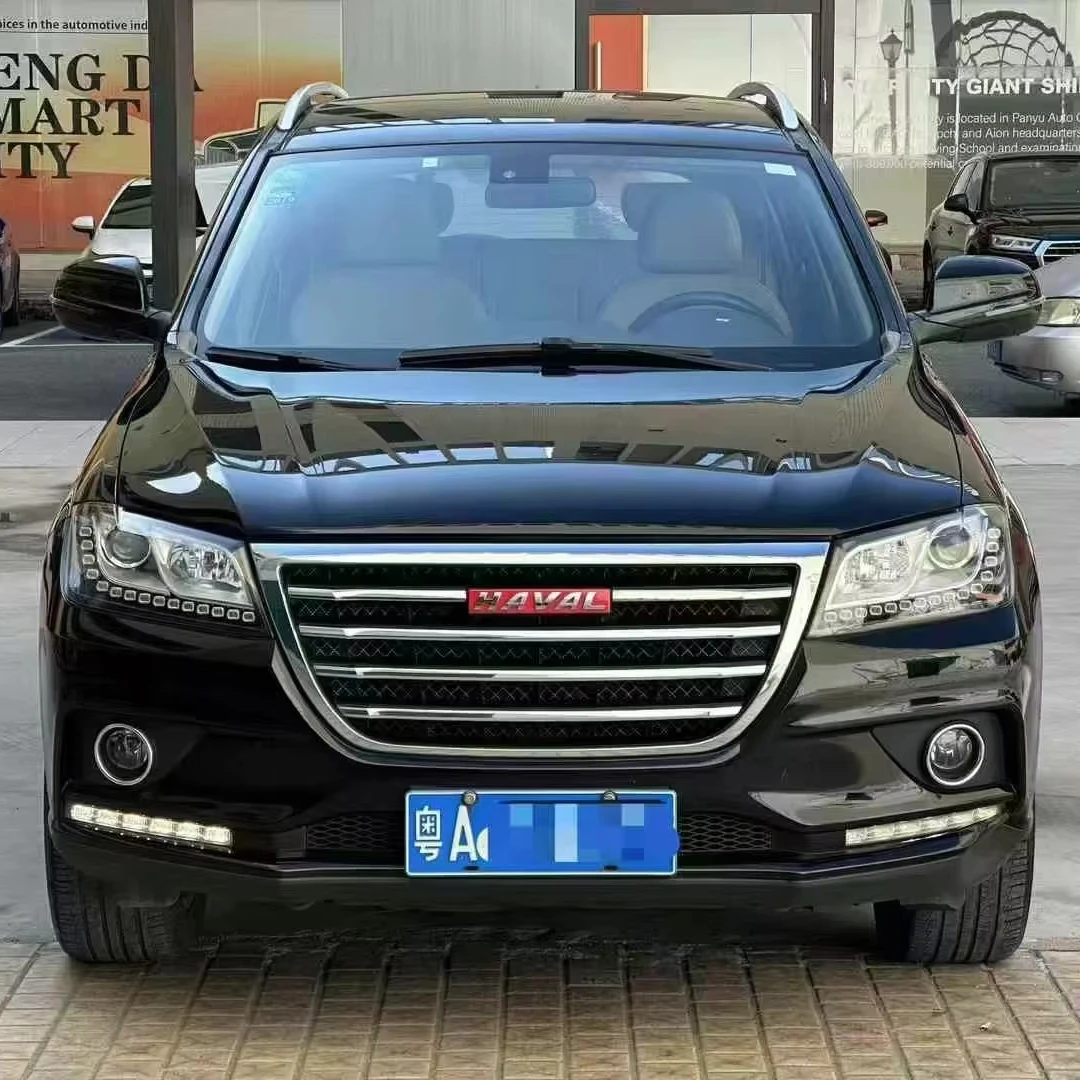
The definition of worthwhile used car purchases in 2026 extends beyond simple affordability to encompass long-term value retention, maintenance predictability, and alignment with future automotive trends. Smart buyers recognize that the best used cars combine proven reliability records with features that remain relevant as transportation evolves. This comprehensive evaluation framework helps distinguish vehicles that deliver genuine value from those that appear attractive but carry hidden risks or limited future utility.
Core Value Indicators That Define Premium Used Vehicles
Reliability Track Records and Longevity Metrics
The foundation of any worthwhile used car purchase lies in documented reliability performance across multiple model years. The best used cars demonstrate consistent mechanical dependability through industry reliability ratings, owner satisfaction surveys, and real-world longevity data. These vehicles typically exhibit lower-than-average repair frequencies, predictable maintenance schedules, and proven component durability that translates into reduced total ownership costs.
Exceptional pre-owned vehicles often come from manufacturers with established quality control systems and comprehensive warranty programs that extend protection beyond initial ownership periods. The most valuable used cars maintain their mechanical integrity well beyond industry averages, with many examples reaching high mileage milestones while retaining acceptable performance standards. This reliability foundation becomes particularly crucial as vehicles age and approach periods where major component replacements might become necessary.
Technology Integration and Future Compatibility
Modern used car value increasingly depends on technology features that remain current and functional as automotive systems evolve. The best used cars incorporate technology platforms that receive ongoing software updates, maintain connectivity with current mobile devices, and support emerging safety standards. These vehicles often feature modular technology architectures that allow for upgrades or replacements without requiring complete system overhauls.
Forward-thinking used car buyers recognize that technology obsolescence can significantly impact long-term value and usability. Vehicles with proprietary systems that cannot interface with current technology standards may become increasingly difficult to service or integrate with modern infrastructure. The most desirable used cars balance advanced features with proven technology platforms that demonstrate ongoing manufacturer support and third-party compatibility.
Market Positioning and Depreciation Optimization
Strategic Depreciation Timing Advantages
Understanding depreciation curves allows buyers to identify the best used cars at optimal value points where initial depreciation has stabilized but significant useful life remains. Premium used vehicles often represent sweet spots in depreciation cycles where luxury features, advanced safety systems, and performance capabilities become accessible at substantially reduced prices compared to new equivalents.
The most strategic used car purchases occur when vehicles have absorbed the steepest portion of their depreciation while retaining most of their functional value and remaining useful life. These timing advantages become particularly pronounced with vehicles that were initially expensive but maintain their core value propositions as they age. Buyers who understand these depreciation patterns can access premium vehicle segments that would otherwise exceed their budget constraints when purchased new.
Supply and Demand Dynamics Impact
Market forces significantly influence which vehicles qualify as the best used cars at any given time. Supply constraints, production changes, and shifting consumer preferences create opportunities for informed buyers to identify undervalued vehicles that offer exceptional utility relative to their market prices. These dynamics often favor vehicles from discontinued model lines or those with features that have become standard across the industry.
Economic factors and industry trends can temporarily suppress demand for certain vehicle categories, creating opportunities for buyers to acquire high-quality vehicles at below-market prices. The most successful used car purchases often involve vehicles that face temporary market headwinds but maintain strong fundamental value propositions. Understanding these market dynamics helps buyers identify timing opportunities that maximize value acquisition.
Quality Assessment Criteria for Exceptional Pre-Owned Vehicles
Maintenance History Documentation Standards
Comprehensive maintenance records distinguish the best used cars from vehicles with uncertain service histories. Exceptional pre-owned vehicles typically include detailed documentation of routine maintenance, repairs, and component replacements that demonstrate consistent care throughout their operational lives. These records provide insight into how well vehicles have been maintained and help predict future maintenance requirements and costs.
Professional maintenance facilities and authorized service providers often maintain detailed service records that become valuable assets when vehicles enter the used car market. The most desirable used cars come with complete maintenance histories that include timing belt replacements, fluid changes, brake service, and other critical maintenance items performed according to manufacturer specifications. This documentation provides buyers with confidence in vehicle condition and helps establish realistic expectations for ongoing maintenance costs.
Physical Condition and Wear Assessment
Visual and mechanical inspection reveals critical information about vehicle condition that impacts long-term value and reliability. The best used cars exhibit consistent care in both mechanical and cosmetic maintenance, with wear patterns that reflect normal usage rather than abuse or neglect. Professional inspections can identify potential issues that might not be immediately apparent but could impact future ownership costs or safety.
Exceptional used vehicles often show evidence of preventive maintenance and proactive care that extends beyond minimum requirements. These vehicles typically feature original or high-quality replacement components, properly functioning safety systems, and interior and exterior conditions that reflect careful ownership. The most valuable used cars demonstrate that previous owners invested in maintaining vehicle condition rather than deferring maintenance or repairs.
Long-Term Value Retention and Ownership Economics
Total Cost of Ownership Projections
Smart buyers evaluate used cars based on projected total ownership costs rather than initial purchase prices alone. The best used cars deliver favorable economics through predictable maintenance costs, reasonable insurance premiums, acceptable fuel efficiency, and strong resale value retention. These vehicles often cost less to operate and maintain than alternatives that appear less expensive initially but carry higher ongoing expenses.
Comprehensive ownership cost analysis includes insurance rates, fuel consumption, expected maintenance and repair costs, and projected depreciation over the intended ownership period. Vehicles with proven reliability records and readily available parts typically offer lower total ownership costs than alternatives with uncertain reliability or expensive maintenance requirements. The most economical used car purchases balance initial affordability with reasonable ongoing expenses and acceptable resale value retention.
Resale Value Preservation Factors
The best used cars maintain their value through factors that remain important to subsequent buyers, including brand reputation, model popularity, feature relevance, and overall condition. Vehicles with strong brand recognition and established market presence typically retain value better than alternatives with limited market appeal or uncertain manufacturer support. These factors become particularly important for buyers who plan to sell or trade vehicles within a few years.
Market acceptance and continued demand for specific models help preserve resale values and ensure that vehicles remain marketable when owners decide to sell. The most valuable used cars come from model lines with consistent market demand, ongoing manufacturer support, and features that remain relevant as automotive preferences evolve. Understanding these value retention factors helps buyers select vehicles that minimize depreciation losses during their ownership periods.
FAQ
What mileage range offers the best value in used cars?
Most automotive experts consider vehicles with 30,000 to 60,000 miles to offer optimal value combinations of remaining useful life and initial depreciation absorption. This mileage range typically represents vehicles that have completed initial break-in periods while avoiding high-mileage concerns that might affect reliability or resale value. However, maintenance history and vehicle condition often matter more than absolute mileage numbers.
How do warranty options affect used car value?
Extended warranties and certified pre-owned programs can significantly enhance used car value by providing additional protection against unexpected repair costs. The best used cars often qualify for manufacturer-backed certification programs that include warranty coverage, detailed inspections, and additional benefits. However, buyers should carefully evaluate warranty terms and costs to ensure they provide genuine value rather than unnecessary expense.
Should buyers prioritize newer used cars over older models with better maintenance records?
Well-maintained older vehicles often provide better long-term value than newer cars with questionable maintenance histories. The best used cars combine reasonable age with documented care and proven reliability records. Buyers should prioritize maintenance quality and vehicle condition over absolute age, particularly when considering vehicles from manufacturers with strong reliability reputations and widely available service support.
What role do recalls and technical service bulletins play in used car selection?
Completed recalls and addressed technical service bulletins can actually enhance used car value by eliminating known issues that might affect future reliability or safety. The best used cars often have all applicable recalls completed and documented, providing buyers with confidence that known manufacturer issues have been resolved. Unaddressed recalls or outstanding technical service bulletins should be factored into purchase negotiations and total ownership cost calculations.