
 EN
EN
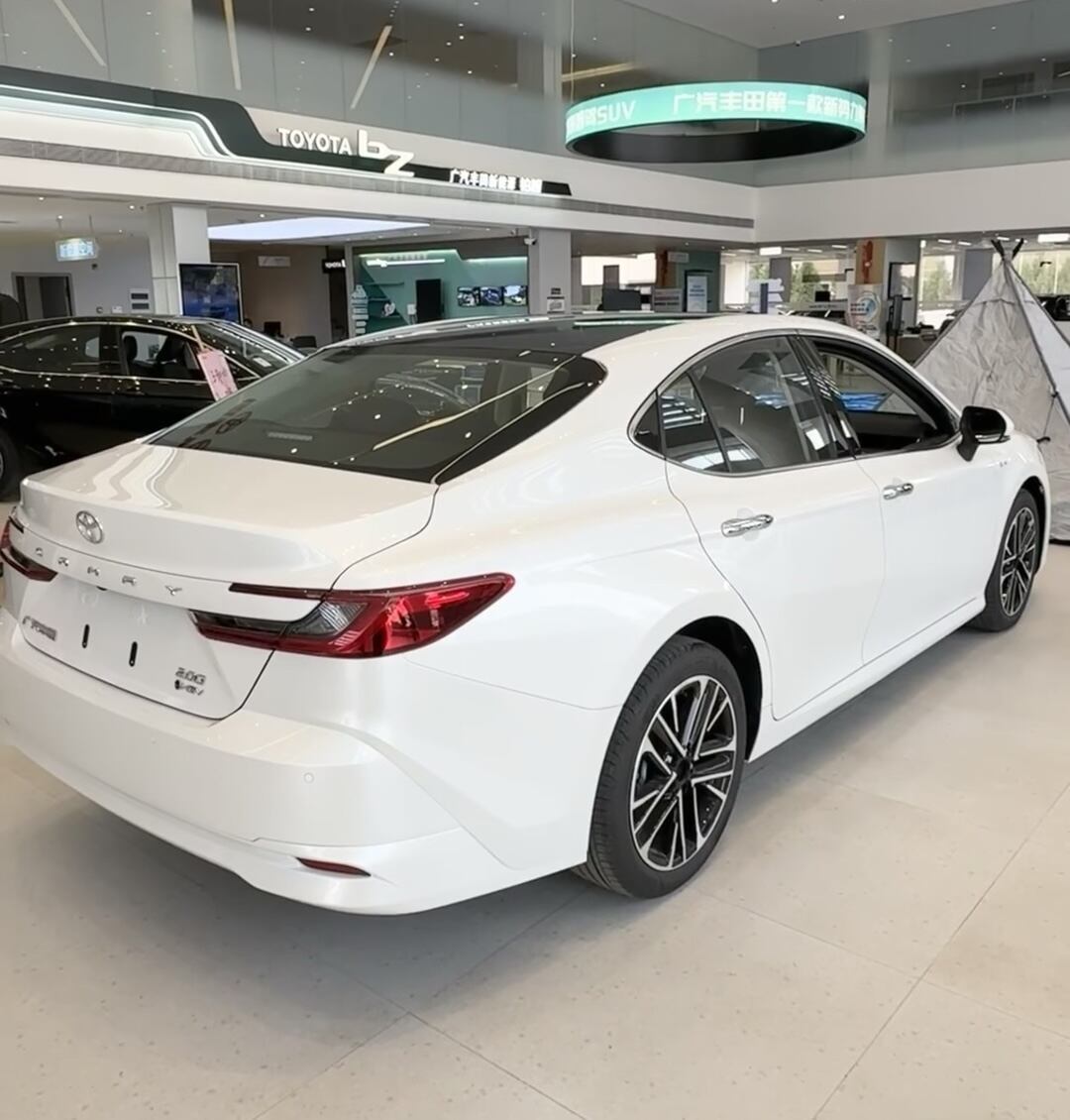
The automotive landscape in 2026 presents distinct differences between new cars and used vehicles that extend far beyond simple age and mileage considerations. Today's new cars incorporate cutting-edge technologies, enhanced safety systems, and advanced manufacturing processes that create meaningful distinctions from their pre-owned counterparts. Understanding these differences becomes crucial for consumers navigating vehicle purchasing decisions in an era of rapid automotive innovation.
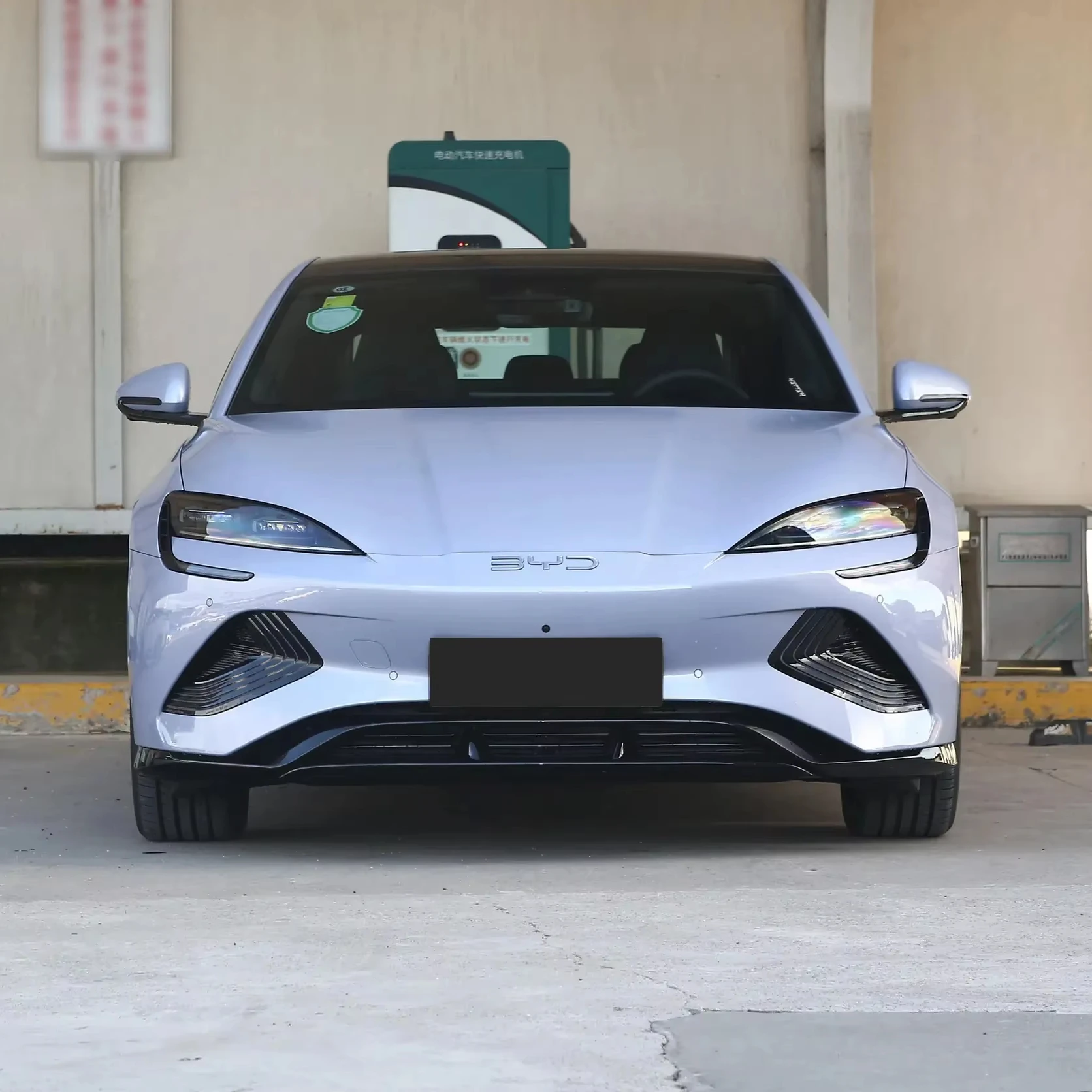
The fundamental characteristics that separate new cars from used vehicles in 2026 encompass technological integration, manufacturing quality, warranty coverage, and environmental compliance standards. These distinctions reflect the automotive industry's continuous evolution toward smarter, safer, and more sustainable transportation solutions. As manufacturers implement advanced production techniques and integrate sophisticated electronic systems, the gap between new and used vehicles continues to widen in meaningful ways.
Advanced Technology Integration in Modern Vehicles
Cutting-Edge Infotainment and Connectivity Systems
New cars in 2026 feature state-of-the-art infotainment systems that seamlessly integrate with smartphones, smart homes, and cloud-based services. These systems offer intuitive touchscreen interfaces, voice recognition capabilities, and over-the-air update functionality that keeps software current throughout the vehicle's lifecycle. The connectivity features in new cars enable real-time traffic optimization, remote vehicle monitoring, and personalized driver profiles that adapt to individual preferences.
Used vehicles typically lack these sophisticated connectivity options, as older infotainment systems often become obsolete or incompatible with current smartphone operating systems. The technology gap becomes particularly evident in wireless charging capabilities, multi-device connectivity, and seamless integration with popular applications that drivers rely on daily.
Enhanced Driver Assistance and Safety Technologies
Contemporary new cars incorporate advanced driver assistance systems that utilize multiple cameras, radar sensors, and artificial intelligence algorithms to enhance safety and convenience. These systems include adaptive cruise control, lane-keeping assistance, automatic emergency braking, and blind-spot monitoring that work together to prevent accidents and reduce driver fatigue during long journeys.
The sophisticated safety technologies in new cars represent significant improvements over systems found in used vehicles, where older sensor technology may lack the precision and reliability of current-generation components. New cars also benefit from updated safety algorithms that learn from global driving data to improve performance continuously.
Electric and Hybrid Powertrain Innovations
New cars in 2026 offer advanced electric and hybrid powertrains that deliver improved efficiency, reduced emissions, and enhanced performance compared to conventional internal combustion engines. These modern powertrains feature sophisticated battery management systems, regenerative braking technology, and intelligent power distribution that optimizes energy consumption based on driving conditions.
Used vehicles with electric or hybrid systems may experience battery degradation, reduced range capability, and outdated charging protocols that limit their effectiveness compared to new cars equipped with current-generation electric powertrains.
Manufacturing Quality and Materials Innovation
Advanced Materials and Construction Techniques
Manufacturing processes for new cars in 2026 utilize advanced materials such as high-strength steel alloys, carbon fiber composites, and lightweight aluminum components that improve structural integrity while reducing overall vehicle weight. These materials undergo precise manufacturing processes that ensure consistent quality and durability standards that exceed previous automotive production capabilities.
The construction techniques employed in new cars include laser welding, advanced adhesive bonding, and computer-controlled assembly processes that create stronger joints and more precise tolerances than traditional manufacturing methods used in older vehicles. These improvements result in enhanced crash safety, reduced noise and vibration levels, and improved long-term reliability.
Quality Control and Testing Standards
New cars undergo comprehensive quality control testing that includes computer simulations, real-world durability testing, and environmental stress testing that ensures components meet current performance standards. Modern quality assurance processes utilize artificial intelligence and machine learning algorithms to identify potential issues before vehicles reach consumers.
The rigorous testing protocols applied to new cars provide confidence in component reliability and overall vehicle performance that used vehicles cannot match, particularly as wear and previous usage history may compromise original quality standards. Quality control improvements in new cars extend to paint finish durability, interior material longevity, and electronic component reliability.
Environmental Compliance and Emission Standards
New cars must comply with stringent environmental regulations and emission standards that continue to evolve toward cleaner transportation solutions. These vehicles incorporate advanced emission control systems, fuel-efficient engines, and eco-friendly manufacturing processes that minimize environmental impact throughout the vehicle lifecycle.
Used vehicles may not meet current environmental standards, particularly older models that were manufactured under less stringent regulations. The environmental advantages of new cars become increasingly important as municipalities implement low-emission zones and environmental restrictions that may limit access for older vehicles.
Warranty Coverage and Financial Protection
Comprehensive Manufacturer Warranties
New cars come with extensive manufacturer warranties that typically cover major components, powertrain systems, and electronic components for multiple years or substantial mileage limits. These warranties provide financial protection against unexpected repairs and demonstrate manufacturer confidence in vehicle quality and reliability.
The comprehensive warranty coverage available with new cars includes roadside assistance, rental car coverage during repairs, and protection against manufacturing defects that may not be apparent during initial ownership. This coverage provides peace of mind and financial predictability that used vehicle purchases cannot offer.
Extended Service Plans and Maintenance Programs
Manufacturers of new cars often provide extended service plans, prepaid maintenance programs, and specialized support services that help owners maintain optimal vehicle performance throughout the ownership period. These programs typically include scheduled maintenance, software updates, and technical support that keeps vehicles operating at peak efficiency.
Used vehicles generally lack access to these comprehensive service programs, and owners must rely on independent service providers who may not have access to specialized tools, diagnostic equipment, or technical training specific to complex modern automotive systems found in new cars.
Financial Incentives and Purchase Benefits
New cars often qualify for manufacturer incentives, government tax credits, and special financing programs that can reduce the effective purchase price or monthly payment obligations. These financial benefits are particularly significant for electric and hybrid new cars that may qualify for substantial environmental incentives.
The financial advantages available with new cars extend beyond purchase incentives to include preferred insurance rates, lower registration fees in some jurisdictions, and access to special financing terms that recognize the lower risk profile associated with new vehicle ownership.
Performance and Reliability Characteristics
Optimized Performance and Efficiency
New cars deliver optimal performance characteristics as all components operate within design specifications without wear or degradation that affects efficiency, power output, or fuel economy. The engineering refinements in new cars result from continuous improvement processes that incorporate lessons learned from previous model generations and real-world performance data.
Performance advantages in new cars include precisely calibrated engine management systems, optimized transmission programming, and suspension tuning that provides the intended driving experience as designed by automotive engineers. These performance characteristics may deteriorate in used vehicles due to component wear, maintenance history, and environmental exposure.
Predictable Maintenance and Operating Costs
New cars offer predictable maintenance schedules and operating costs based on manufacturer specifications and warranty coverage that helps owners budget for vehicle-related expenses. The maintenance requirements for new cars are typically less frequent and less expensive during the initial ownership period due to the condition of all components.
Operating costs for new cars often include fuel efficiency advantages, reduced insurance premiums, and lower probability of unexpected repairs that can create budget uncertainties associated with used vehicle ownership. The predictability of ownership costs makes new cars attractive to consumers who value financial planning certainty.
Longevity and Durability Expectations
New cars provide maximum remaining useful life with all components starting from optimal condition, which extends the potential ownership period and maximizes the return on investment over time. The durability improvements in new cars reflect advances in materials science, manufacturing processes, and component design that increase expected service life.
The longevity advantages of new cars become particularly important for consumers who plan extended ownership periods or high-mileage usage patterns where the additional service life justifies the higher initial purchase price compared to used alternatives that may require replacement sooner.
Market Value and Ownership Considerations
Depreciation Patterns and Resale Value
New cars experience initial depreciation during the first years of ownership, but they also provide the opportunity to capture the full remaining value of the vehicle through careful maintenance and appropriate usage patterns. The depreciation of new cars follows predictable patterns that allow owners to make informed decisions about optimal ownership duration.
Understanding depreciation characteristics helps consumers evaluate whether the benefits of new cars justify the additional cost compared to used vehicles that have already experienced significant depreciation. New cars with strong brand reputation and desirable features often maintain better resale value over time.
Customization and Personalization Options
New cars offer extensive customization options that allow buyers to select specific features, colors, and equipment packages that match individual preferences and requirements. This personalization capability ensures that new cars meet exact specifications without compromising on desired features or accepting unwanted options.
The customization advantages of new cars extend to technology packages, interior materials, and performance options that may not be available in used vehicles where buyers must accept the previous owner's choices. New cars provide the opportunity to create a vehicle configuration that aligns perfectly with intended usage patterns and personal preferences.
Financing and Insurance Advantages
New cars typically qualify for preferential financing terms, lower interest rates, and more flexible loan structures compared to used vehicle financing options. Lenders view new cars as lower-risk collateral, which translates to better financing terms and lower total cost of ownership when financing is required.
Insurance benefits for new cars often include lower premiums due to advanced safety features, reduced theft risk, and comprehensive coverage options that protect the full vehicle value. These insurance advantages, combined with warranty protection, create a more favorable risk profile for new cars compared to used alternatives.
FAQ
Are new cars worth the extra cost compared to used vehicles?
New cars provide value through advanced technology, comprehensive warranties, optimal performance, and predictable ownership costs that may justify the higher purchase price for consumers who prioritize reliability, latest features, and long-term ownership. The decision depends on individual financial circumstances, usage requirements, and personal preferences regarding vehicle features and ownership experience.
How much better is the technology in new cars versus used vehicles?
Technology differences between new cars and used vehicles can be substantial, particularly in areas such as connectivity, safety systems, and powertrain efficiency. New cars feature current-generation processors, updated software, and compatibility with modern devices, while used vehicles may have outdated systems that cannot be upgraded to current standards.
Do new cars really last longer than used vehicles?
New cars start their service life with all components in optimal condition and benefit from the latest manufacturing improvements, materials, and quality control processes. While well-maintained used vehicles can provide reliable service, new cars offer maximum remaining useful life and the advantage of starting from peak condition with full warranty protection.
What safety advantages do new cars have over used vehicles?
New cars incorporate the latest safety technologies including advanced airbag systems, collision avoidance technology, improved structural design, and electronic stability systems that exceed safety standards required for older vehicles. These safety improvements can significantly reduce accident risk and injury severity compared to used vehicles with older safety systems.