
 EN
EN
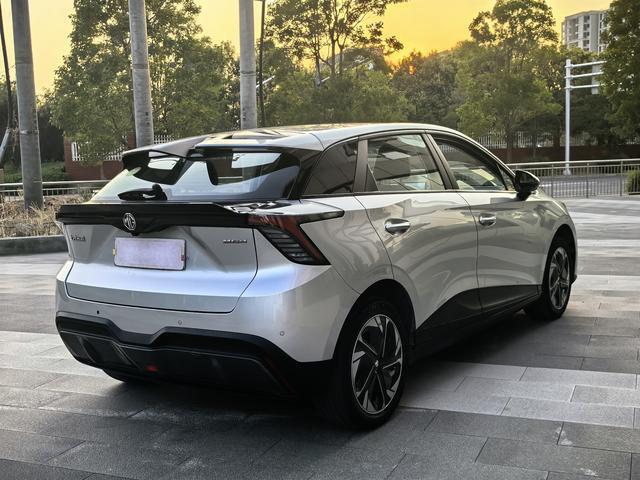
The global automotive market has witnessed unprecedented growth in Chinese vehicle exports, with cars for sale in China for export becoming a significant economic driver. Chinese manufacturers have developed sophisticated logistics frameworks to handle the complexities of international vehicle distribution, from electric vehicles to traditional combustion engines. Understanding the optimal logistics models is crucial for businesses seeking to capitalize on China's automotive export boom, as the selection of appropriate distribution channels can dramatically impact profitability and market penetration. The evolution of export logistics has transformed from simple container shipping to complex multi-modal transportation networks that accommodate various vehicle types, regulatory requirements, and market demands across different continents.
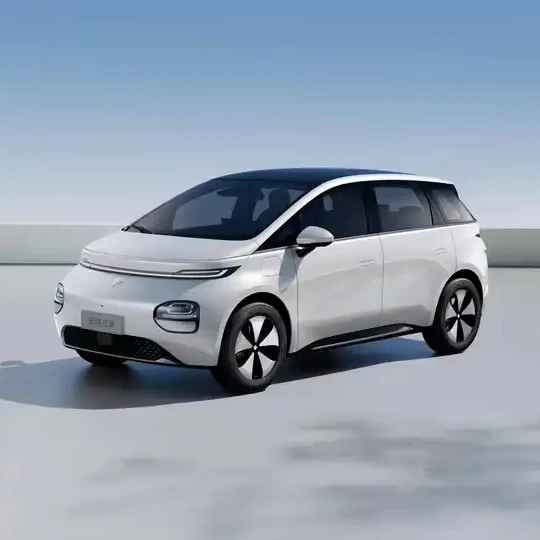
Direct Export Logistics Models
Manufacturer-to-Dealer Distribution
The manufacturer-to-dealer model represents the most straightforward approach for cars for sale in China for export, where Chinese automotive companies establish direct relationships with international dealerships. This model eliminates intermediary costs while providing manufacturers greater control over pricing, brand representation, and customer experience. Major Chinese automakers like BYD, Geely, and Great Wall Motors have successfully implemented this approach in European and Southeast Asian markets, establishing dedicated logistics centers at key ports such as Shanghai, Ningbo, and Shenzhen. The direct distribution model requires substantial investment in international logistics infrastructure, including specialized vehicle carriers, port facilities, and regional distribution centers that can handle the specific requirements of automotive cargo.
Implementation of direct export logistics demands sophisticated coordination between manufacturing schedules, shipping availability, and international market demand cycles. Chinese manufacturers typically utilize roll-on-roll-off vessels and specialized car carriers that can transport hundreds of vehicles simultaneously while maintaining protection from weather and handling damage. The logistics planning process involves coordination with international customs agencies, compliance with destination country regulations, and establishment of pre-delivery inspection protocols that ensure vehicles meet local safety and emissions standards before reaching end customers.
Hub-and-Spoke Distribution Networks
Hub-and-spoke logistics models have emerged as highly effective solutions for cars for sale in China for export, particularly when serving multiple international markets simultaneously. This approach establishes regional distribution hubs in strategic locations such as Dubai, Singapore, or European ports like Hamburg and Rotterdam, where vehicles are consolidated, processed, and redistributed to final destinations. The hub-and-spoke model offers significant economies of scale by allowing manufacturers to optimize shipping routes, reduce per-unit transportation costs, and maintain buffer inventory levels that can respond quickly to market fluctuations in different regions.
Regional hubs serve multiple functions beyond simple storage and redistribution, including final vehicle preparation, customization for local market requirements, and quality control inspections. These facilities often incorporate advanced logistics technologies such as automated storage and retrieval systems, real-time inventory tracking, and predictive analytics that optimize vehicle allocation based on historical demand patterns and market forecasts. The hub-and-spoke approach particularly benefits manufacturers offering diverse vehicle lineups, as different models can be distributed through the same network infrastructure while maintaining flexibility to adjust regional inventory levels based on local market conditions.
Multi-Modal Transportation Systems
Sea-Rail Intermodal Logistics
Sea-rail intermodal transportation has revolutionized the logistics landscape for cars for sale in China for export, particularly for destinations in Central Asia, Europe, and Russia. The China-Europe Railway Express, commonly known as the Belt and Road rail network, provides an alternative to traditional ocean shipping that significantly reduces transit times while offering cost advantages over air freight. This logistics model combines the cost-effectiveness of rail transport for continental distances with the efficiency of maritime shipping for intercontinental routes, creating hybrid solutions that optimize both time and cost considerations.
Intermodal logistics requires sophisticated coordination between different transportation modes, with specialized equipment designed to handle vehicle transfers between ships, trains, and trucks without damage. Chinese logistics providers have invested heavily in multi-modal terminals equipped with advanced handling equipment, including hydraulic car lifts, specialized rail car loading systems, and climate-controlled storage facilities. The intermodal approach particularly benefits high-value electric vehicles and luxury car exports where transit time reduction justifies the additional complexity of multi-modal coordination.
Ro-Ro Ferry Integration
Roll-on-roll-off ferry services represent a specialized logistics solution for cars for sale in China for export to nearby markets such as South Korea, Japan, and Southeast Asian destinations. This transportation mode allows vehicles to be driven directly onto specialized ferry vessels, eliminating the need for crane loading and reducing the risk of handling damage during the loading and unloading process. Ro-Ro logistics models are particularly effective for short-to-medium distance exports where frequency and flexibility are more important than maximum cargo capacity.
The integration of Ro-Ro services into broader logistics networks requires careful scheduling coordination to ensure optimal vessel utilization while maintaining regular service frequencies that meet customer delivery expectations. Chinese ports have developed specialized Ro-Ro terminals with advanced traffic management systems that can handle high volumes of vehicle throughput while maintaining strict security and customs clearance protocols. This logistics model has proven especially effective for electric vehicle exports, where battery safety regulations and specialized handling requirements make traditional container shipping less practical.
Technology-Enabled Logistics Solutions
Digital Supply Chain Management
Modern logistics models for cars for sale in China for export increasingly rely on sophisticated digital supply chain management systems that integrate real-time tracking, predictive analytics, and automated decision-making capabilities. These technology platforms provide end-to-end visibility from manufacturing completion through final delivery, enabling stakeholders to monitor vehicle location, condition, and estimated arrival times throughout the export process. Advanced logistics management systems incorporate artificial intelligence algorithms that optimize route selection, predict potential delays, and automatically adjust distribution plans based on changing market conditions or transportation disruptions.
Digital logistics platforms also facilitate improved communication between Chinese manufacturers, international logistics providers, and destination market partners through integrated messaging systems, automated status updates, and collaborative planning tools. These systems often include mobile applications that allow dealers and customers to track individual vehicle shipments, receive delivery notifications, and access detailed vehicle information including specifications, warranty details, and maintenance schedules. The integration of blockchain technology in some advanced systems provides immutable tracking records that enhance transparency and reduce disputes in international transactions.
IoT-Enabled Vehicle Monitoring
Internet of Things technologies have transformed how cars for sale in china for export are monitored during transit, with sensors and connected devices providing continuous data on vehicle condition, location, and environmental factors. IoT-enabled logistics solutions include temperature and humidity monitoring for climate-sensitive vehicles, vibration sensors that detect potential handling damage, and GPS tracking systems that provide precise location data throughout the transportation process. These technologies are particularly valuable for high-value electric vehicles and luxury cars where maintaining optimal conditions during transit is critical for preserving vehicle quality and warranty coverage.
Advanced IoT systems integrate with logistics management platforms to provide automated alerts when predetermined thresholds are exceeded, enabling proactive intervention to prevent damage or delays. Some systems include two-way communication capabilities that allow remote diagnostics, software updates, and even basic vehicle maintenance procedures to be performed while vehicles are in transit. This technology integration has become increasingly important as Chinese manufacturers expand into premium market segments where customer expectations for vehicle condition and delivery reliability are particularly high.
Regional Logistics Adaptations
European Market Logistics
European markets require specialized logistics approaches for cars for sale in China for export due to stringent regulatory requirements, diverse consumer preferences, and complex distribution networks across multiple countries. Chinese manufacturers typically establish European distribution centers in strategically located ports such as Antwerp, Hamburg, or Zeebrugge, where vehicles undergo final preparation including European Union compliance certification, local market customization, and pre-delivery inspections. The European logistics model often incorporates multi-country distribution capabilities that allow single shipments to serve multiple national markets while accommodating different regulatory requirements, language preferences, and dealer network structures.
European logistics networks must also accommodate the region's emphasis on environmental sustainability, with many distribution centers incorporating renewable energy systems, electric vehicle charging infrastructure, and carbon-neutral transportation options. The complexity of European Union regulations regarding vehicle emissions, safety standards, and data privacy requires sophisticated compliance management systems that ensure all cars for sale in China for export meet local requirements before entering the distribution network. This regulatory complexity has led many Chinese manufacturers to establish partnerships with European logistics specialists who possess deep knowledge of local requirements and established relationships with regulatory authorities.
Southeast Asian Distribution Models
Southeast Asian markets present unique logistics challenges for cars for sale in China for export, including diverse geographic conditions, varying infrastructure quality, and different economic development levels across the region. Chinese manufacturers have adapted their logistics models to accommodate these variations through flexible distribution networks that can serve both developed urban markets and emerging rural areas through the same supply chain infrastructure. The regional approach often utilizes Singapore or Malaysia as primary distribution hubs, with secondary distribution centers in major metropolitan areas such as Jakarta, Bangkok, and Manila.
Southeast Asian logistics models must account for seasonal weather patterns, including monsoon seasons that can disrupt traditional shipping schedules, requiring buffer inventory levels and alternative transportation routes to maintain consistent supply availability. The region's rapid adoption of electric vehicles has also influenced logistics planning, with distribution centers incorporating charging infrastructure and specialized handling equipment for battery-powered vehicles. Many Chinese manufacturers have established local assembly operations in countries like Thailand and Indonesia, creating hybrid logistics models that combine imported components with local assembly to optimize costs and reduce trade barriers.
Cost Optimization Strategies
Consolidated Shipping Solutions
Consolidated shipping represents one of the most effective cost optimization strategies for cars for sale in China for export, allowing multiple manufacturers or dealers to share transportation costs while maintaining individual inventory control. This approach is particularly beneficial for smaller manufacturers or specialized vehicle segments where individual shipment volumes may not justify dedicated vessel space. Consolidation logistics providers offer services that aggregate vehicles from multiple sources, optimize loading configurations to maximize vessel utilization, and coordinate delivery schedules that minimize destination handling costs.
Advanced consolidation models incorporate sophisticated algorithms that optimize vehicle placement within carriers based on size, weight, destination, and delivery priority, ensuring maximum space utilization while protecting vehicle integrity during transit. Some consolidation services offer additional value-added services including pre-shipment inspections, customs documentation preparation, and destination market preparation that reduce the administrative burden on individual manufacturers while achieving economies of scale. The consolidation approach has become increasingly popular for electric vehicle exports, where specialized handling requirements and regulatory compliance needs can be shared across multiple shipments.
Volume-Based Pricing Models
Volume-based pricing models provide significant cost advantages for established exporters of cars for sale in China for export, with logistics providers offering tiered pricing structures that reward consistent shipping volumes with reduced per-unit transportation costs. These pricing models typically include minimum volume commitments that guarantee certain shipping capacities in exchange for preferential rates, space allocation priority, and additional service inclusions such as insurance coverage and customs clearance assistance. Volume-based agreements often incorporate flexible terms that allow seasonal adjustments to accommodate fluctuating demand patterns in destination markets.
Long-term volume contracts enable logistics providers to optimize their own operational efficiency through predictable capacity utilization, vessel scheduling optimization, and resource allocation planning that ultimately benefits all parties through cost reductions. Some volume-based models include performance incentives that provide additional cost reductions when delivery timelines, damage rates, or customer satisfaction metrics exceed predetermined benchmarks. These comprehensive pricing structures have become essential tools for Chinese manufacturers competing in price-sensitive international markets where logistics costs can significantly impact overall competitiveness.
FAQ
What are the typical transit times for cars exported to Central Asia?
For countries like Kazakhstan and Uzbekistan, transit via our dedicated rail and road lines typically takes 12–18 days. This is significantly faster than traditional maritime routes, thanks to our nationwide logistics dedicated-line network which bypasses common bottlenecks.
What are the typical transit times for cars for sale in China for export using different logistics models
Transit times vary significantly depending on the logistics model and destination market. Ocean freight typically requires 15-30 days for major port destinations, while rail transport through the Belt and Road network can reduce European delivery times to 12-16 days. Multi-modal combinations often achieve optimal balance between cost and speed, with sea-rail intermodal services delivering to Central European markets in 18-22 days. Factors affecting transit times include customs clearance procedures, weather conditions, and seasonal shipping schedules.
How do Chinese manufacturers ensure vehicle quality during export logistics
Quality preservation during export logistics involves multiple protective measures including specialized vehicle carriers with climate control systems, secure tie-down procedures, and comprehensive insurance coverage. Pre-shipment inspections document vehicle condition, while IoT monitoring systems track environmental conditions throughout transit. Post-delivery inspections verify vehicle integrity, and logistics providers typically maintain quality standards through certified handling procedures and trained personnel at all transfer points.
What documentation is required for cars for sale in China for export logistics
Export documentation requirements include manufacturer certificates of origin, vehicle identification documentation, customs declarations, bill of lading or air waybill, commercial invoices with detailed specifications, insurance certificates, and destination country compliance certifications. Additional documentation may include emissions certificates, safety standard attestations, and warranty documentation. Digital documentation systems increasingly streamline this process through automated generation and electronic transmission of required paperwork.
How do logistics costs compare between different transportation modes for Chinese vehicle exports
Ocean freight represents the most cost-effective option for high-volume shipments, typically costing 60-70% less than rail transport but requiring longer transit times. Rail transport offers middle-ground pricing with faster delivery than ocean freight, particularly effective for European destinations. Air freight, while fastest, costs 8-10 times more than ocean shipping and is typically reserved for high-value vehicles or urgent deliveries. Multi-modal solutions often provide optimal cost-time balance for specific route combinations.
Table of Contents
- Direct Export Logistics Models
- Multi-Modal Transportation Systems
- Technology-Enabled Logistics Solutions
- Regional Logistics Adaptations
- Cost Optimization Strategies
-
FAQ
- What are the typical transit times for cars exported to Central Asia?For countries like Kazakhstan and Uzbekistan, transit via our dedicated rail and road lines typically takes 12–18 days. This is significantly faster than traditional maritime routes, thanks to our nationwide logistics dedicated-line network which bypasses common bottlenecks.What are the typical transit times for cars for sale in China for export using different logistics models
- How do Chinese manufacturers ensure vehicle quality during export logistics
- What documentation is required for cars for sale in China for export logistics
- How do logistics costs compare between different transportation modes for Chinese vehicle exports