
 EN
EN
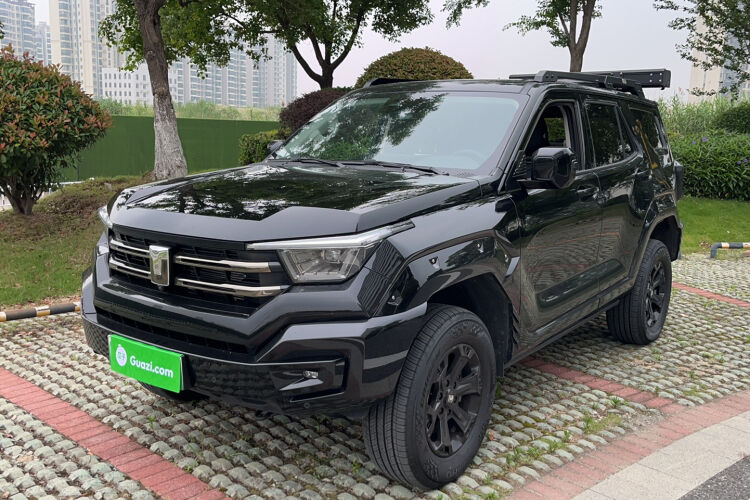
Understanding what truly defines the best used cars in today's market requires looking beyond surface-level aesthetics and recognizing the specific features that deliver long-term value, reliability, and practicality. For buyers navigating an increasingly complex automotive landscape, identifying vehicles that combine proven mechanical integrity with modern safety features and cost-effective ownership has become essential. The best used cars share common characteristics that distinguish them from average pre-owned vehicles—attributes that encompass everything from comprehensive service histories to advanced driver assistance technologies and fuel efficiency benchmarks that reduce total cost of ownership.
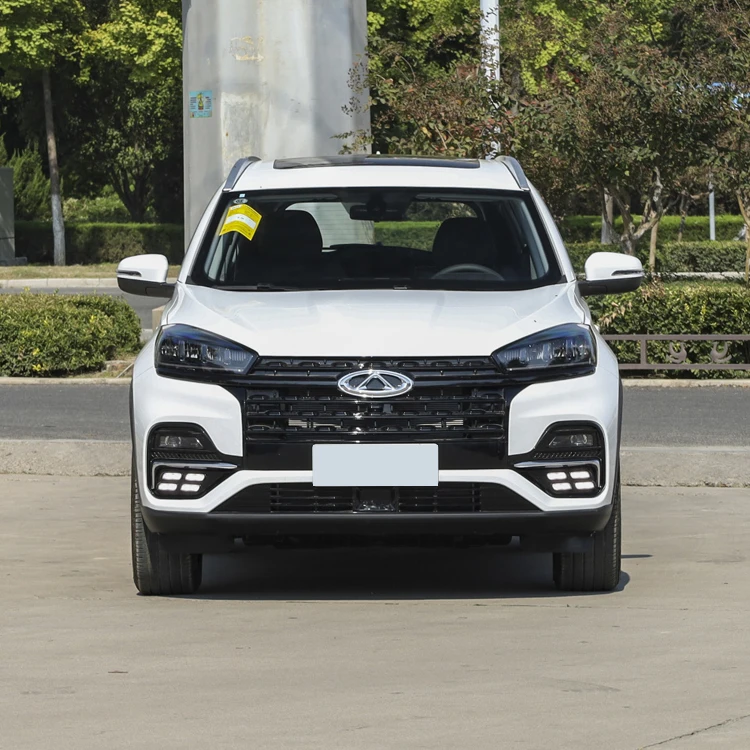
Today's used car market has evolved significantly, with buyers demanding vehicles that meet stricter criteria than previous generations considered. The best used cars available now must balance technological sophistication with proven durability, offering features that were once exclusive to luxury segments while maintaining affordable maintenance costs. This article examines the specific features that separate exceptional used vehicles from mediocre options, providing buyers with actionable criteria for making informed purchasing decisions that align with both immediate needs and long-term ownership goals.
Mechanical Reliability and Verified Service History
Comprehensive Maintenance Documentation
The foundation of any vehicle qualifying among the best used cars begins with verifiable maintenance records that demonstrate consistent care throughout its operational lifespan. Complete service histories provide transparency into how previous owners treated the vehicle, revealing whether recommended maintenance intervals were followed and whether any major repairs were addressed properly. These records should include oil changes performed at manufacturer-specified intervals, brake system inspections, fluid replacements, and timing belt services where applicable, creating a documented narrative of responsible ownership.
Vehicles with gaps in their service documentation raise legitimate concerns about hidden issues or deferred maintenance that could manifest as expensive repairs shortly after purchase. The best used cars come with digital or physical records from authorized service centers, independent mechanics with established reputations, or detailed owner logs that track every significant service event. This documentation allows prospective buyers to assess whether the vehicle received proper care during critical mileage milestones and whether any recurring issues were addressed systematically rather than temporarily patched.
Beyond routine maintenance, exceptional used vehicles demonstrate proactive component replacements before failures occur, such as suspension components, cooling system parts, and wear items replaced according to predictive maintenance schedules rather than reactive emergency repairs. This approach to vehicle care extends operational lifespan and reduces the likelihood of cascade failures where one neglected system damages adjacent components, ultimately defining what separates truly reliable used cars from those requiring constant attention.
Powertrain Integrity and Performance Consistency
Engine and transmission condition represent the most critical mechanical factors determining whether a used vehicle deserves consideration among the best available options. Superior used cars exhibit smooth engine operation across all RPM ranges, with no unusual noises, vibrations, or hesitations that suggest internal wear or pending component failures. The engine should start promptly in all weather conditions, maintain stable idle characteristics, and deliver consistent power delivery without surging, misfiring, or consuming excessive oil between service intervals.
Transmission performance equally defines quality in the best used cars, with automatic transmissions shifting smoothly through all gear ranges without delays, harsh engagements, or slipping sensations that indicate clutch pack wear or hydraulic system deterioration. Manual transmissions should engage cleanly without grinding, with clutch pedals offering consistent resistance and engagement points that haven't migrated due to wear. Professional pre-purchase inspections can identify transmission fluid condition, with clean fluid suggesting proper maintenance while burnt or metallic-contaminated fluid signals internal problems that disqualify vehicles from consideration.
The best used cars also demonstrate proper cooling system function, maintaining stable operating temperatures under varied driving conditions without overheating tendencies that suggest radiator blockages, thermostat failures, or head gasket issues. Engine compression tests and leak-down tests provide objective data about cylinder condition and valve sealing, offering scientific validation that supplements subjective driving impressions and helping buyers distinguish between well-maintained powertrains and those approaching major service requirements.
Safety Features and Crash Protection Standards
Active Safety Technologies
Modern buyers searching for the best used cars prioritize vehicles equipped with active safety systems that prevent accidents rather than merely protecting occupants during collisions. Electronic stability control has become standard on vehicles manufactured after 2012, using selective brake application and throttle modulation to maintain directional control during emergency maneuvers or low-traction conditions. This technology has proven effectiveness in reducing single-vehicle crashes and loss-of-control incidents, making it an essential feature for any used vehicle worthy of consideration.
Advanced driver assistance systems including forward collision warning, automatic emergency braking, and lane departure warning represent increasingly important features that define the best used cars from recent model years. These technologies use radar sensors, cameras, or combined sensor arrays to monitor surrounding traffic and road conditions, providing warnings or autonomous interventions that prevent common accident scenarios. Vehicles equipped with these systems offer measurably improved safety outcomes compared to older models lacking such technologies, justifying their premium positioning in the used car market.
Blind spot monitoring and rear cross-traffic alert systems further distinguish superior used vehicles by addressing visibility limitations inherent in modern vehicle designs with thick pillars and high beltlines. These features use radar or ultrasonic sensors to detect vehicles in adjacent lanes or approaching from the sides when reversing, providing visual and audible warnings that prevent lane-change collisions and parking lot incidents. The presence of these technologies significantly enhances daily driving safety and should factor prominently in evaluations of which used vehicles offer the most comprehensive protection.
Structural Integrity and Crash Test Performance
The best used cars achieve top-tier ratings in independent crash testing conducted by organizations like the Insurance Institute for Highway Safety and the National Highway Traffic Safety Administration, demonstrating superior occupant protection across multiple impact scenarios. These ratings evaluate frontal crashes, side impacts, roof strength, and head restraint effectiveness, providing objective measures of how well vehicle structures protect occupants during real-world collision events. Used cars with Good or Top Safety Pick ratings offer proven protection that translates directly into reduced injury risk for drivers and passengers.
High-strength steel construction and strategic crumple zones characterize vehicles that perform well in crash testing, with engineered deformation patterns that absorb impact energy while maintaining rigid passenger compartment integrity. The best used cars incorporate these structural features throughout their design, not just in specific areas, ensuring consistent protection regardless of impact angle or collision severity. Buyers should research crash test results for specific model years they're considering, as structural improvements often occur mid-generation through running changes that significantly enhance safety performance.
Airbag systems in top-quality used vehicles extend beyond basic driver and passenger frontal airbags to include side-curtain airbags protecting all seating rows, seat-mounted torso airbags, and sometimes knee airbags that prevent lower-extremity injuries during frontal impacts. Comprehensive airbag coverage represents a distinguishing feature of the best used cars, providing multi-directional protection that addresses the full spectrum of collision scenarios encountered in real-world driving environments. Verification that all airbag systems remain functional and haven't been deployed in previous incidents is essential during the evaluation process.
Technology Integration and Connectivity Features
Infotainment Systems and User Interface Design
Contemporary buyers expect the best used cars to offer intuitive infotainment systems that integrate seamlessly with smartphones and provide responsive touchscreen interfaces or well-designed physical controls. Modern infotainment platforms supporting Apple CarPlay and Android Auto have become standard expectations, allowing drivers to access navigation, communication, and entertainment functions through familiar smartphone interfaces rather than learning proprietary vehicle systems. This integration ensures that infotainment capabilities remain current even as smartphones evolve, future-proofing the user experience in ways that older proprietary systems cannot match.
Screen quality, system responsiveness, and menu logic separate superior infotainment implementations from frustrating interfaces that distract drivers or require excessive attention to operate basic functions. The best used cars feature high-resolution displays with anti-glare treatments, quick boot times that don't leave drivers waiting for system initialization, and logical menu structures that place frequently accessed functions within two or three input actions. Voice recognition capabilities that accurately interpret natural language commands further enhance usability, allowing drivers to maintain focus on road conditions while accessing vehicle functions.
Audio system quality also distinguishes premium used vehicles, with multi-speaker configurations, dedicated amplifiers, and digital signal processing delivering clear sound reproduction across frequency ranges. While audiophile-grade systems aren't universal requirements, the best used cars provide audio experiences that enhance rather than detract from the driving environment, with speakers positioned for optimal soundstaging and sufficient power output to maintain clarity at highway speeds despite road noise intrusion.
Navigation Systems and Connected Services
Built-in navigation systems in the best used cars offer advantages over smartphone-based solutions through integration with vehicle sensors, larger display sizes, and functionality that doesn't depend on cellular connectivity in remote areas. Modern factory navigation systems provide real-time traffic data, predictive routing that accounts for historical congestion patterns, and seamless operation without draining smartphone batteries or consuming mobile data allowances. These systems represent valuable features for buyers who frequently travel in unfamiliar areas or prefer dedicated navigation displays that don't occupy smartphone screens needed for other purposes.
Connected vehicle services including automatic crash notification, stolen vehicle tracking, and remote diagnostics add significant value to used cars equipped with these capabilities, provided the services remain active or can be reactivated under new ownership. These features leverage embedded cellular connections to provide emergency assistance, enable remote vehicle monitoring through smartphone applications, and transmit diagnostic data that alerts owners to developing mechanical issues before they cause breakdowns. The presence of these connected capabilities increasingly defines what buyers consider when identifying the best used cars in technology-forward markets.
Over-the-air software update capability represents an emerging feature in recent-model used vehicles, allowing manufacturers to add functionality, improve system performance, and address software issues without requiring dealer visits. This capability ensures that vehicles maintain current software throughout their operational lives, preventing the gradual obsolescence that affects older vehicles with static software architectures. While not yet universal, this feature increasingly separates the best used cars from those that will experience diminishing functionality as technology standards evolve.
Fuel Efficiency and Environmental Performance
Real-World Fuel Economy Metrics
Fuel efficiency stands as a defining characteristic of the best used cars, directly impacting total ownership costs and environmental footprint throughout the vehicle's remaining operational lifespan. Superior used vehicles achieve EPA fuel economy ratings that meet or exceed segment averages, translating into lower fuel expenditures during daily commuting, long-distance travel, and varied driving conditions. Buyers should focus on combined city and highway ratings rather than optimistic highway-only figures, as combined ratings better represent real-world consumption patterns experienced by most drivers.
Advanced powertrain technologies including direct fuel injection, variable valve timing, turbocharging, and cylinder deactivation enable the best used cars to deliver performance comparable to larger-displacement engines while consuming significantly less fuel. These technologies have matured sufficiently that recent-model used vehicles equipped with them demonstrate proven reliability alongside their efficiency benefits, eliminating the early-adoption risks that affected initial implementations. Understanding which powertrain configurations offer the best balance of performance and efficiency helps buyers identify vehicles that minimize operating costs without sacrificing drivability.
Hybrid and plug-in hybrid vehicles represent an increasingly important category among the best used cars, offering substantially reduced fuel consumption compared to conventional powertrains while avoiding the range limitations associated with pure electric vehicles. Used hybrid models from established manufacturers demonstrate excellent reliability records, with battery systems typically warranted for eight to ten years or 100,000 miles, providing confidence that these complex powertrains will deliver continued service. Evaluating battery condition through diagnostic testing helps buyers assess remaining capacity and predict future performance when considering used hybrid vehicles.
Emissions Standards and Environmental Impact
The best used cars meet current emissions standards despite being manufactured years earlier, demonstrating that proper maintenance preserves catalytic converter efficiency and prevents the gradual emissions deterioration that affects poorly maintained vehicles. Clean emissions profiles ensure vehicles remain compliant with regional air quality regulations, avoid failing mandatory emissions testing where required, and minimize environmental impact throughout their remaining service lives. Buyers in jurisdictions with strict emissions requirements should prioritize vehicles with documented emissions test passage and properly functioning emission control systems.
Diesel-powered vehicles among the best used cars offer exceptional fuel efficiency and durability but require careful evaluation of emissions equipment functionality, particularly diesel particulate filters and selective catalytic reduction systems that can require expensive repairs if neglected. Modern diesel emissions systems demand specific maintenance including periodic regeneration cycles and diesel exhaust fluid replenishment, with proper system function essential for both environmental compliance and long-term reliability. Understanding these maintenance requirements helps buyers determine whether diesel vehicles align with their usage patterns and mechanical comfort levels.
Environmental considerations extend beyond tailpipe emissions to include refrigerant types in air conditioning systems, with newer low-global-warming-potential refrigerants representing improvements over older R-134a systems. While not typically a primary selection criterion, the best used cars incorporate environmental improvements across multiple systems, reflecting manufacturer commitments to reducing overall environmental impact through incremental improvements in components ranging from recyclable interior materials to reduced volatile organic compound emissions from cabin surfaces.
Interior Quality and Practical Features
Material Durability and Wear Resistance
Interior condition provides immediate visual evidence of how previous owners treated their vehicles, with the best used cars exhibiting minimal wear on seats, door panels, dashboard surfaces, and carpeting despite accumulated mileage. High-quality interior materials resist fading, cracking, and deterioration even after years of sun exposure and daily use, maintaining presentable appearances that enhance resale value and provide satisfying ownership experiences. Leather upholstery in premium used vehicles should remain supple without excessive creasing or surface cracking, while cloth seats should show minimal pilling or staining that would require professional cleaning or replacement.
Dashboard and center console materials in the best used cars utilize soft-touch plastics, genuine wood trim, or metal accents that convey quality rather than hard plastics that feel cheap and scratch easily. These premium materials don't just provide aesthetic benefits—they also withstand daily contact better than budget alternatives, maintaining structural integrity and surface finish throughout the vehicle's life. Door panel construction should feel solid without flexing or producing rattles, with window switches operating smoothly and interior handles functioning with consistent effort that suggests proper lubrication and adjustment.
Headliner condition often reveals whether vehicles suffered water intrusion from sunroof leaks or damaged weather stripping, with sagging or stained headliners indicating problems that extend beyond cosmetic concerns. The best used cars maintain taught, clean headliners without discoloration or adhesive failure, suggesting that moisture management systems functioned properly and that the vehicle wasn't exposed to flood conditions or prolonged water infiltration that could affect electrical systems and structural components.
Seating Comfort and Cargo Versatility
Ergonomic seating represents a critical feature distinguishing the best used cars from those that cause discomfort during extended driving sessions, with proper lumbar support, adjustable thigh support, and cushioning that maintains comfort across varied body types. Multi-way power adjustment in front seats allows precise positioning that reduces fatigue, while memory settings enable quick reconfiguration when vehicles are shared among multiple drivers. Heated and ventilated seats provide climate control beyond basic HVAC systems, enhancing comfort during temperature extremes and adding perceived value that justifies premium pricing in the used market.
Rear seat accommodation in the best used cars provides adequate legroom, headroom, and shoulder room for adult passengers, not just theoretical space that proves cramped during actual use. Fold-flat rear seats or split-folding configurations enable cargo versatility that transforms vehicles from passenger carriers to cargo haulers when needed, providing practical flexibility that enhances utility across varied usage scenarios. Buyers should physically test rear seat comfort and cargo configurations rather than relying solely on manufacturer specifications, as real-world usability often differs from dimensional data.
Storage compartments throughout the cabin add practical value to the best used cars, with center consoles sized to accommodate tablets and large smartphones, door pockets that hold water bottles securely, and dashboard cubbies that keep small items organized and accessible. Thoughtful storage design reduces cabin clutter and ensures that frequently accessed items remain within reach without creating distraction or requiring drivers to divert attention from the road. These seemingly minor features accumulate into significant quality-of-life improvements that become increasingly appreciated during daily ownership.
FAQ
What mileage range is ideal when shopping for the best used cars?
The ideal mileage for the best used cars typically falls between 30,000 and 60,000 miles, representing vehicles that have depreciated substantially from new-car pricing while retaining significant operational life. This mileage range usually indicates three to five years of service assuming average annual driving of 12,000 to 15,000 miles, positioning vehicles past their steepest depreciation period while remaining well within their reliable service window. However, maintenance history and overall condition matter more than absolute mileage numbers, as a well-maintained vehicle with 80,000 miles often represents a better value than a neglected vehicle with 40,000 miles showing deferred maintenance and abuse indicators.
How important is vehicle history reporting when identifying the best used cars?
Comprehensive vehicle history reports from services that aggregate data from insurance companies, repair facilities, and government agencies are essential tools for identifying the best used cars and avoiding problematic vehicles with hidden damage or title issues. These reports reveal accident involvement, flood damage, odometer discrepancies, and ownership changes that provide context about how vehicles were used and maintained throughout their lives. The best used cars show clean titles without salvage or rebuilt designations, minimal accident history with no structural damage, and consistent ownership patterns suggesting satisfied owners rather than vehicles repeatedly sold due to ongoing problems. While history reports cannot guarantee future reliability, they eliminate high-risk vehicles that appear acceptable during superficial inspections but carry serious underlying issues.
Should buyers prioritize certified pre-owned programs when seeking the best used cars?
Certified pre-owned programs offered by manufacturers provide added confidence when purchasing the best used cars through multi-point inspections, extended warranty coverage, and roadside assistance that reduce ownership risk. These programs typically limit certification to recent-model vehicles meeting strict mileage, condition, and history requirements, ensuring that certified vehicles represent above-average examples within the used car market. The warranty extensions provided through certification programs offer financial protection against unexpected repairs during the coverage period, potentially saving thousands in repair costs while providing peace of mind similar to new-car ownership. However, certification adds cost to purchase prices, so buyers comfortable conducting independent inspections and accepting normal used-car risk may find better values through private-party purchases or non-certified dealer inventory.
What role does depreciation rate play in determining the best used cars to purchase?
Understanding depreciation patterns helps buyers identify the best used cars by revealing which models retain value due to desirable features and proven reliability versus those that depreciate rapidly due to reliability concerns, high ownership costs, or declining market demand. Vehicles with slower depreciation rates typically represent safer purchases because their value retention suggests strong market confidence in their quality and desirability, while rapidly depreciating models often carry hidden costs or issues that informed buyers avoid. However, steep depreciation can create value opportunities for buyers willing to accept slightly higher risk, as some vehicles depreciate due to brand perception or market oversupply rather than actual quality problems. The best strategy involves researching why specific models depreciate at their particular rates and determining whether the underlying factors affect actual ownership satisfaction or merely represent market inefficiencies that savvy buyers can exploit.
Table of Contents
- Mechanical Reliability and Verified Service History
- Safety Features and Crash Protection Standards
- Technology Integration and Connectivity Features
- Fuel Efficiency and Environmental Performance
- Interior Quality and Practical Features
-
FAQ
- What mileage range is ideal when shopping for the best used cars?
- How important is vehicle history reporting when identifying the best used cars?
- Should buyers prioritize certified pre-owned programs when seeking the best used cars?
- What role does depreciation rate play in determining the best used cars to purchase?