
 EN
EN
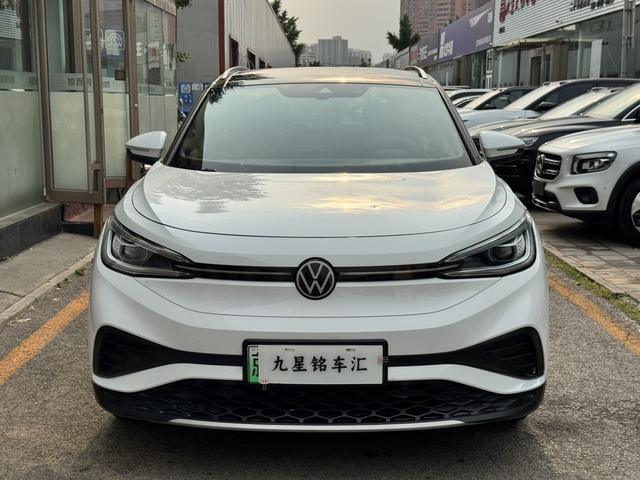
Landskapi i automjeteve po përjeton një zhvendosje revolucionare, pasi adoptimi i automjeteve me energji të re po shpejtohet me një shpejtësi të paparë në vitin 2026. Kjo transformim përfaqëson më shumë se vetëm një avancim teknologjik; ai përfaqëson një ndryshim themelor në mënyrën se si konsumatorët, qeveritë dhe industritë e përqasen qëndrueshmërisë së transportit dhe efikasitetit energjetik.
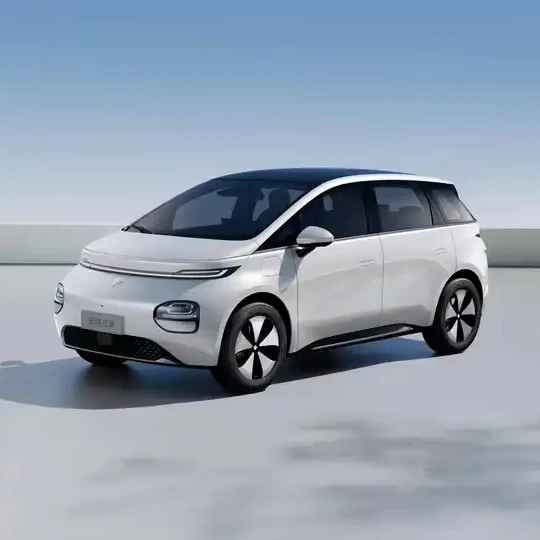
Rritja e popullaritetit të automjeteve me energji të re rrjedh nga bashkimi i disa faktorëve, përfshirë pjekurinë teknologjike, stimujt ekonomikë, ndërgjegjësimin ambiental dhe zhvillimin e infrastrukturës. Kuptimi i këtyre forcave drejtuese ofron një pasqyrë të rëndësishme se pse viti 2026 shënon një vit kyç për adoptrimin e transportit qëndrueshëm në tregjet globale.
Avancimet Teknologjike që Drejtojnë Pranimin e Tregut
Zbulime në Teknologjinë e Baterive
Përmirësimi i shpejtë i teknologjisë së baterive shërben si guri këndor i popullaritetit të vehikujve me energji të re në vitin 2026. Bateritë moderne me litium-ion tani ofrojnë dendësi energjie shumë më të lartë, duke lejuar që automjetet të arrijnë rreze prej mbi 400–500 kilometrash me një ngarkim të vetëm. Kjo zhvillim teknologjik adreson shqetësimin kryesor që më parë pengoi adoptrimin e gjerë.
Sistemet e avancuara për menaxhimin e baterive kanë rivolucionalizuar edhe efikasitetin e ngarkimit dhe jetëgjatësinë. Bateritë e tanishme të vehikujve me energji të re mund të ruajnë mbi 80% të kapacitetit të tyre pas 150.000 kilometrash funksionimi, duke zvogëluar në mënyrë të konsiderueshme shqetësimet e pronësisë së gjatëkohore. Integrimi i teknologjisë së baterive me gjendje të ngurtë në modele të klasës së lartë përmirëson edhe karakteristikat e sigurisë dhe performancës.
Kapacitetet e ngarkimit të shpejtë kanë transformuar përvojën e përdoruesit, me shumicën e modeleve të reja të mjetave me energji të re që mbështesin ngarkimin ultra-të shpejtë, i cili mund të rikthejë 80% të kapacitetit të baterisë brenda 30 minutash. Kjo arritje eliminon pengesën e kohës së gjatë të ngarkimit, e cila më parë diskurajoi blerësit potencialë nga shmangia e alternativave elektrike.
Performanca e Përmirësuar dhe Veçoritë e Mjetit
Dizajnet moderne të mjeteve me energji të re tregojnë metrika të përmirësuara performancë në krahasim me homologët tradicionalë. Motorët elektrikë ofrojnë dorëzim të menjëhershëm të momentit, duke rezultuar në nxitim më të butë dhe dinamika të drejtimit më të përgjigjshme. Ky avantazh i performancës ka tërhequr entuziastët e drejtimit, të cilët më parë e kishin refuzuar mjetet elektrike si alternativa inferiore.
Veçoritë e lidhshmërisë inteligjente janë bërë standard në ofertat e vehikujve me energji të re, duke përfshirë sistemet e avancuara të ndihmës për shoferin, përditësimet e softuerit nëpërmjet rrjetit (over-the-air) dhe platformat e përgjithshme të informatikës dhe argëtimit. Këto integrimet teknologjike tërheqin konsumatorët e orientuar tek teknologjia, të cilët vlerësojnë inovacionin automobilistik të fundit.
Nivelët e ulëta të zhurmës dhe karakteristikat e vibrimeve të motorëve elektrikë kontribuojnë në përmirësimin e komoditetit të pasagjerëve, duke bërë opcionet e vehikujve me energji të re veçanërisht tërheqëse për shfrytëzimin urban të trafikut dhe udhëtimet e gjata.
Faktorët Ekonomikë që Shpejtsojnë Adoptimin
Programet e Incentivave të Qeverisë
Programet e mbështetjes së gjerë të qeverisë kanë zvogëluar në mënyrë të konsiderueshme pengesat financiare të lidhura me pronësinë e vehikujve me energji të re. Subvencionet për blerje, kreditet fiskale dhe programet e rimbursimeve mund të zvogëlojnë çmimin efektiv të blerjes me mijëra dollarë, duke bërë veturët elektrike konkurruese financiarisht me alternativat konvencionale.
Shumë jurisdiksione kanë zbatuar politika preferenciale për pronarët e veturave me energji të re, përfshirë tarifa më të ulëta regjistrimi, përjashtim nga tarifat e mbivendosjes së trafikut dhe qasjen në korridorët e veçantë për veturat me numër të lartë pasagjerësh. Këto përfitime ofrojnë avantazhe ekonomike të vazhdueshme që shtrihen shumë më tej se vendimi fillestar i blerjes.
Operatorët e flotave dhe përdoruesit komercialë kanë njohur kursime të konsiderueshme të kostos operacionale përmes adopcioni të veturave me energji të re, përfshirë ulje të shpenzimeve për karburant, kërkesa më të ulëta për mirëmbajtje dhe tarifa të favorshme sigurimi. Këto përfitime ekonomike drejtojnë kërkesën e konsiderueshme në segmentet e tregut komercial.
Uletja e Kostos së Pronësisë
Kostoja totale e pronësisë për opcionet e veturave me energji të re ka arritur nivelin e barazimit ose të avantazhit krahasuar me veturat tradicionale në shumë tregje. Kostot e energjisë elektrike janë shumë më të ulëta se ato të benzinës për kilometër, duke ofruar kursime operacionale menjëherë për shoferët e përditshëm.
Kërkesat për mirëmbajtje për vehiku me energji të reja sistemet janë zvogëluar në mënyrë të konsiderueshme për shkak të numrit më të vogël të pjesëve lëvizëse, eliminimit të ndryshimeve të vajit dhe cikleve më të gjata jetësore të komponentëve. Ky avantazh i mirëmbajtjes përkthehet në kursime të konsiderueshme të gjatë kohës për pronarët e mjeteve.
Kompanitë e sigurimeve kanë filluar të ofrojnë premia më të ulëta për polica të reja energjetike, duke njohur profilin më të ulët të rrezikut të lidhur me veprimin e mjeteve elektrike dhe veçoritë e avancuara të sigurisë. Këto kursime në sigurim përmirësojnë edhe më tepër argumentet ekonomike për adopcioni të mjeteve elektrike.
Rritja e Ndërgjegjësimit Mbi Ambientin dhe Shtypja Rregullative
Rritja e Ndërgjegjësimit për Ndryshimet Klimatike
Ndërgjegjësimi publik për pasojat e ndryshimeve klimatike ka arritur nivele të paparashikuara në vitin 2026, duke nxitur preferencën e konsumatorëve për zgjidhje transporti që respektojnë ambientin. Adopcioni i mjeteve me energji të re paraqet një mënyrë të palpshme për individët të zvogëlojnë gjurmën e tyre karbonike dhe të kontribuojnë në synimet e qëndrueshmërisë mjedisore.
Iniciativat korporative të qëndrueshmërisë theksojnë gjithnjë e më shumë adoptimin e vehikujve me energji të re për flotat e kompanive dhe programe të transportit të punonjësve. Organizatat e kuptojnë se adoptimi i veturave elektrike tregon udhëheqje mjedisore dhe mbështet objektivat e përgjegjësisë sociale korporative.
Kampaniat arsimore dhe mbrojtja mjedisore kanë komunikuar me sukses përfitimet e gjatëgjatë të adopimit të vehikujve me energji të re, përfshirë zvogëlimin e ndotjes së ajrit, uljen e varësisë nga karburantët fosilë dhe kontributin për integrimin e energjisë së ripërtëritshme.
Rregullimet strikte të emisioneve
Standardet gjithnjë e më të стрикte të emisioneve dhe masat e kontrollit të ndotjes kanë krijuar presion regullativ që favorizon adoptimin e vehikujve me energji të re. Shumë qytete kanë njoftuar plane për të kufizuar ose ndaluar veturat me motor djegie në qendrat urbane, duke bërë alternativat elektrike të domosdoshme për qasje të vazhdueshme në lëvizje.
Mekanizmat e çmimit të karbonit dhe sistemet e tregtimit të emisioneve kanë rritur koston ekonomike të funksionimit të vehikujve tradicionalë, ndërkohë që alternativat e vehikujve me energji të re mbeten të lira nga këto tarifa shtesë. Ky kuadri rregullator krijon stimuj ekonomikë që favorizojnë adopcioni të veturave elektrike.
Standardet e emisioneve për flotat e operatorëve komercialë janë bërë më të ashpra, duke kërkuar që kompanitë të përfshijnë opcione të vehikujve me energji të re për të plotësuar kërkesat e përshtatshmërisë rregullative. Ky faktor rregullator gjeneron kërkesë të konsiderueshme në segmentet e tregut komercial dhe të flotave.
Zhvillimi i Infrastrukturës dhe Maturiteti i Tregut
Zgjerimi i Rrjetit të Ngarkimit
Zgjerimi dramatik i infrastrukturës së karikimit ka eliminuar një nga pengesat kryesore për miratimin e automjeteve me energji të re. Rrjetet publike të karikimit tani ofrojnë mbulim gjithëpërfshirës në zonat urbane dhe përgjatë korridoreve kryesore të transportit, duke mundësuar udhëtime të sigurta në distanca të gjata për pronarët e automjeteve elektrike.
Programet e ngarkimit në vendin e punës janë bërë gjithnjë e më të zakonshme, duke lejuar punonjësit të ngarkojnë automjetet e tyre me energji të re gjatë orëve të punës. Ky faktor i konvencisë rrit në mënyrë të konsiderueshme atraktivitetin praktik të pronësisë së një automjeti elektrik për komutatorët e përditshëm.
Zgjidhjet e ngarkimit në shtëpi janë bërë më të arritshme dhe më të lirë, me shumicën e kompanive të energjisë që ofrojnë tarifa speciale dhe programe instalimi për pronarët e automjeteve me energji të re. Mundësia e ngarkimit në shtëpia ofron konvencion dhe kursime kostoje të papërballueshme për përdoruesit rezidencialë.
Diversifikimi i Tregut dhe Alternativat
Tregu i automjeteve me energji të re ka maturuar deri në pikën kur ofron alternativa të ndryshme në të gjitha segmentet e çmimeve dhe kategoritë e automjeteve. Nga automjetet e vogla qytetare deri te sedanët luksuzë dhe kamionët komercialë, konsumatorët mund të gjejnë alternativa elektrike që plotësojnë nevojat dhe preferencat e tyre specifike.
Përparimet në disponueshmëri dhe kohët më të shkurta të dorëzimit për modele të reja të veturave me energji të re kanë zvogëluar pengesat e blerjes që më parë diskurajonin blerësit potencialë. Tani tregtarët mbajnë nivele adekuate të stokut për të plotësuar kërkesën në rritje pa periudha të gjata pritjeje.
Shfaqja e tregjeve të veturave të vjetra me energji të re ofron pika hyrëse të lira për konsumatorët të sensitivë ndaj çmimit, duke zgjeruar tregun e synuar jashtë blerësve të veturave të reja. Zhvillimi i këtij tregu sekondar mbështet adoptimin e gjerë në të gjitha segmentet e të ardhurave.
FAQ
Cilat janë arsyet kryesore pse veturat me energji të re po fitojnë popullaritet në vitin 2026?
Veturat me energji të re po bëhen popullore për shkak të përmirësimeve teknologjike të konsiderueshme, stimujve të qeverisë, uljes së kostos së pronësisë, ndërgjegjësimit mjedisor dhe zgjerimit të infrastrukturës së ngarkimit. Këto faktorë kanë adresuar pengesat e mëparshme të adopimit dhe kanë krijuar avantazhe të dëshirueshme në krahasim me veturat tradicionale.
Si krahasohen kostot e veturave me energji të re me ato të veturave tradicionale në vitin 2026?
Kostoja totale e pronësisë për vehikujt me energji të re ka arritur nivelin e barazimit ose të avantazhit në krahasim me vehikujt tradicionalë në shumë tregje. Edhe pse çmimet e blerjes mund të jenë më të larta, stimujt qeveritarë, kushtet më të ulëta të karburantit, kërkesat më të ulëta për mirëmbajtje dhe tarifat e sigurimit të favorshme rezultojnë shpesh në shpenzime totale më të ulëta të pronësisë.
Cilat zhvillime infrastrukturore mbështesin adoptrimin e vehikujve me energji të re?
Infrastruktura e ngarkimit është zgjeruar dramatikisht, me rrjetë publike të plotë ngarkimi, programe ngarkimi në vendin e punës dhe zgjidhje të përmirësuara ngarkimi në shtëpi. Kjo zhvillim infrastrukturore ka eliminuar ankthin e rrezes dhe ka ofruar mundësi të përshtatshme ngarkimi për pronarët e vehikujve me energji të re.
Si ndikojnë faktorët mjedisore në popullaritetin e vehikujve me energji të re?
Rritja e ndërgjegjësimit për ndryshimet klimatike, iniciativat korporative për qëndrueshmëri, rregullat e ashpra për emisionet dhe kontrolli i ndotjes në zonat urbane kanë krijuar shkaktona të forta mjedisore për përdorimin e mjeteve me energji të re. Konsumatorët dhe organizatat po e shohin gjithnjë e më shumë automjetet elektrike si të domosdoshme për përgjegjësinë mjedisore dhe për zbatimin e rregullave.
Përmbajtja
- Avancimet Teknologjike që Drejtojnë Pranimin e Tregut
- Faktorët Ekonomikë që Shpejtsojnë Adoptimin
- Rritja e Ndërgjegjësimit Mbi Ambientin dhe Shtypja Rregullative
- Zhvillimi i Infrastrukturës dhe Maturiteti i Tregut
-
FAQ
- Cilat janë arsyet kryesore pse veturat me energji të re po fitojnë popullaritet në vitin 2026?
- Si krahasohen kostot e veturave me energji të re me ato të veturave tradicionale në vitin 2026?
- Cilat zhvillime infrastrukturore mbështesin adoptrimin e vehikujve me energji të re?
- Si ndikojnë faktorët mjedisore në popullaritetin e vehikujve me energji të re?