
 EN
EN
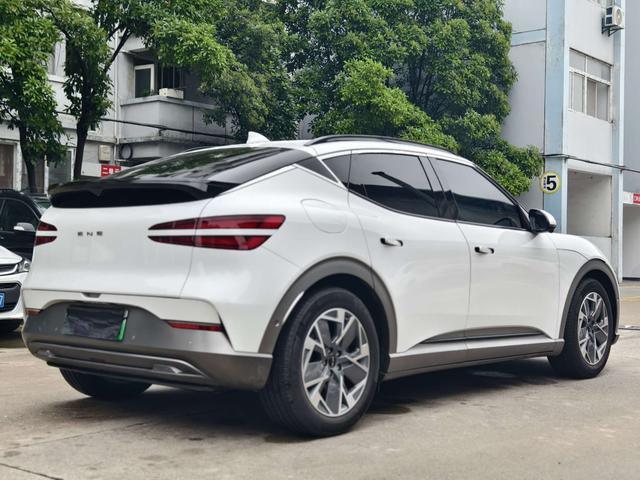
နယ်သစ်စွမ်းအင်ယာဉ်သည် အော်တိုမောဘိုင်းနည်းပညာတွင် အခြေခံကျသော ပြောင်းလဲမှုကို ကိုယ်စားပြုပါသည်။ ယင်းယာဉ်များသည် ရောင်းချမှုအတွက် အသုံးပြုသည့် အတိုင်းအတာများဖြစ်သည့် အတွင်းပူပေါက်အင်ဂျင်များကို ကျော်လွန်၍ အခြားသော စွမ်းအင်အရင်းအမြစ်များကို အသုံးပြုပါသည်။ ဤဆန်းသစ်သော ယာဉ်များသည် လျှပ်စစ်စွမ်းအင်၊ ဟိုက်ဒရိုဂျင် သို့မဟုတ် ဟိုက်ဘရစ်စနစ်များကို အသုံးပြု၍ ခေတ်မီမောင်းသူများ မျှော်လင့်ထားသည့် စွမ်းဆောင်ရည်နှင့် အဆင်ပေးမှုများကို ထိန်းသိမ်းရင်း ပိုမိုသန့်ရှင်းသော သယ်ယူပို့ဆောင်ရေးဖြေရှင်းနည်းများကို ပေးစေပါသည်။ နယ်သစ်စွမ်းအင်ယာဉ်ဟု အဓိပ္ပာယ်ဖွင့်ဆိုရန် လိုအပ်သည့် အချက်များနှင့် ၎င်း၏ လုပ်ဆောင်ပုံများကို နားလည်ရန်မှု အရေးကြီးလာခဲ့ပါသည်။ အကြောင်းမှာ ကမ္ဘာတစ်ဝှမ်းရှိ အစိုးရများသည် ပိုမိုက строго ထုတ်လွှတ်မှုစံချိန်များကို အကောင်အထည်ဖော်လျက်ရှိပါသည်။ ထို့အတူ စားသုံးသူများသည်လည်း ပတ်ဝန်းကျင်ထိန်းသိမ်းရေးနှင့် ရေရှည်တည်တံ့မှုကို ပိုမိုအလေးထားလာကြပါသည်။
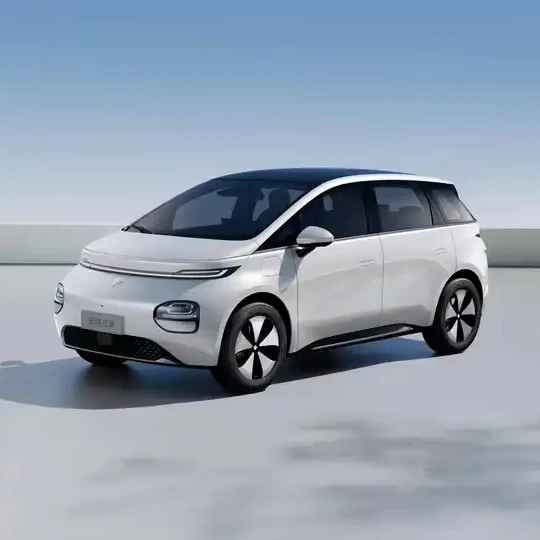
နောက်ဆုံးပေါ်စွမ်းအားသစ်ယာဉ် ဟုခေါ်သည့် စကားလုံးသည် ရေနံအသုံးအဆောင်များပေါ်တွင် မှီခိုမှုကို လျော့နည်းစေခြင်း သို့မဟုတ် ဖျက်သိမ်းပေးနိုင်သည့် အထူးသဖြင့် အဆင့်မြင့်သည့် အားလုံးသော အားတုန်းမှုနည်းပညာများကို ရည်ညွှန်းပါသည်။ စွမ်းအားသည် ဘက်ထရီမှ သိုလှောင်ထားသည့် လျှပ်စစ်စွမ်းအားဖြင့် အပြည့်အဝ လုပ်ဆောင်သည့် BEV များမှ စတင်၍ ဟိုက်ဒရိုဂျင်ဓာတ်ပုံပေါ်တွင် အခြေခံသည့် လျှပ်စစ်စွမ်းအားကို ထုတ်လုပ်သည့် ဖြစ်စေသည့် ဖြစ်စေသည့် ဖြစ်စေသည့် ဖြစ်စေသည့် ဖြစ်စေသည့် ဖြစ်စေသည့် ဖြစ်စေသည့် ဖြစ်စေသည့် ဖြစ်စေသည့် ဖြစ်စေသည့် ဖြစ်စေသည့် ဖြစ်စေသည့် ဖြစ်စေသည့် ဖြစ်စေသည့် ဖြစ်စေသည့် ဖြစ်စေသည့် ဖြစ်စေသည့် ဖြစ်စေသည့် ဖြစ်စေသည့် ဖြစ်စေသည့် ဖြစ်စေသည့် ဖြစ်စေသည့် ဖြစ်စေသည့် ဖြစ်စေသည့် ဖြစ်စေသည့် ဖြစ်စေသည့် ဖြစ်စေသည့် ဖြစ်စေသည့် ဖြစ်စေသည့် ဖြစ်စေသည့် ဖြစ်စေသည့် ဖြစ်စေ......
နောက်ဆုံးပေါ်စွမ်းအားသစ်ယာဉ်များကို အဓိပ္ပာယ်ဖွင့်ဆိုခြင်း
အဓိကအစိတ်အပိုင်းများနှင့် အမျိုးအစားခွဲခြားခြင်း
နောက်ဆုံးပေါ်စွမ်းအင်ယာဉ်သည် ၎င်း၏ လှုပ်ရှားမှုစနစ်ဖြင့် အခြေခံသတ်မှတ်ထားပြီး ယင်းစနစ်သည် ပုံမှန် ဂါစိုလင် သို့မဟုတ် ဒီဇယ်အင်ဂျင်များနှင့် သိသိသာသာ ကွဲပြားပါသည်။ ဤယာဉ်များတွင် လျှပ်စစ်မော်တာများ၊ အဆင့်မြင့် ဘက်ထရီစနစ်များ သို့မဟုတ် ဟိုက်ဒရိုဂျင် လောင်စာဆဲလ်များကို အဓိက စွမ်းအင်အရင်းအမြစ်များအဖြစ် ထည့်သွင်းအသုံးပြုကြသည်။ နောက်ဆုံးပေါ်စွမ်းအင်ယာဉ်အမျိုးအစားများကို ဘက်ထရီလျှပ်စစ်ယာဉ် (BEV)၊ ပလပ်အင်ဟိုက်ဘရစ်လျှပ်စစ်ယာဉ် (PHEV) နှင့် လောင်စာဆဲလ်လျှပ်စစ်ယာဉ် (FCEV) ဟု အမျိုးအစားခွဲထားပါသည်။ ဤအမျိုးအစားများတွင် ပတ်ဝန်းကျင်အပေါ် သက်ရောက်မှုနည်းပါးစေရန်နှင့် စွမ်းအင်ထိရောက်မှုကို မြင့်တင်ရန် ကွဲပြားသော ချဉ်းကပ်မှုများကို ကိုယ်စားပြုပါသည်။
နောက်ဆုံးပေါ်စွမ်းအားအသစ်မော်တော်ယာဉ်များ၏ ထင်ရှားသော လက္ခဏာများသည် လှုပ်ရှားမှုစနစ်ကို အလွန်သိမ်းပိမ်း၍ ပြန်လည်အသုံးပြုနိုင်သော ဘရိတ်စနစ်များ၊ ရှုပ်ထွေးသော စွမ်းအားစီမံခန့်ခွဲမှုစနစ်များနှင့် အထူးသဖြင့် အသုံးပြုရန် ပိုမိုထောက်ကူပေးသည့် စမတ်ခေါ်ခြင်းအခြေခံအဆောက်အအိမ်များနှင့် ပေါင်းစပ်မှုတို့အထိ ပါဝင်ပါသည်။ ဤမော်တော်ယာဉ်များသည် ပုံမှန်အားဖြင့် အလေးချိန်နည်းသော တည်ဆောက်မှုပစ္စည်းများ၊ စွမ်းအားခွဲခြမ်းစိတ်ဖြာမှုအတွက် အထူးရှုပ်ထွေးသော လေထုပေါ်လွှမ်းမှုကို အကောင်းဆုံးအောင် ဒီဇိုင်းထုတ်ထားသည့် ပုံစံများနှင့် စွမ်းအင်အသစ်များ၏ အကောင်းဆုံးအသုံးချမှုကို အောင်မြင်စေရန် အဆင့်မြင့် ထိန်းချုပ်မှုစနစ်များကို ပါဝင်ပါသည်။ ဤအဓိကအစိတ်အပိုင်းများကို နားလည်ခြင်းဖြင့် နောက်ဆုံးပေါ်စွမ်းအားအသစ်မော်တော်ယာဉ်နည်းပညာသည် ရှေးရိုးစွမ်းအားမော်တော်ယာဉ် အင်ဂျင်နီယာပညာကို အလွန်ကြီးမားသော တိုးတက်မှုတစ်ရပ်အဖြစ် ဘာကြောင့် သတ်မှတ်ရသည်ကို ရှင်းလင်းစေပါသည်။
စည်းမျဉ်းများနှင့် လုပ်ငန်းလောက စံနှုန်းများ
ကမ္ဘာတစ်ဝှမ်းရှိ အစိုးရအဖွဲ့အစည်းများသည် စည်းမျဉ်းနှင့် အားပေးမှုများအတွက် အသစ်သောစွမ်းအင်ယာဉ်ဟု သတ်မှတ်ရန် သီးခြားစံနှုန်းများကို သတ်မှတ်ထားပါသည်။ ဤစံနှုန်းများသည် ပုံမှန်အားဖြင့် မှုန်းထုတ်မှုနှုန်းများ၊ လျှပ်စစ်စွမ်းအင်ဖြင့် မောင်းနှင်နိုင်သည့် အကွာအဝေးနှင့် စွမ်းအင်ထိရောက်မှုဆိုင်ရာ စံနှုန်းများကို အခြေခံပါသည်။ ဥပမောပမာအားဖွင့်လျှင် နေရာဒေသအများစုတွင် အသစ်သောစွမ်းအင်ယာဉ်များသည် ဒေသတွင်းတွင် မှုန်းထုတ်မှုမရှိခြင်း (zero local emissions) သို့မဟုတ် အထူးသတ်မှတ်ထားသော လောင်စာစွမ်းအင်ခွဲခြမ်းစိတ်ဖြာမှု စံနှုန်းများကို အောင်မြင်စွာ အကောင်အထောက်ဖြစ်အောင် ပြသရန် လိုအပ်ပါသည်။ ထိုသို့သော အရည်အသွေးများကို အောင်မြင်စွာ ပြသနိုင်ပါက အခွန်အော်ထောက်ခံမှုများ၊ ဦးစားပေး ရပ်နေရေးနေရာများ သို့မဟုတ် ကန့်သတ်ထားသော မောင်းနှင်ခွင့်ရှိသည့် ဧရိယာများသို့ ဝင်ရောက်ခွင့်များကို ရရှိနိုင်ပါသည်။
နောက်ဆုံးပေါ်စွမ်းအားသစ်ယာဥ်များကို အမျိုးအစားခွဲခြားရာတွင် လုပ်ထုပ်လုပ်ကုန်လုပ်ငန်းများ၏ စံနှုန်းများတွင် ဘေးကင်းရေးလိုအပ်ချက်များ၊ အားသွင်းခြင်း သ совместим်များနှင့် စွမ်းဆောင်ရည်အတိုင်းအတာများပါဝင်ပါသည်။ ဤစုံလင်သောစံနှုန်းများသည် စားသုံးသူများအနေဖြင့် စုံလင်သောနောက်ဆုံးပေါ်စွမ်းအားသစ်ယာဥ်များကို ယုံကုံစွမ်းစွမ်းဖွဲ့နောက်ခံအားဖြင့် မှန်ကန်စွမ်းစွမ်း သိရှိနိုင်စေပါသည်။ ထို့အတူ ထုတ်လုပ်သူများသည် အရည်အသွေးနှင့် ဘေးကင်းရေးစံနှုန်းများကို တစ်သေးတည်းဖော်ဆောင်နိုင်စေပါသည်။ ဤစံနှုန်းများ၏ အဆက်မပါသော အပ်ဒိတ်လုပ်ခြင်းသည် နောက်ဆုံးပေါ်စွမ်းအားသစ်ယာဥ်နည်းပညာများ၏ မြန်မြန်ဆန်ဆန် တိုးတက်မှုနှင့် အစားထိုးမော်တာစနစ်များ၏ ပိုမိုရှုပ်ထွေးလာမှုကို ထင်ဟပ်ပေးပါသည်။
လျှပ်စစ်ယာဥ်နည်းပညာ
ဘက်ထရီစနစ်များနှင့် စွမ်းအားသိုလှောင်မှု
အသစ်သောစွမ်းအင်ယာဉ်များ၏ ဒီဇိုင်းအများစုတွင် အဓိကအားဖဲ့သည့် နှလုံးသားမှာ လျှပ်စစ်စွမ်းအင်ကို မောင်းနှင်ရန်အတွက် သိုလှောင်ပေးသည့် ခေတ်မှီ ဘက်ထရီနည်းပညာဖြစ်ပြီး လီသီယမ်-အိုင်အွန်စနစ်များကို အဓိကအားဖဲ့သုံးပါသည်။ ဤဘက်ထရီများသည် မော်ဂျူလ်များအဖြစ် စီစဥ်ထားသည့် ဆဲလ်အုပ်စုများပေါငေါင်း ရှိသည့် အုပ်စုအုပ်စုစီ ဆဲလ်များဖွဲ့စည်းထားခြင်းဖြစ်ပြီး အပူချိန်၊ ဗို့အားနှင့် အားသွင်းမှုအဆင့်များကို စောင်းကြည့်နေသည့် ခေတ်မှီ ဘက်ထရီစီမံခန့်ခွဲမှုစနစ်များ (BMS) များဖြင့် ထောက်ပံ့ပေးထားပါသည်။ ဤဘက်ထရီများ၏ စွမ်းအင်သိပ်သည့်အနက်နှင့် အားသွင်းမှု အရည်အသွေးများသည် အသစ်သောစွမ်းအင်ယာဉ်၏ မောင်းနှင်နိုင်သည့် အကွာအဝေး၊ စွမ်းဆောင်ရည်နှင့် လက်တွေ့အသုံးဝင်မှုကို တိုက်ရိုက်သက်ရောက်မှုရှိပါသည်။ ထို့ကြောင့် ဘက်ထရီနည်းပညာသည် ယာဉ်၏ စုစုပေါင်း အကောင်အထောက်အကူဖြစ်မှုအတွက် အရေးကြီးသော အချက်တစ်ခုဖြစ်ပါသည်။
ခေတ်မှီ စွမ်းအင်အသစ်များဖြင့် လည်ပတ်သည့် ယာဥ်များ၏ ဘက်ထရီများတွင် အပူခွဲခန့်မှုစနစ်များ ပါဝင်ပြီး ဤစနစ်များသည် အကောင်းဆုံး လည်ပတ်မှုအပူချိန်များကို ထိန်းသိမ်းပေးကာ ဘက်ထရီအသက်တမ်းကို ရှည်လျားစေပြီး သဘောထားမှုအမျိုးမျိုးပေါ်တွင် စွမ်းဆောင်ရည်ကို တည်ငြိမ်စေပါသည်။ ဤယာဥ်များကို ပံ့ပိုးပေးသည့် အားသွင်းခြင်းအခြေခံအဆောက်အအုံများတွင် Level 1 အိမ်သုံး အားသွင်းပေါက်များ၊ Level 2 အထူးအားသွင်းစခန်းများနှင့် DC အမြန်အားသွင်းစနစ်များ ပါဝင်ပါသည်။ ဤ DC အမြန်အားသွင်းစနစ်များသည် အားသွင်းမှုအချိန်ကို နှစ်နှစ်စွဲများအစား မိနစ်များအထိ လျော့ချပေးနိုင်ပါသည်။ ဤစွမ်းအင်သိမ်းဆည်းမှုအခြေခံများကို နားလည်ခြင်းဖြင့် ဘယ်လိုပုံစံဖြင့် စွမ်းအင်သစ်သုံးယာဉ် သည် ပတ်ဝန်းကျင်အတွက် အကျိုးကျေးဇူးများကို ထိန်းသိမ်းရင်း လက်တွေ့ကျသည့် မောင်းနှင်မှုအကွာအဝေးများကို ရရှိနေသည်ကို ရှင်းလင်းစေပါသည်။
လျှပ်စစ်မော်တာစနစ်များ
နောက်ဆုံးပေါ်စွမ်းအင်သစ်ယာဥ်များတွင် အသုံးပြုသည့် လျှပ်စစ်မော်တော်များသည် ချက်ချင်းအားကုန်ပေးနိုင်ပြီး စွမ်းအင်ပေးပို့မှု အထိရောက်ဆုံးဖြစ်စေပါသည်။ ယင်းမော်တော်များသည် အများအားဖြင့် စွမ်းအင်အသုံးပြုမှု ၉၀-၉၅% အထိ ထိရောက်မှုရှိပြီး အတွင်းစွမ်းအင်လောင်စာအင်ဂျင်များတွင် ၂၅-၃၀% အထိသာ ထိရောက်မှုရှိပါသည်။ ဤမော်တော်များသည် လျှပ်စစ်စွမ်းအင်ကို လှည့်ပေးသည့် လျှပ်စစ်သံလိုက်ဖြစ်ပေါ်မှုအခြေခံသီအိုရီများကို အသုံးပြုပြီး လျှပ်စစ်စွမ်းအင်ကို လှည့်ပေးသည့် စက်မှုစွမ်းအင်အဖြစ် ပြောင်းလဲပေးပါသည်။ အထူးသဖြင့် အမှုန်မော်တော်များ (Permanent Magnet Synchronous Motors) နှင့် အိုင်ဒေါက်ရှင်မော်တော်များ (Induction Motors) သည် အသုံးများသည့် မော်တော်အမျိုးအစားများဖြစ်ပါသည်။ လျှပ်စစ်မော်တော်များကို အသုံးပြုခြင်းဖြင့် အလွန်တိကျသည့် ထိန်းချုပ်မှုများကို ပေးစေပါသည်။ ထို့ကြောင့် ချောမွေ့သည့် အရှိန်မြင့်ခြင်း၊ ပြန်လည်အားဖြည့်သည့် ဘရိတ်စနစ်များ (Regenerative Braking) နှင့် အဆင့်မြင့် လှုပ်ရှားမှုထိန်းချုပ်မှုစနစ်များ (Traction Control Systems) တို့ကို ဖန်တီးပေးနိုင်ပါသည်။
လျှပ်စစ်မော်တာများကို စွမ်းအင်အသစ်ယာဥ်များ၏ ဒီဇိုင်းများတွင် ပေါင်းစပ်ခြင်းဖြင့် နေရာချထားမှုအတွက် လွတ်လပ်မှုရှိစေပြီး ရှေ့ဘီးမော်တာ၊ နောက်ဘီးမော်တာနှင့် လုံးဝသော ဘီးမော်တာစနစ်များအပါအဝင် မော်တာအများစုကို အသုံးပြုနိုင်ပါသည်။ မော်တာထိန်းချုပ်မှုစနစ်များသည် မောင်းနှင်မှုအခြေအနေများ၊ ဘက်ထရီအားသွင်းမှုအဆင့်များနှင့် စွမ်းဆောင်ရည်အမြင့်ဆုံးဖော်မူလာများအပေါ် အခြေခံ၍ စွမ်းအင်ပေးပို့မှုကို ညှိပေးပါသည်။ ဤကဲ့သို့သော ထိန်းချုပ်မှုအဆင့်အတန်းများသည် ခေတ်မှီ စွမ်းအင်အသစ်ယာဥ်များ၏ စွမ်းဆောင်ရည်ကို သိသာစွာ မြှင့်တင်ပေးပြီး မောင်းနှင်မှုအတွေ့အကြုံကောင်းများနှင့် စွမ်းအင်ခွဲဝေမှုကောင်းများကို ဖန်တီးပေးပါသည်။
ဟိုက်ဘရစ် မော်တာစနစ်များ
ပါရလဲလ်နှင့် စီရီးယ့် ဟိုက်ဘရစ် ဖွဲ့စည်းပုံများ
ဟိုင်ဘရစ် အသစ်သော စွမ်းအင်စနစ်များသည် လောင်စာခြောက်ခြင်းထက် ပိုမိုထိရောက်စေရန်နှင့် မီးဖွေးထုတ်လုပ်မှုကို လျော့နည်းစေရန်အတွက် အတွင်းပူဖောင်းမော်တာများနှင့် လျှပ်စစ်မော်တာများကို ပေါင်းစပ်ပေးပါသည်။ ထို့အပြင် မော်တော်ယာဉ်၏ မော်ပ်လောင်းမှုအကွာအဝေးကို ဆက်လက်ထိန်းသိမ်းပေးပါသည်။ အပေါ်ယံတွင် ချိတ်ဆက်ထားသော ဟိုင်ဘရစ်စနစ်များတွင် အင်ဂျင်နှင့် လျှပ်စစ်မော်တာနှစ်များသည် မော်တော်ယာဉ်၏ ဘီးများကို တိုက်ရိုက်မော်လောင်းပေးနိုင်ပါသည်။ ထိုသို့သော မော်လောင်းမှုသည် မော်တော်ယာဉ်မော်လောင်းမှုအခြေအနေများနှင့် စွမ်းအင်လိုအပ်မှုအပေါ် မူတည်၍ တစ်ခုတည်းသို့မဟုတ် တစ်ပါတည်း အသုံးပြုနိုင်ပါသည်။ ထိုသို့သော လွတ်လပ်မှုရှိမှုကြောင့် အသစ်သော စွမ်းအင်မော်တော်ယာဉ်သည် မြို့ပေါ်တွင် နိမ့်သောမော်လောင်းမှုအခြေအနေများတွင် လျှပ်စစ်သာသာဖြင့် မော်လောင်းနိုင်ပါသည်။ အခြားတစ်ဖက်တွင် အမြန်လမ်းများတွင် မော်လောင်းခြင်း သို့မဟုတ် စွမ်းအင်များစွာလိုအပ်သော အခြေအနေများတွင် လောင်စာခြောက်ခြင်းအင်ဂျင်ကို အသုံးပြုနိုင်ပါသည်။
စီးရီးစ်ဟိုက်ဘရစ်စနစ်များကို အသုံးအနှုန်းအဖြစ် အကွာအဝေးတိုးချဲ့ထားသော လျှပ်စစ်ယာဉ်များ (REEV) ဟုလည်း ခေါ်ကြပါသည်။ ဤစနစ်များတွင် အတွင်းပေါက်ကွဲမှုအင်ဂျင်ကို လျှပ်စစ်မော်တော်အတွက် လျှပ်စစ်စွမ်းအားထုတ်လုပ်ရန်သာ အသုံးပြုပြီး ဘီးများကို လှည့်ပေးသည့် အားအားလုံးကို လျှပ်စစ်မော်တော်မှသာ ပေးအပ်ပါသည်။ ဤအစီအစဉ်သည် မည်သည့်မောင်းနှင်မှုအခြေအနေတွင်မဆို အင်ဂျင်ကို အကောင်းဆုံးစွမ်းဆောင်ရည်ရှိသည့် အမှတ်များတွင် လည်ပတ်နေစေပါသည်။ ထို့အတူ လျှပ်စစ်မော်တော်မှ ချောမွေ့ပြီး အသံများမှုန်းသည့် အားကို ပေးအပ်ပါသည်။ ဤအမျိုးမျိုးသော ဟိုက်ဘရစ်နည်းလမ်းများကို နားလည်ခြင်းဖြင့် အသစ်သော စွမ်းအားအရင်းအမြစ်များကို အသုံးပြုသည့် ယာဉ်ထုတ်လုပ်သူများသည် ၎င်းတို့၏ ဒီဇိုင်းများတွင် စွမ်းဆောင်ရည်၊ စွမ်းအားသုံးစွမ်းနှုန်းနှင့် လက်တွေ့ကျမှုတို့ကို မည်သို့မည်ပုံ ဟန်ချက်ညှိထားကြသည်ကို ရှင်းလင်းစေပါသည်။
စွမ်းအင် စီမံခန့်ခွဲမှုနှင့် အကောင်းဆုံး အသုံးပြုမှု
ဟိုင်ဘရစ် နယ်အေးန်ဂျီ ယာဉ်များ၏ အဆင့်မြင့် စွမ်းအင်စီမံခန့်ခွဲမှုစနစ်များသည် လက်တွေ့အချိန်နှင့်ကြောင်းစပ်သည့် မောင်းနှင်မှုအခြေအနေများ၊ ဘက်ထရီအခြေအနေနှင့် စွမ်းဆောင်ရည်အတွက် အလုပ်လုပ်သည့် အယ်လ်ဂေါရီသမ်များအပေါ် မှီခို၍ လျှပ်စစ်နှင့် လောင်စာအင်ဂျင် အရင်းအမြစ်များအကြား စွမ်းအင်ဖ distribution ကို အဆက်မပါး အကောင်အထည်ဖော်ပေးပါသည်။ ဤစနစ်များသည် ယာဉ်၏ အမြန်နှုန်း၊ အရှိန်မြင့်ရန်လိုအပ်ချက်များ၊ ဘက်ထရီအားသွင်းမှုအဆင့်များနှင့် ခန့်မှန်းထားသည့် လမ်းကြောင်းလိုအပ်ချက်များ စသည့် အချက်များကို ဆန်းစစ်ပြီး အကောင်အထည်ဖော်ရန် အကောင်းဆုံး စွမ်းအင်အရင်းအမြစ်ပေါင်းစပ်မှုကို ဆုံးဖြတ်ပေးပါသည်။ မတူညီသည့် မောင်းနှင်မှုစနစ်များအကြား အဆက်မပါး ညှိနှိုင်းမှုသည် မောင်းသူများအား ချောမွေ့သည့် လုပ်ဆောင်မှုကို ခံစားရစေပါသည်။ ထို့အပါအဝင် လောင်စာစွမ်းဆောင်ရည်ကို အများဆုံးဖော်ထုတ်ပေးပြီး မှုန်မှုန်ထွက်မှုများကို အနည်းဆုံးဖော်ထုတ်ပေးပါသည်။
အဆင့်မြင့်ဟိုက်ဘရစ် နယ်သော စွမ်းအင်အသစ် ယာဉ်စနစ်များတွင် GPS ဒေတာနှင့် လမ်းပို့ဆောင်ရေးအချက်အလက်များကို အသုံးပြု၍ မောင်းနှင်မည့်အခြေအနေများကို ကြိုတင်ခန့်မှန်းပြီး စွမ်းအင်အသုံးပြုမှုကို အကောင်းဆုံးဖော်ထုတ်ရန် ကြိုတင်ခန့်မှန်းသော စွမ်းအင်စီမံခန့်ခွဲမှုကို ပါဝင်စေသည်။ ဥပမောပမာအားဖော်ရသောအားဖော်ရသောအားဖော်ရသောအားဖော်ရသောအားဖော်ရသောအားဖော်ရသောအားဖော်ရသောအားဖော်ရသောအားဖော်ရသောအားဖော်ရသောအားဖော်ရသောအားဖော်ရသောအားဖော်ရသောအားဖော်ရသောအားဖော်ရသောအားဖော်ရသောအားဖော်ရသောအားဖော်ရသောအားဖော်ရသောအားဖော်ရသောအားဖော်ရသောအားဖော်ရသောအားဖော်ရသောအားဖော်ရသောအားဖော်ရသောအားဖော်ရသောအားဖော်ရသောအားဖော်ရသောအား...... မြို့ပေါ်တွင် မောင်းနှင်ရန်အတွက် ဘက်ထရီအားသုံးစွမ်းအင်ကို သိမ်းဆောင်ထားပြီး အမြန်လမ်းပိုင်းတွင် လောင်စာအင်ဂျင်ကို အသုံးပြုခြင်း သို့မဟုတ် ကြိုတင်ခန့်မှန်းထားသော ရပ်နားမည့်နေရာများတွင် ပြန်လည်အားသုံးခြင်း (regenerative braking) ကို တိုးမှုန်းခြင်းတို့ဖြစ်သည်။ ဤအသိဉာဏ်ရှိသော စနစ်များသည် ခေတ်မှီ စွမ်းအင်အသစ် ယာဉ်နည်းပညာများသည် လွန်စွာရှုပ်ထွေးသော လျှပ်စစ်ပေးစွမ်းမှုကို ကျော်လွန်၍ စုစုပေါင်း စွမ်းဆောင်ရည်အောင်မှုကို ရရှိရန် အသုံးပြုသည်ကို ပြသပေးသည်။
ဟိုက်ဒရိုဂျင် လောင်စာဆဲလ်နည်းပညာ
လောင်စာဆဲလ် စတော့ခ် လုပ်ဆောင်မှု
ဟိုက်ဒရိုဂျင်လျှပ်စစ်ဓာတ်အားဖော်ထုတ်မှုဆဲလ် အသစ်သောစွမ်းအင်ယာဉ်စနစ်များသည် ဟိုက်ဒရိုဂျင်နှင့်အောက်စီဂျင်အကြား လျှပ်စစ်ဓာတ်အားဖော်ထုတ်မှုဆဲလ်ဖော်ပေးသည့် လျှပ်စစ်ဓာတ်အားဖော်ထုတ်မှုဆဲလ်ဖော်ပေးသည့် လျှပ်စစ်ဓာတ်အားဖော်ထုတ်မှုဆဲလ်ဖော်ပေးသည့် လျှပ်စစ်ဓာတ်အားဖော်ထုတ်မှုဆဲလ်ဖော်ပေးသည့် လျှပ်စစ်ဓာတ်အားဖော်ထုတ်မှုဆဲလ်ဖော်ပေးသည့် လျှပ်စစ်ဓာတ်အားဖော်ထုတ်မှုဆဲလ်ဖော်ပေးသည့် လျှပ်စစ်ဓာတ်အားဖော်ထုတ်မှုဆဲလ်ဖော်ပေးသည့် လျှပ်စစ်ဓာတ်အားဖော်ထုတ်မှုဆဲလ်ဖော်ပေးသည့် လျ...... ရေစီးထွက်မှုသာဖြစ်ပါသည်။ လျှပ်စစ်ဓာတ်အားဖော်ထုတ်မှုဆဲလ်စတက်တွင် ဆဲလ်အများအပြားပါဝင်ပြီး အသီးသီးတွင် အနိုဒ်၊ ကက်သုိဒ်နှင့် ပရိုတွန်ဖလှယ်မှုအလွှာများပါဝင်ပါသည်။ ထိုအလွှာများသည် ဟိုက်ဒရိုဂျင်လောင်စာကို လျှပ်စစ်စွမ်းအင်အဖြစ်သို့ ပြောင်းလဲပေးပါသည်။ ဤလုပ်ငန်းစဉ်သည် အသစ်သောစွမ်းအင်ယာဉ်များအား လိုအပ်သည့်အချိန်တွင် စွမ်းအင်ထုတ်လုပ်နေစေပါသည်။ ထို့အပြင် ဒေသခံအဆိုးမှုများကို သုညအထိ လျှော့ချပေးပါသည်။ ထို့ကြောင့် ဤနည်းပညာသည် အသုံးပြုနိုင်သည့် အသိုက်သိုက်သော မော်တော်ယာဉ်မောင်းနှင်မှုနည်းပညာများထဲမှ တစ်ခုဖြစ်ပါသည်။
ဟိုက်ဒရိုဂျင် လောင်စာဆဲလ်စနစ်များ၏ စွမ်းဆောင်ရည်သည် အသစ်သော စွမ်းအင်ယာဉ်များတွင် အများအားဖြင့် ၅၀-၆၀% အထိ ရှိပါသည်။ ဤစွမ်းဆောင်ရည်သည် အတွင်းပူပေါက် အင်ဂျင်များထက် သိသိသာသာ မြင့်မားသော်လည်း လေ ကြောင်းဖိအားမြှင့်စက်များ၊ စိုထောင်မှုစနစ်များနှင့် အပူစီမံခန့်ခွဲမှုစနစ်များ အပါအဝင် အသုံးပျော်မှုအတွက် အထူးကြိုးစားမှုလိုအပ်သည့် စနစ်များ (balance-of-plant components) ကို လိုအပ်ပါသည်။ လောင်စာဆဲလ်များမှ ထုတ်လုပ်သည့် လျှပ်စစ်စွမ်းအင်သည် ဘက်ထရီလျှပ်စစ်ယာဉ်များတွင် အသုံးပြုသည့် လျှပ်စစ်မော်တော်များနှင့် ဆင်သည့် အသုံးပြုမှုရှိပါသည်။ သို့သော် ယာဉ်များကို ပုံမှန်ယာဉ်များနှင့် နှိုင်းယှဉ်ပါက အလွန်မြန်ဆန်သော လောင်စာဖြည့်သွင်းမှု အကျေးဇူးကို ရရှိပါသည်။ သန့်စင်သော လုပ်ဆောင်မှုနှင့် လက်တွေ့ကျသော လောင်စာဖြည့်သွင်းမှု အဆိုပါ အရှိန်အဟောင်းနှစ်မျိုးပေါင်းစပ်မှုသည် အထူးသဖြင့် အလေးချိန်များသော အသုံးပျော်မှုအတွက် အသစ်သော စွမ်းအင်ယာဉ်များတွင် ဟိုက်ဒရိုဂျင် လောင်စာဆဲလ်နည်းပညာကို အထူးစွမ်းဆောင်ရည်ရှိစေပါသည်။
ဟိုက်ဒရိုဂျင် သိုလှောင်မှုနှင့် အခြေခံအဆောက်အအုံ
ဖြစ်နေသော အင်ဂျင်များတွင် ဟိုက်ဒရိုဂျင်ကို သိုလှောင်ခြင်းသည် အများအားဖြင့် ၃၅၀ သို့မဟုတ် ၇၀၀ ဘာ ဖိအားတွင် ဟိုက်ဒရိုဂျင်ဓာတ်ငွေကို သိုလှောင်ရန် အမြင့်ဖိအား ပေါင်းစပ်ထားသော တန်ခေါင်းများကို အသုံးပြုပါသည်။ ထိုသိုလှောင်မှုစနစ်များသည် လုံခြုံရေးအတွက် ဖိအားလျော့ချရေးကိရိယာများ၊ ဓာတ်ငွေယိုစိမ့်မှု စောင်းဖော်ရေးစနစ်များနှင့် ထိခိုက်မှုကို ခံနိုင်ရည်ရှိသော တည်ဆောက်မှုများကို ပါဝင်စေပါသည်။ ထိုသိုလှောင်မှုစနစ်များသည် မည်သည့်မောင်းနှင်မှုအခြေအနေတွင်မဆို လုံခြုံစေရန် အတွက် ဖန်တီးထားခြင်းဖြစ်ပါသည်။ ဟိုက်ဒရိုဂျင်ဖြည့်သွင်းရေး အခြေခံအဆောက်အအိမ်များ၏ ဖွံ့ဖြိုးတိုးတက်မှုသည် ဖြစ်နေသော အင်ဂျင်များတွင် ဟိုက်ဒရိုဂျင်ကို အသုံးပြုသည့် အသစ်သော စွမ်းအင်ယာဉ်များ၏ အသုံးပြုမှု တိုးတက်မှုနှင့် တစ်ပါတည်းဖြစ်ပါသည်။ ထိုဖြည့်သွင်းရေးစတေးရှင်းများသည် ယာဉ်များကို ၃ မှ ၅ မိနစ်အတွင်း ဖြည့်သွင်းနိုင်ပါသည်။
ဟိုက်ဒရိုဂျင် လောင်စာဆဲလ် အသစ်သော စွမ်းအားအုပ်စု ယာဥ်များအတွက် အထောက်အပံ့ပေးရန် လိုအပ်သည့် အခြေခံအဆောက်အအုံများတွင် ထုတ်လုပ်ရေးစက်ရုံများ၊ ဖြန့်ဖြူးရေးကွန်ရက်များနှင့် အများပြည်သူအသုံးပြုသည့် လောင်စာဖြည့်သည့် စတေးရှင်းများ ပါဝင်ပြီး အဆိုပါ အခြေခံအဆောက်အအုံများတွင် နည်းပညာရှုထောင်ကုန်နှင့် စီးပွားရေးရှုထောင်ကုန် စိန်ခေါ်မှုများ တစ်ခုချင်းစီ ကွဲပါသည်။ သို့သော် နေရောင်ခြင်း သို့မဟုတ် လေစွမ်းအားဖြင့် အားပေးသည့် အီလက်ထရောလိုစီစ် (electrolysis) ဖြင့် ပြန်လည်အသုံးပျော်နိုင်သည့် ဟိုက်ဒရိုဂျင်ကို ထုတ်လုပ်နိုင်ခြင်းသည် အသစ်သော စွမ်းအားအုပ်စု ယာဥ်များအတွက် လုံးဝ ရေရှည်တည်တံ့သည့် လုပ်ဆောင်မှုကို ဖန်တီးပေးနိုင်ပါသည်။ ဤသို့သော အခြေခံအဆောက်အအုံဆိုင်ရာ အကြောင်းအရာများကို နားလည်ခြင်းဖြင့် ဟိုက်ဒရိုဂျင် လောင်စာဆဲလ် အသစ်သော စွမ်းအားအုပ်စု ယာဥ်နည်းပညာ၏ အလားအလာများနှင့် လက်ရှိ အားနည်းချက်များကို ရှင်းလင်းစွာ နားလည်နိုင်ပါသည်။
လုပ်ဆောင်မှု စနစ်များနှင့် စွမ်းဆောင်ရည်
ပါဝါ ပေးပို့မှုနှင့် ထိန်းချုပ်မှုစနစ်များ
နောက်ဆုံးပေါ်စွမ်းအားရင်းမြစ်များဖြင့် လည်ပတ်သည့် ယာဉ်စနစ်များ၏ လည်ပတ်မှု အလုပ်လုပ်ပုံများတွင် မော်တော်မှုအတွက် သိုလှောင်ထားသည့် စွမ်းအားကို ထိန်းချုပ်ထားသည့် လျှပ်စစ်စွမ်းအားအဖြစ်သို့ ပြောင်းလဲပေးသည့် ရှုပ်ထွေးသည့် လျှပ်စစ်အင်ဂျင်နီယာပညာရပ်များ ပါဝင်ပါသည်။ ဤစနစ်များတွင် DC-DC ပြောင်းလဲစက်များ၊ အိုင်န်ဗားတာများနှင့် မော်တော်ထိန်းချုပ်စက်များ ပါဝင်ပြီး ဤစက်များသည် မော်တော်၏ စွမ်းဆောင်ရည်ကို မည်သည့်မောင်းနှင်မှုအခြေအနေတွင်မဆို အကောင်းဆုံးဖြစ်စေရန် ဗိုးအား၊ လျှပ်စီးကြောင်းနှင့် မှုန်းကို တိကျစွာ ထိန်းညှိပေးပါသည်။ ဤလျှပ်စစ်စနစ်များ၏ ချက်ချင်းတုံ့ပြန်မှု အရည်အသွေးများသည် နောက်ဆုံးပေါ်စွမ်းအားရင်းမြစ်များဖြင့် လည်ပတ်သည့် ယာဉ်များ၏ ဒီဇိုင်းများကို ချက်ချင်းအားကုန်ပေးမှုနှင့် ချောမွေ့သည့် အရှိန်ဖော်မှုကို ပေးစွမ်းနေပါသည်။ ထို့အပြင် စွမ်းဆောင်ရည်များကို အထွက်အများဆုံးဖြစ်စေရန် ထိန်းသိမ်းပေးပါသည်။
နောက်ဆုံးပေါ်စွမ်းအားသစ်ယာဉ်စနစ်များတွင် အဆင့်မြင့်ထိန်းချုပ်မှုအယ်လ်ဂေါရီသမ်များသည် မောင်းသူ၏ ထည့်သွင်းမှုများ၊ လမ်းအခြေအနေများနှင့် စွမ်းဆောင်ရည်အမြင့်ဆုံးဖော်ထုတ်ရေး စံနှုန်းများအပေါ် အချိန်နှင့်တစ်ပါစေ စွမ်းအင်ပေးပို့မှုကို စောင်းကြည့်ခြင်းနှင့် ညှိနှိုင်းခြင်းများကို ဆက်လက်လုပ်ဆောင်ပါသည်။ ဤစနစ်များသည် တစ်စက္ကန်းလျှင် ထောင်နှင့်ချီသော အကြိမ်အရေအတွက်ဖြင့် စွမ်းအင်ထုတ်လုပ်မှုကို ညှိနှိုင်းနိုင်ပါသည်။ ထို့ကြောင့် ဘက်ထရီစနစ်များကို ကာကွယ်ပေးခြင်းနှင့် အစိတ်အပိုင်းများ၏ သက်တမ်းကို ရှည်လျားစေခြင်းတို့အပါအဝင် အကောင်းမွန်ဆုံးစွမ်းဆောင်ရည်ကို အာမခံပေးပါသည်။ ပြန်လည်အသုံးပြုနိုင်သော ဘရိတ်စနစ်များကို ပေါင်းစပ်ခြင်းဖြင့် စွမ်းအင်သစ်ယာဉ်စနစ်များသည် အရှိန်လျော့ချသည့်အချိန်တွင် စွမ်းအင်ကို ပြန်လည်ရယူနိုင်ပါသည်။ ထိုသို့ဖြင့် လှုပ်ရှားမှုစွမ်းအင်ကို လျှပ်စစ်စွမ်းအင်အဖြစ် ပြန်လည်ပေးစွမ်းနိုင်ပါသည်။ ထို့ကြောင့် စနစ်တစ်ခုလုံး၏ စွမ်းဆောင်ရည်ကို မြင့်တင်ပေးပါသည်။
ကားစနစ်များနှင့် ပေါင်းစပ်ခြင်း
ခေတ်မီ အသစ်သော စွမ်းအင်အသုံးပြုမှုနည်းပညာ ယာဉ်များ၏ ဒီဇိုင်းများတွင် လှုပ်ရှားမှုစနစ်များကို ယာဉ်စီမံခန့်ခွဲမှု ကွန်ရက်စနစ်များနှင့် ပေါင်းစပ်ထားပါသည်။ ဤကွန်ရက်စနစ်များသည် အပူပေးခြင်း၊ အအေးပေးခြင်း၊ မီးအွန်အွဖ် နှင့် အပိုပစ္စည်းစနစ်များကို ညှိနှိုင်းပေးကာ စုစုပေါင်းစွမ်းအင်သုံးစွဲမှုကို အကောင်းဆုံးဖော်ထုတ်ပေးပါသည်။ ဤပေါင်းစပ်ထားသော စနစ်များသည် အားသွင်းခြင်းအတွက် ချိတ်ဆက်ထားစဉ် ယာဉ်အတွင်းပိုင်းကို ကြိုတင်ပြင်ဆင်ပေးနိုင်ပါသည်။ ထို့ကြောင့် လုပ်ဆောင်နေစဉ် ဘက်ထရီမှ စွမ်းအင်သုံးစွဲမှုကို လျှော့ချပေးပါသည်။ လှုပ်ရှားမှုစနစ်များနှင့် အထောက်အကူပေးသော စနစ်များကြား ညှိနှိုင်းမှုသည် အသစ်သော စွမ်းအင်အသုံးပြုမှုနည်းပညာ ယာဉ်များ၏ စွမ်းဆောင်ရည်ကို တည်ငြိမ်စေပါသည်။ ထို့အတူ ရရှိနေသော စွမ်းအင်သိုလှောင်မှုကို အကောင်းဆုံးအသုံးချနိုင်ရန် အာမခံပေးပါသည်။
ခေတ်မှီ နယ်ပယ်အသစ် စွမ်းအင်ယာဉ်စနစ်များတွင် ချိတ်ဆက်မှုလုပ်ဆောင်ချက်များသည် အဝ remote စောင်းကြည့်ခြင်း၊ အင်တာနက်မှတစ်ဆင့် အပ်ဒိတ်များ ပေးပို့ခြင်း (OTA updates) နှင့် အကောင်းဆုံးသော အားသွင်းမှုနှင့် စွမ်းအင်စီမံခန့်ခွဲမှုအတွက် အထူးသဖြင့် စွမ်းအင်ဖြန့်ဖြူးရေး ကွန်ရက် (smart grid infrastructure) နှင့် ချိတ်ဆက်နိုင်ခြင်းတို့ကို ဖော်ပေးပါသည်။ ဤစနစ်များသည် အားသွင်းကွန်ရက်များနှင့် ဆက်သွယ်၍ အသုံးပြုနိုင်သော အားသွင်းစခန်းများကို ရှာဖွေနိုင်ပါသည်။ အချိန်အနည်းငယ်သုံးစွဲနေသော အချိန်များတွင် အားသွင်းမှုကို အစီအစဥ်ချပေးနိုင်ပါသည်။ ထို့အပြင် လျှပ်စစ်ဓာတ်အားဖြန့်ဖြူးရေးကွန်ရက်ကို တည်ငြိမ်စေရန် အစီအစဥ်များတွင် သိုလှောင်ထားသော စွမ်းအင်များကို လျှပ်စစ်ဓာတ်အားဖြန့်ဖြူးရေးကွန်ရက်သို့ ပြန်လည်ပေးပို့ခြင်းကိုပါ ပါဝင်နိုင်ပါသည်။ ဤသို့သော ချိတ်ဆက်မှုများသည် နယ်ပယ်အသစ် စွမ်းအင်ယာဉ်နည်းပညာများသည် သယ်ယူပို့ဆောင်ရေးကို ကျော်လွန်၍ ပိုမိုကြီးမားသော စွမ်းအင်စနစ် အုပ်စု၏ အကောင်းဆုံးဖော်ထုတ်မှုတွင် ပါဝင်နေကြောင်း ပြသပေးပါသည်။
မေးလေ့ရှိသောမေးခွန်းများ
အသစ်သောစွမ်းအင်ယာဉ်ကို အားသွင်းရန် ဘယ်လောက်ကြာလဲ?
အသစ်သောစွမ်းအင်ယာဉ်တစ်စီး၏ အားသွင်းချိန်သည် အားသွင်းနည်းလမ်းနှင့် ဘက်ထရီစွမ်းရည်ပေါ်တွင် အများကြီးမှီခိုပါသည်။ အိမ်သုံးပုံမှန်အားသွင်းပေါက်များကုန်းသွင်းခြင်း (Level 1) ဖြင့် အပြည့်အဝအားသွင်းရန် ၈-၂၀ နာရီကြာမှုရှိပါသည်။ Level 2 အားသွင်းစခန်းများဖြင့် ၄-၈ နာရီအတွင်း အားသွင်းပီးစေနိုင်ပါသည်။ DC အမြန်အားသွင်းစနစ်များဖြင့် ဘက်ထရီစွမ်းရည်၏ ၈၀% ကို ၃၀-၆၀ မိနစ်အတွင်း ပြန်လည်ဖြည့်တင်းပေးနိုင်ပါသည်။ ထိုကြောင့် အကွာအဝေးရှည်များအတွက် ခရီးသွားရေးအတွက် သင့်တော်ပါသည်။ အသစ်သောစွမ်းအင်ယာဉ်တစ်စီး၏ အားသွင်းချိန်သည် ဘက်ထရီအရွယ်အစား၊ လက်ရှိအားသွင်းမှုအဆင့်နှင့် အားသွင်းအခွင့်အလမ်းများ၏ စွမ်းရည်ပေါ်တွင် မှီခိုပါသည်။
အသစ်သောစွမ်းအင်ယာဉ်တစ်စီး၏ ပုံမှန်မောင်းနေသော အကွာအဝေးသည် မည်မျှရှိပါသနည်း။
နောက်ဆုံးပေါ်စွမ်းအင်ယာဉ်၏ မောင်းနှင်နိုင်သည့် အကွာအဝေးသည် ၎င်း၏ စွမ်းအင်သိုလှောင်စနစ်၏ အမျိုးအစားနှင့် စွမ်းရည်ပေါ်တွင် မှီခိုပါသည်။ ဘက်ထရီလျှပ်စစ်ယာဉ်များသည် တစ်ကြိမ်အားသွင်းပြီးနောက် မောင်းနှင်နိုင်သည့် အကွာအဝေးသည် မိုင် ၁၅၀ မှ ၄၀၀ အထိ ဖြစ်ပြီး အဆင့်မြင့်မော်ဒယ်များနှင့် အရွယ်အစားကြီးများတွင် ပိုမိုမောင်းနှင်နိုင်သည့် အကွာအဝေးကို ရရှိလေ့ရှိပါသည်။ ပလပ်-အင်မှုန်းဟိုက်ဘရစ် နောက်ဆုံးပေါ်စွမ်းအင်ယာဉ်များသည် လျှပ်စစ်ဖြင့် မောင်းနှင်နိုင်သည့် အကွာအဝေး ၂၀ မှ ၅၀ မိုင်အထိကို အတွင်းပိုင်းလောင်စာမီးခိုးအင်ဂျင်များကို အသုံးပြု၍ အကွာအဝေးကို ပိုမိုတိုးချဲ့နိုင်သည့် စနစ်နှင့် ပေါင်းစပ်ထားပါသည်။ ဟိုက်ဒရိုဂျင်လောင်စာဆဲလ်ယာဉ်များသည် ပုံမှန်ယာဉ်များနှင့် နှိုင်းယှဉ်လျက် အကွာအဝေးကို ရရှိနိုင်ပါသည်။ ပုံမှန်အားဖြင့် အကွာအဝေးသည် မိုင် ၃၀၀ မှ ၄၀၀ အထိ ဖြစ်ပါသည်။
နောက်ဆုံးပေါ်စွမ်းအင်ယာဉ်များကို ပုံမှန်ကားများထက် ပိုမိုစုံစမ်းပြုပြင်ရန် စုံစမ်းပြုပြင်စရိတ်များ ပိုမိုကုန်ကျပါသလား။
အသစ်သော စွမ်းအင်ယာဉ်များ၏ ပုံမှန်ပြုပြင်ထိန်းသောင်းစရိတ်များသည် လှုပ်ရှားမှုအစိတ်အပိုင်းအနည်းငယ်နှင့် ပုံမှန်အသုံးပျောက်မှုအစိတ်အပိုင်းများ လျော့နည်းခြင်းကြောင့် ပုံမှန်ယာဉ်များထက် ယေဘုယျအားဖြင့် နိမ့်ပါသည်။ လျှပ်စစ်မော်တော်များကို အတွင်းပိုင်းလောင်စာအင်ဂျင်များနှင့် နှိုင်းယှဉ်ပါက အလွန်နည်းပါးသော ပုံမှန်ပြုပြင်ထိန်းသောင်းမှုသာ လိုအပ်ပါသည်။ ထို့ကြောင့် အဆီလဲခြင်း၊ စပာ့က်ပလပ်များ အစားထိုးခြင်းနှင့် အခြားသော ပုံမှန်ပြုပြင်မှုများကို ဖျက်သိမ်းနိုင်ပါသည်။ သို့သော် ဘက်ထရီအစားထိုးခြင်းစရိတ်များမှာ သိသိသာသာ မြင့်မားနိုင်သော်လည်း ဘက်ထရီအာမခံချက်များသည် ယေဘုယျအားဖြင့် နှစ် ၈ ခုမှ ၁၀ ခုအထိ သက်တမ်းရှိပါသည်။ ယန္တရားများ၏ ရှုပ်ထွေးမှုလျော့နည်းခြင်းကြောင့် ဖြစ်ပေါ်လာသော စုစုပေါင်းပြုပြင်ထိန်းသောင်းခြင်း စရိတ်ချွေတာမှုများသည် အသစ်သော စွမ်းအင်ယာဉ်စနစ်များအတွက် အထူးပြုပြုပြင်မှုလိုအပ်ချက်များကို အများအားဖြင့် ဖုံးလွှမ်းပေးနိုင်ပါသည်။
အသစ်သော စွမ်းအင်ယာဉ်များသည် အလွန်ပိုင်းခြားသော ရာသီဥတုအခြေအနေများတွင် ကောင်းမွန်စွာ အလုပ်လုပ်နိုင်ပါသလား။
ခေတ်မှီ အသစ်သော စွမ်းအင်အသုံးပြုမှု ယာဉ်များ၏ ဒီဇိုင်းများတွင် ပတ်ဝန်းကျင်အခြေအနေများ၏ အကျုံးဝင်မှု ကျယ်ပေါင်းစွာကြောင့် အကောင်းဆုံး စွမ်းဆောင်ရည်ကို ထိန်းသိမ်းပေးသည့် အပူချိန်ထိန်းသိမ်းရေးစနစ်များ ပါဝင်ပါသည်။ အေးမေးသော ရာသီဥတုသည် ဘက်ထရီ၏ စွမ်းအင်သိုလှောင်မှုနှင့် မောင်းနှင်နိုင်သည့် အကွာအဝေးကို ၁၀-၃၀% အထ do လေးသော ရာသီဥတုသည် အအေးပေးစနစ်များအတွက် အပိုစွမ်းအင်အသုံးပြုမှုကို လိုအပ်စေနိုင်ပါသည်။ သို့သော် အဆင့်မြင့် ဘက်ထရီအပူပေးခြင်းနှင့် အအေးပေးခြင်းစနစ်များအပ် ကားအတွင်း အပူချိန်ကို ကြိုတင်ညှိပေးနိုင်သည့် စွမ်းရည်များကို ပေါင်းစပ်အသုံးပြုခြင်းဖြင့် ရာသီဥတု၏ သက်ရောက်မှုများကို လျော့ပါးစေနိုင်ပါသည်။ အသစ်သော စွမ်းအင်အသုံးပြုမှု ယာဉ်များ၏ မော်ဒယ်အများစုတွင် အပူပေးစက်များ (heat pumps) နှင့် အခြားစွမ်းဆောင်ရည်မြင့် နည်းပညာများ ပါဝင်လာပြီး ရာသီဥတုနှင့် ဆိုင်သည့် စွမ်းဆောင်ရည် အပေါ် အကျုံးဝင်မှုများကို အနည်းဆုံးဖြစ်အောင် လုပ်ဆောင်ပေးပါသည်။ ထို့အပှင့် မောင်းသူ၏ သက်တောင်းသာမှုနှင့် လုံခြုံရေးကိုလည်း ထိန်းသိမ်းပေးပါသည်။
အကြောင်းအရာများ
- နောက်ဆုံးပေါ်စွမ်းအားသစ်ယာဉ်များကို အဓိပ္ပာယ်ဖွင့်ဆိုခြင်း
- လျှပ်စစ်ယာဥ်နည်းပညာ
- ဟိုက်ဘရစ် မော်တာစနစ်များ
- ဟိုက်ဒရိုဂျင် လောင်စာဆဲလ်နည်းပညာ
- လုပ်ဆောင်မှု စနစ်များနှင့် စွမ်းဆောင်ရည်
-
မေးလေ့ရှိသောမေးခွန်းများ
- အသစ်သောစွမ်းအင်ယာဉ်ကို အားသွင်းရန် ဘယ်လောက်ကြာလဲ?
- အသစ်သောစွမ်းအင်ယာဉ်တစ်စီး၏ ပုံမှန်မောင်းနေသော အကွာအဝေးသည် မည်မျှရှိပါသနည်း။
- နောက်ဆုံးပေါ်စွမ်းအင်ယာဉ်များကို ပုံမှန်ကားများထက် ပိုမိုစုံစမ်းပြုပြင်ရန် စုံစမ်းပြုပြင်စရိတ်များ ပိုမိုကုန်ကျပါသလား။
- အသစ်သော စွမ်းအင်ယာဉ်များသည် အလွန်ပိုင်းခြားသော ရာသီဥတုအခြေအနေများတွင် ကောင်းမွန်စွာ အလုပ်လုပ်နိုင်ပါသလား။