
 EN
EN

בעת שוקלים רכישה של מכוניות חדשות להבנת ההשפעה הכוללת שלהם על התקציב החודשי שלכם הופכת קריטית לתכנון פיננסי תקף. מעבר לתשלום החודשי המובהק, רכישת רכב חדש מציגה מספר קטגוריות של הוצאות שיכולות לשנות באופן משמעותי את דפוסי זרימת המזומנים במשק הבית שלכם – מהפרמיות לביטוח וללוחות תחזוקה ועד להשפעות ההדרדרות והעלויות האבודות (עלות האפשרות).
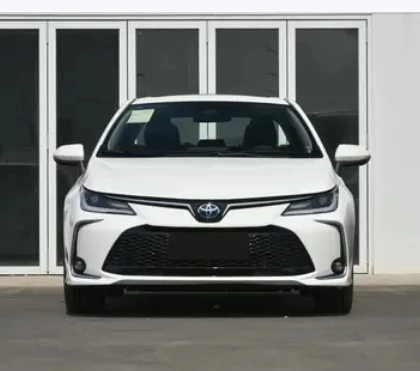
ההשלכות הפיננסיות של רכישת רכב חדש מרחיקות לכת מעבר למחיר המודפס הראשוני, ויוצרות גלגלת השפעה בכל מבנה התקציב החודשי שלכם. מתכנני תקציב חכמים מזהים שרכישת רכב חדש היא אחת הרכישות הצרכניות הגדולות ביותר, ודורשת ניתוח זהיר הן של התחייבויות חודשיות מיידיות והן של עמדתך הפינансית האורכית, כדי להבטיח בעלות ברת קיימא ללא פגיעה במטרות פיננסיות חיוניות אחרות.
התחייבויות תשלום חודשיות ישירות מרכישת רכב חדש
חישובים של הקרן והריבית
ההשפעה הגלוייה ביותר של רכישת רכב חדש על התקציב החודשי מגיעה דרך מבנה תשלומי ההלוואה, הכולל החזר הקרן ותשלום הריבית המבוסס על כושר האשראי שלך ותנאי ההלוואה. לרכב חדש יש לרוב זכאות לערבות ריבית נמוכות יותר בהשוואה לרכב משומש, אך המחירים הגבוהים יותר לרוב יוצרים התחייבויות חודשיות משמעותיות שעשויות להימדד בין 300 דולר ל-800 דולר או יותר, בהתאם למחלקת הרכב ותנאי המימון.
הבנה כיצד משפיע רכב חדש על יחס החוב להכנסה שלך הופכת חיונית, מאחר שמוסדות ההלוואות ממליצים בדרך כלל לשמור את סך כל תשלומי הרכב מתחת ל-10–15% מההכנסה החודשית הגולמית. תקופות ההלוואה האורכות הזמינות לרכבים חדשים, אשר לעיתים קרובות מגיעות ל-72 או 84 חודשים, עשויות להפחית את התשלומים החודשיים, אך מגדילות את סך הריבית הכוללת שתישלם לאורך תקופת ההלוואה, ולכן דרושה בירור זהיר של עמידות התקציב שלך בטווח הארוך.
רכבים חדשים מספקים גם את היתרונות של תמריצי יצרן ומחירים מושכים למתן הלוואות, שיכולים לכלול דירוגי ריבית של 0% לשנה (APR), מה שעשוי להפחית משמעותית את עומס התשלומים החודשיים בהשוואה לאופציות המסורתיות למתן הלוואות. מחירים מושכים אלו יכולים להפוך רכבים חדשים ליותר נגישים תקציבית בחודש, אם כי הם בדרך כלל דורשים ציון אשראי מעולה וייתכן שכוללים הסתגלויות במשא ומתן על מחיר הרכישה של הרכב.
השפעת ההון העצמי על זרימת המזומנים
דרישות ההון העצמי לרכבים חדשים יוצרות השפעה מיידית על תכנון התקציב שלכם, ובהיקף נפוץ של 10–20% ממחיר הרכישה של הרכב כדי לאפשר תנאים מועדפים למתן הלוואה. השקעה ראשונית כזו יכולה לצמצם את קרנות החירום או להסיט כספים ממטרות פיננסיות אחרות, ולכן נדרשת תכנון אסטרטגי כדי לשמור על יציבות פיננסית כוללת בעת מעבר לבעלות על רכב חדש.
רכבים חדשים לעתים קרובות מציעים גמישות במבני התשלום המוקדם, כאשר יצרנים מסוימים מציעים תוכניות תשלום מוקדם נמוך או אפס, אף על פי שכך לרוב גורם לתשלומים חודשיים גבוהים יותר ולייעול ריבית כולל גבוה יותר. מתכנני תקציב חייבים לשקול את הנחיתה המיידית על זרימת המזומנים מהפחתת התשלום המוקדם לעומת ההשלכות ארוכות הטווח של התחייבויות חודשיות גבוהות יותר וסיכון לאי-שוויון שלילי.
הזמן בו מבצעים רכישת רכב חדש ביחס לזמינות התשלום המוקדם יכול להשפיע באופן משמעותי על ההשפעה החודשית על התקציב, כיוון שרכישת רכב בזריזות ללא מאגר התשלום המוקדם המתאים עלולה להכריח בתשלומים חודשיים גבוהים יותר אשר מפעיעים על קטגוריות תקציב קבועות כגון דיור, מזון ותרומות לחסכונות.
השלכות על עלויות ביטוח והגנה
דרישות לביטוח מקיף
רכבים חדשים מפעילים אוטומטית דרישות גבוהות יותר לביטוח בשל ערכם המוגבר ודרישת המלווה לביטוח מקיף ולביטוח התנגשות לאורך כל תקופת ההלוואה. רמות הביטוח המוגבאות הללו יכולות להעלות את עלויות הביטוח החודשיות ב-50–200 דולר בהשוואה לביטוח אחריות בסיסי לרכב ישן, מה שמייצג השפעה משמעותית על התקציב המתמשכת לאורך כל תקופת הבעלות.
ההשלכות הביטוחיות של מכוניות חדשות כוללות גם שיקול דעת בנוגע לביטוח פער (Gap Insurance), אשר מגן על הפרש בין הערך הכספי האמיתי של הרכב לבין הסכום הפתוח בהלוואה במקרה של אובדן מלא. הגנה נוספת זו מוסיפה בדרך כלל 15–30 דולר לחודש לתעריפי הביטוח, אך מספקת הגנה פיננסית קריטית בשנים הראשונות של הבעלות, כאשר ירידת הערך של הרכב מהירה יותר מאשר הפחתת הקרן בהלוואה.
דפוסי הסיכון לביטוח של דגמים חדשים שונים של רכבים משתנים, כאשר רכבים יוקרתיים, רכבי ספורט ודגמים עם שיעור גניבות גבוה יותר מחייבים פרמי ביטוח משמעותית גבוהות יותר שיכולות להשפיע קשות על חישובי התקציב החודשי. קונים שמתכננים את התקציב שלהם בקפידה צריכים לחקור מראש את עלויות הביטוח של רכבים חדשים ספציפיים לפני הקנייה, כדי להימנע מהפתעה בפרמיה שתפריע לתכנון המדויק של ההקצאות החודשיות.
עלות אחריות מורחבת ותוכניות שירות
לרכבים חדשים נלווים לעיתים קרובות אפשרויות לרכישת אחריות מורחבת ותוכניות שירות שיוצרות התחייבויות תקציביות חודשיות נוספות, בדרך כלל בטווח של 25–75 דולר אמריקאי לחודש, כאשר הן מומנות כחלק מההלוואה. למרות שתוכניות אלו יכולות לספק נחת נפש והוצאות תחזיות לתיקונים ותחזוקה, הן מייצגות הוצאות חודשיות קבועות נוספות שחייבות להיכלל בחישובי התכנון התקציבי.
הערך המוצע של תוכניות ההגנה המורחבות לרכב חדש דורש ניתוח זהיר, מאחר שוותיקות היצרן מספקות לרוב כיסוי נרחב במהלך השנים הראשונות של הבעלות. מתכנני התקציב צריכים להעריך האם העלות החודשית של הכיסוי המורחב תואמת את רמת הסיכון שאותה הם מוכנים לספוג ואת משאבי קרן החירום הזמינה להם לתיקונים בלתי צפויים.
השפעות תקציביות מתמשכות על הפעלה ותחזוקה
יעילות הדלק והעלויות האנרגטיות
רכבים חדשים מציעים לרוב יעילות דלק משופרת בהשוואה לרכב ישן, מה שיכול לצמצם את הוצאות הדלק החודשיות ב-30–100 דולר, בהתאם לדפוסי הנהיגה ולשיפור היעילות של הרכב החדש. רכבים חדשים מודרניים כוללים טכנולוגיות מתקדמות למנוע, מערכות היברידיות ושיפורים אאראודינמיים שיכולים להשפיע באופן משמעותי על הוצאות התעבורה החודשיות, במיוחד לנהגים הנוסעים מרחקים גדולים.
ההשלכות על עלות הדלק של רכבים חדשים הופכות חשובות במיוחד בתקופות של תנודות מחירים בדלק, כיוון שרכבים יעילים יותר מספקים יציבות ותחזית טובות יותר של התקציב. רכבים חשמליים חדשים מאפסים לחלוטין את עלות הגזולין, אך עלולים לייצר הוצאות לטעינה בחשמל ולדרוש שיקול דעת בנוגע ל בית השקעות בתשתיות טעינה שמשפיעות על התקציב החודשי להספקת חשמל.
רכבים חדשים עם טכנולוגיות מתקדמות לחיסכון בדלק לעתים קרובות דורשים מחיר רכישה גבוה יותר, מה שדורש מתכנני התקציב לחשב את תקופת ההחזר על החיסכון בדלק לעומת התחייבויות התשלום החודשי המוגבאות. ניתוח זה הופך קריטי לקביעת אם החיסכון בתפעול מצדיק את העלויות הגבוהות יותר לרכישה בתוך מגבלות התקציב הספציפיות שלכם.
לוח זמנים ותחזיות עלויות לתיקונים ותחזוקה
לרכבים חדשים יש בתחילת דרכם הוצאות תחזוקה מינימליות במהלך תקופת האחריות, מה שיכול למזער את האlokציות החודשיות לתיקונים בהשוואה לרכב ישן שדורש תיקונים תכופים. עם זאת, רכבים חדשים דורשים לעיתים קרובות חלקים יקרים וاجות שירות מיוחדות שיכולים להגביר את עלות כל מקרה כאשר פוקעת אחריות המصنع, ולכן יש לתכנן מראש את התקציב התפעולי לתחזוקה לאורך זמן.
דרישות התיקון המתוכננות לרכב חדש עוקבות אחר مواصفות היצרן, שעלולות להיות תכופות יותר או יקרות יותר מאשר ניסיון ההבעלות הקודם של הרכב. רכבים חדשים מודרניים כוללים מערכות מורכבות הדורשות נוזלים מיוחדים, מסננים מיוחדים ואגרות אבחון מיוחדות שיכולים להשפיע על האlokציות החודשיות לתיקון, בדרך כלל בטווח של 50–150 דולר אמריקאי לחודש בממוצע לאורך תקופת הבעלות.
לרכבים חדשים עלולים להיקבע תוכניות תחזוקה מראש שמתפזרות עלות התיקון לתשלומים חודשיים צפויים, מה שמביא ליציבות תקציבית אך דורש התחייבות מראש המשפיעה על החלטות מימון הקנייה הראשונית. תוכניות אלו יכולות לסייע ביציבות התקציב החודשי להובלה, אך דורשות הערכה זהירה של יעילות עלות בהשוואה לגישות תחזוקה לפי דרישה.
שקולות פחת והזדמנות אבודה
השפעת ירידת ערך הנכס
מכוניות חדשות חוות ירידת ערך מיידית ומשמעותית, בדרך כלל מאבדות 20-30% מערכן במהלך השנה הראשונה, מה שיוצר עלויות חודשיות נסתרות שאינן מופיעות בחישובי תקציב מסורתיים אך משפיעות באופן משמעותי על השווי הנקי והמצב הפיננסי. ירידת ערך זו מייצגת עלות אלטרנטיבית השווה ל-200 עד 500 דולר לחודש עבור מכוניות חדשות רבות, כסף שאחרת היה יכול להיות מושקע או מוקצה לנכסים שעולים בערך.
עקומת התייקרות של רכבים חדשים משפיעה על תכנון התקציב החודשי על ידי השפעה על אפשרויות המימון מחדש, החלטות לגבי זמן המעבר לרכב חדש ויעילות כללית של האסטרטגיה להובלה. הבנת דפוסי התייקרות עוזרת לתכנוני התקציב לקבוע את תקופת הבעלות האופטימלית ואת זמן ההחלפה כדי למזער את העלות הכוללת להובלה בתוך מסגרות התקציב החודשיות שלהם.
רכבים חדשים בקטגוריות מסוימות, כגון רכבים יוקרתיים או מקטעים טכנולוגיים שמתפתחים במהירות, עלולים לחוות ירידה מואצת בערך שמחזיקה את העלויות החודשיות הנסתרות של הבעלות. תכנוני התקציב צריכים לקחת בחשבון את דפוסי התייקרות האלה בתכנון הכלכלי הכולל שלהם כדי להבטיח שרכישת רכב חדש תואמת את המטרות הרחבות לבניית הון.
ניתוח אפשרויות השקעה חלופיות
ההון המוקצה לרכבים חדשים מייצג עלויות הזדמנות במונחים של השקעות חלופיות שיכולות לייצר הכנסות חודשיות או עלייה בשווי, ודורש מתכנני התקציב לקחת בחשבון את ההשפעה הפיננסית הכוללת מעבר לתשלומים החודשיים הישירים. התשלום הקדמי והחובות החודשיות הגבוהות יותר לרכבים חדשים מפחיתים את ההון הזמין להשקעות שיכולות לייצר פוטנציאלית 50–200 דולר בהכנסות חודשיות, בהתאם לתנאי השוק ואסטרטגיות ההשקעה.
רכבים חדשים עשויים להיות הגיוניים מבחינה פינансית כאשר סך עלות הבעלות, כולל היתרונות הנובעים מהאמינות והפחתת הסיכונים של תקלות, מספקים ערך טוב יותר מאשר שימור רכבים ישנים תוך השקעה של ההפרש. חישוב זה דורש ניתוח מקיף של עלויות תחזוקה, השפעת עצירת הפעילות (downtime) והגורמים לאימונות, אשר משפיעים הן על ההוצאות החודשיות הישירות והן על ההשפעות החודשיות הלא-ישירות על התקציב.
תכנון תקציב אסטרטגי לאינטגרציה של רכב חדש
זמני זרימת המזומנים והתאמות עונתיות
הטמעת רכישת רכבים חדשים בתכנון התקציב החודשי מחייבת התייחסות זהירה לזמן זרימת המזומנים, מאחר שצירוף של התשלום הראשוני, התשלום החודשי הראשון, התאמות ביטוח והעמלות לרישום עלול ליצור לחץ תקציבי משמעותי בטווח הקצר שדורש ניהול אסטרטגי.
רכבים חדשים שנרכשים במהלך תקופות קידום מכירות או מעברי דגמים עונתיים עשויים להציע הזדמנויות טובות יותר להטמעה תקציבית באמצעות ירידות במחיר או תנאים מועדפים למימון שמזערים את ההשפעה על התשלומים החודשיים. תיאום אסטרטגי של זמן הרכישה יכול למזער את ההשפעה הכוללת על התקציב ב-50–150 דולר לחודש בהשוואה לרכישות שבוצעו בתקופות ביקוש מרבי או כאשר מלאי הרכבים מוגבל.
האופי העונתי של ההנחות על רכישת רכב חדש ומחזור התקציב האישי שלכם חייבים להתאים זה לזה כדי למקסם את ההשפעה החודשית של רכישת רכב חדש. מתכנני תקציב שמאגדים את רכישת הרכב החדש עם תשלומים של פרמיות, החזרי מס או מקורות הכנסה אחרים לא סדירים יכולים למזער את ההפרעה לקטגוריות התקציב החודשי הסדירות, תוך הבטחת תנאים טובים יותר לרכישה.
התאמות לصندوق החירום ולכריתת הביטחון הכספי
רכישת רכב חדשה מחייבת לעתים קרובות התאמות בחישוב פונדס החירום, מאחר שההתחייבויות החודשיות הגבוהות יותר והעלויות המגוברות לביטוח יוצרות הפרעות תקציביות גדולות יותר במקרה של הפסקת הכנסות. מתכנני כספים ממליצים בדרך כלל להעלות את פונדס החירום ב-3–6 חודשים של העלויות החודשיות הנוספות הקשורות לרכישת הרכב החדש, כדי לשמור על כריתות ביטחון כספי מספקות.
היתרונות באימונים של רכבים חדשים עלולים להפחית את הצורך בקופת חירום גדולה לתיקונים בהשוואה לרכב ישן יותר, מה שיכול לאפשר הקצאת מחדש חלקית של קופת החירום כדי לכסות את התחייבויות החודשיות הגוברות ללא פגיעה באבטחה הפיננסית הכוללת. איזון זה מחדש דורש ניתוח זהיר של גורמי הסיכון ועדיפויות התקציב כדי להבטיח הגנה פיננסית מקיפה.
שאלה נפוצה
כמה צריך לשלם על רכב חדש יחסית להכנסה החודשית?
מומחים פיננסיים ממליצים בדרך כלל להגביל את סך עלויות התחבורה, כולל תשלומים, ביטוח, דלק ותחזוקה לרכב חדש, ל־15–20% מההכנסה החודשית הגולמית. הנחיה הזו מבטיחה שבעלות על רכב חדש לא תפגע בקטגוריות תקציביות impresivas אחרות, כגון דיור, חסכונות וسداد חובות, תוך שמירה על גמישות פיננסית לצורך הוצאות בלתי צפויות או שינויים בהכנסה.
האם רכבים חדשים תמיד מגדילים את ההוצאות החודשיות בהשוואה לרכב משומש?
רכבים חדשים לא תמיד מגדילים את הוצאות החודשיות הכוללות, מכיוון שהיעילות המוגדלת שלהם בצריכת דלק, הדרישות הנמוכות יותר לתיקונים במהלך תקופת האחריות והאימוניות הגבוהה יותר יכולים לפצות על העלויות הגבוהות יותר של התשלום החודשי והביטוח. ההשפעה על התקציב החודשי תלויה ברכבים הספציפיים שנשווים, בתנאי המימון הזמינים ובתבניות הנהיגה האישיות, מה שגורם לניתוח מקרה-למקרה להיות חיוני לתכנון תקציב מדויק.
אילו הוצאות חודשיות נסתרות עליי לצפות ברכבים חדשים?
ההוצאות החודשיות הנסתרות ברכבים חדשים כוללות עמלות רישום גבוהות יותר, דרישה לדלק יקר יותר בדגמים מסוימים, גבהים גבוהים יותר לביטוח, עלויות חניה באזורים עירוניים והעלות האופורטונית של ההון המשובץ בנכס שמת depreciates. הוצאות נסתרות אלו יכולות להוסיף 100–300 דולר לתקציב התחבורה החודשי האפקטיבי שלך מעבר לתשלום, לביטוח ולעלות הדלק הגלויים.
איך אפשר למזער את ההשפעה על התקציב החודשי של רכבים חדשים?
מזערו את ההשפעה על התקציב החודשי על ידי בחירת דגמים חסכוניים בדלק, משא ומתן על תנאיס מימון נוחים, קביעת זמן הרכישה בתקופות של מבצעים, שיקול אפשרות רכישת רכב מאושר לשימוש קודם, ובחרו ברכבים בעלי ערך שיווק חוזר חזק. בנוסף, השוו את דרכי הביטוח אצל ספקים מרובים, הסירו פריטים נוספים שאינם נדרשים, ושמרו על ציון אשראי מעולה – כל זה יכול להפחית באופן משמעותי את העומס החודשי הכולל על חשבון הרכב החדש.