
 EN
EN

Purchasing a used car bought from South African dealerships represents a significant investment that requires proper maintenance to ensure longevity and optimal performance. South African dealerships offer diverse vehicle options, from compact city cars to robust SUVs designed for varied terrain conditions. Understanding the specific maintenance requirements for vehicles purchased in this market helps owners maximize their investment while ensuring safety and reliability on the road.
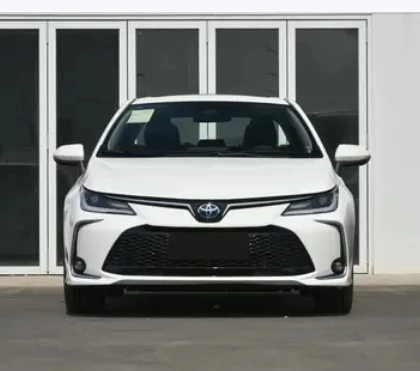
The South African automotive market presents unique challenges and opportunities for used car owners. Climate variations across different regions, from coastal humidity to inland aridity, create distinct maintenance demands. Vehicles sourced from South African dealerships often come with service histories that reflect these environmental factors, making it crucial to understand regional maintenance patterns and adapt care routines accordingly.
Establishing a comprehensive maintenance routine immediately after purchase ensures that your vehicle continues performing at its best throughout its operational life. This proactive approach prevents costly repairs, maintains resale value, and provides peace of mind during daily commuting or long-distance travel. The following guidelines outline essential practices for maintaining any used car bought from South African dealerships, regardless of make, model, or age.
Essential Regular Maintenance Procedures
Engine Oil and Filter Management
Regular oil changes form the foundation of proper vehicle maintenance for any used car bought from South African dealerships. Engine oil lubricates moving parts, reduces friction, and helps regulate operating temperatures. South African driving conditions, including stop-and-go traffic in major cities like Johannesburg and Cape Town, can accelerate oil degradation and require more frequent changes than manufacturer recommendations suggest.
Most vehicles benefit from oil changes every 5,000 to 10,000 kilometers, depending on driving conditions and oil type. Synthetic oils typically last longer than conventional oils but cost more initially. Always replace the oil filter simultaneously with oil changes to ensure optimal filtration and engine protection. Keep detailed records of oil changes, including dates, mileage, and oil specifications used.
Check oil levels monthly using the dipstick, ensuring measurements are taken when the engine is cool and parked on level ground. Low oil levels can cause severe engine damage, while overfilling can create pressure issues and reduce efficiency. Quality oil appropriate for your vehicle's specifications and South African climate conditions ensures optimal engine protection and performance.
Cooling System Maintenance
The cooling system prevents engine overheating, particularly important in South Africa's varied climate zones. Regular coolant level checks and system flushes protect against corrosion and maintain optimal operating temperatures. Coolant should be replaced every two to three years or according to manufacturer specifications, using the correct mixture ratio for local conditions.
Inspect radiator hoses for cracks, bulges, or soft spots that indicate potential failure. Replace worn hoses before they fail to avoid roadside breakdowns and potential engine damage. Clean radiator fins regularly to remove debris that can restrict airflow and reduce cooling efficiency. This maintenance becomes especially critical during South African summer months when temperatures can exceed 35°C.
Monitor temperature gauge readings during operation, noting any unusual increases that might indicate cooling system problems. Address overheating issues immediately by checking coolant levels, inspecting for leaks, and ensuring the radiator fan operates correctly. Professional cooling system pressure tests can identify hidden leaks before they cause major problems.
Brake System Care and Safety
Brake Pad and Disc Inspection
Brake system maintenance ensures safety for drivers of any used car bought from South African dealerships. Regular inspection of brake pads, discs, and fluid levels prevents brake failure and maintains stopping power in emergency situations. South African driving conditions, including mountain passes and urban traffic, place significant demands on braking systems that require careful monitoring.
Inspect brake pads every 10,000 kilometers or when unusual noises occur during braking. Worn pads produce squealing or grinding sounds that indicate immediate replacement needs. Brake discs should show smooth surfaces without deep grooves, warping, or excessive wear patterns. Replace both pads and discs when wear limits are reached to maintain balanced braking performance.
Professional brake inspections during routine service visits help identify potential problems before they become safety hazards. Qualified technicians can measure pad thickness, assess disc condition, and check brake fluid quality. Never ignore brake warning signs, as failure to maintain this critical safety system can result in accidents and legal liability.
Brake Fluid and Hydraulic System
Brake fluid transfers force from the pedal to the brake components, making its condition crucial for system operation. Replace brake fluid every two years or according to manufacturer specifications, as it absorbs moisture over time and becomes less effective. Contaminated fluid can cause brake failure and damage expensive hydraulic components.
Check brake fluid levels monthly and top up with the correct specification fluid when necessary. Low fluid levels often indicate worn brake pads or system leaks that require immediate attention. Brake fluid should appear clear or light amber; dark, contaminated fluid needs immediate replacement to prevent system damage.
Bleed brake systems periodically to remove air bubbles that can cause spongy pedal feel and reduced braking effectiveness. This procedure requires specific techniques and equipment, making professional service advisable for most owners. Proper brake fluid maintenance ensures consistent, reliable stopping power essential for safe vehicle operation.
Tire Care and Replacement Strategies
Tire Pressure and Rotation
Proper tire maintenance extends tire life, improves fuel efficiency, and enhances safety for owners of used cars bought from South African dealerships. Check tire pressures monthly when tires are cool, using a reliable pressure gauge and inflating to manufacturer specifications found on the vehicle placard or owner's manual. Under-inflated tires wear prematurely and increase fuel consumption, while over-inflation reduces contact area and compromises handling.
Rotate tires every 8,000 to 10,000 kilometers to ensure even wear patterns and maximize tire life. Different rotation patterns suit various drive configurations, including front-wheel, rear-wheel, and all-wheel drive vehicles. Consistent rotation prevents premature replacement of individual tires and maintains balanced handling characteristics essential for safe operation.
Monitor tire wear indicators and tread depth regularly, replacing tires when tread depth reaches 1.6mm or wear bars become visible. Uneven wear patterns often indicate alignment issues, suspension problems, or incorrect tire pressures that require professional diagnosis and correction. Quality tires appropriate for South African road conditions ensure optimal traction and safety.
Wheel Alignment and Balancing
Proper wheel alignment ensures even tire wear, optimal handling, and improved fuel efficiency. Misalignment causes rapid tire wear, steering pull, and reduced vehicle stability, particularly dangerous during emergency maneuvers. Have alignment checked annually or whenever new tires are installed, addressing any adjustments needed to maintain manufacturer specifications.
Wheel balancing eliminates vibrations caused by weight distribution irregularities, improving ride comfort and preventing premature suspension wear. Unbalanced wheels cause steering wheel vibration at highway speeds and accelerated tire wear in specific patterns. Professional balancing services use specialized equipment to identify and correct weight distribution problems.
Address alignment and balancing issues promptly to prevent costly tire replacement and suspension damage. These services represent relatively minor investments that protect larger expenditures and ensure optimal vehicle performance. Regular attention to wheel geometry maintains the handling characteristics that contribute to safe, comfortable driving experiences.
Electrical System Maintenance
Battery Care and Testing
Vehicle batteries require regular maintenance to ensure reliable starting and electrical system operation. Clean battery terminals monthly, removing corrosion buildup that can prevent proper electrical connections. Apply terminal protector spray after cleaning to prevent future corrosion and maintain optimal conductivity between battery posts and cable connections.
Test battery voltage and capacity annually or when starting problems occur. Most automotive batteries last three to five years under normal conditions, but extreme temperatures common in parts of South Africa can shorten battery life significantly. Replace batteries showing voltage drops or capacity reductions to avoid unexpected starting failures.
Check battery mounting and cable connections regularly, ensuring secure attachment and proper cable routing. Loose batteries can damage internal components due to vibration, while loose cables create electrical resistance that reduces charging efficiency. Proper battery maintenance prevents roadside breakdowns and protects sensitive electronic components throughout the vehicle.
Alternator and Charging System
The alternator charges the battery and powers electrical systems while the engine runs, making its proper operation essential for reliable vehicle function. Monitor charging system operation through dashboard warning lights and voltage gauge readings during normal operation. Dimming headlights, slow cranking, or dashboard warning lights often indicate charging system problems requiring immediate attention.
Have the charging system tested annually during routine service visits, checking alternator output, belt condition, and electrical connections. Worn alternator belts can slip and reduce charging capacity, while loose connections create resistance that affects system efficiency. Professional testing identifies potential problems before complete failure occurs.
Address charging system problems promptly to prevent battery damage and electrical component failure. A failing alternator can drain the battery and leave drivers stranded, while damaged electrical components can be expensive to replace. Regular maintenance and prompt repairs ensure reliable electrical system operation essential for modern vehicle function.
Preventive Care Documentation
Service Record Management
Maintaining detailed service records provides valuable information for ongoing maintenance planning and enhances resale value when selling your used car bought from South African dealerships. Record all maintenance activities, including dates, mileage, parts used, and service provider information. This documentation helps identify maintenance patterns, track warranty coverage, and demonstrate proper care to potential buyers.
Use digital or physical logbooks to track routine maintenance, repairs, and part replacements systematically. Include receipts, warranty information, and photographs when documenting significant repairs or modifications. Comprehensive records help identify recurring problems and support warranty claims when covered repairs are needed.
Create maintenance schedules based on manufacturer recommendations and actual driving conditions, adjusting intervals as needed for severe service requirements. South African driving often qualifies as severe service due to dust, temperature extremes, and traffic conditions that accelerate component wear. Proper documentation supports proactive maintenance scheduling that prevents expensive failures.
Professional Service Relationships
Establishing relationships with qualified service providers ensures consistent, reliable maintenance for your vehicle. Research local mechanics, dealership service departments, and specialty shops that demonstrate expertise with your vehicle make and model. Quality service providers offer valuable advice, identify potential problems early, and perform work to professional standards.
Schedule regular inspections with trusted professionals who can identify problems beyond typical owner maintenance capabilities. Professional diagnostics using specialized equipment can detect issues before they cause major failures, saving significant repair costs over time. Building long-term service relationships provides continuity and personalized attention to your vehicle's specific needs.
Communicate openly with service providers about driving patterns, performance concerns, and budget considerations. Experienced technicians can prioritize maintenance needs and suggest cost-effective solutions that maintain safety while managing expenses. Quality service relationships contribute significantly to successful long-term vehicle ownership experiences.
FAQ
How often should I service my used car bought from South African dealerships?
Service intervals depend on your vehicle's age, mileage, and driving conditions, but generally every 10,000-15,000 kilometers or every six months is recommended. Severe driving conditions common in South Africa, including extreme temperatures, dusty conditions, and stop-and-go traffic, may require more frequent service intervals. Always follow manufacturer recommendations while adjusting for local conditions and your specific driving patterns.
What maintenance tasks can I perform myself versus requiring professional service?
Basic maintenance like checking fluid levels, tire pressures, and battery terminals can be performed by most owners with minimal tools and experience. However, complex procedures involving brake systems, electrical diagnostics, and engine internal components require professional expertise and specialized equipment. Focus on preventive tasks you can safely perform while relying on qualified technicians for critical safety systems and major repairs.
How do South African climate conditions affect vehicle maintenance requirements?
South Africa's diverse climate zones create varying maintenance demands, from coastal salt air that accelerates corrosion to inland dust that clogs filters and affects engine operation. Extreme temperature variations require attention to cooling systems, battery performance, and tire pressure monitoring. Adjust maintenance schedules to account for local environmental factors that may accelerate component wear beyond standard recommendations.
What should I prioritize if I have a limited maintenance budget?
Prioritize safety-critical systems including brakes, tires, and steering components, followed by engine oil changes and cooling system maintenance. These fundamental services prevent major failures that could result in expensive repairs or safety hazards. Create a maintenance schedule that addresses critical needs first while planning for additional services as budget allows, focusing on preventive care that offers the greatest return on investment.
Table of Contents
- Essential Regular Maintenance Procedures
- Brake System Care and Safety
- Tire Care and Replacement Strategies
- Electrical System Maintenance
- Preventive Care Documentation
-
FAQ
- How often should I service my used car bought from South African dealerships?
- What maintenance tasks can I perform myself versus requiring professional service?
- How do South African climate conditions affect vehicle maintenance requirements?
- What should I prioritize if I have a limited maintenance budget?