
 EN
EN
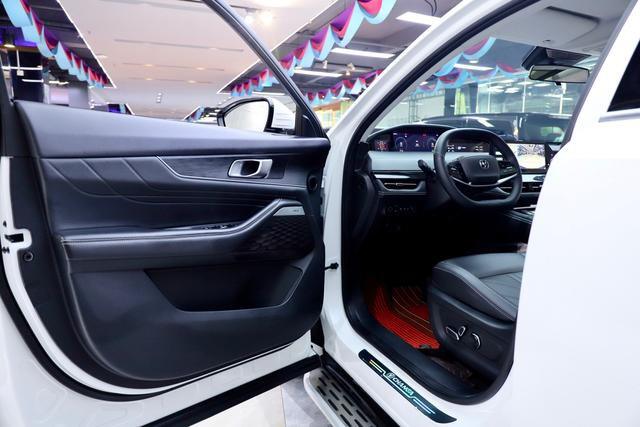
When you slide behind the wheel of a premium vehicle each morning, you're not just driving from point A to point B—you're engaging with an experience that fundamentally transforms your relationship with the road. Nice cars impact your daily driving experience through a sophisticated combination of engineered comfort, refined handling dynamics, advanced technology integration, and psychological satisfaction that collectively reshape every commute, errand, and journey. Understanding these impacts goes beyond surface-level luxury appreciation; it involves recognizing how premium automotive engineering addresses real-world driving challenges, reduces daily stress, and creates measurable improvements in comfort, safety, and driving pleasure that accumulate over time.
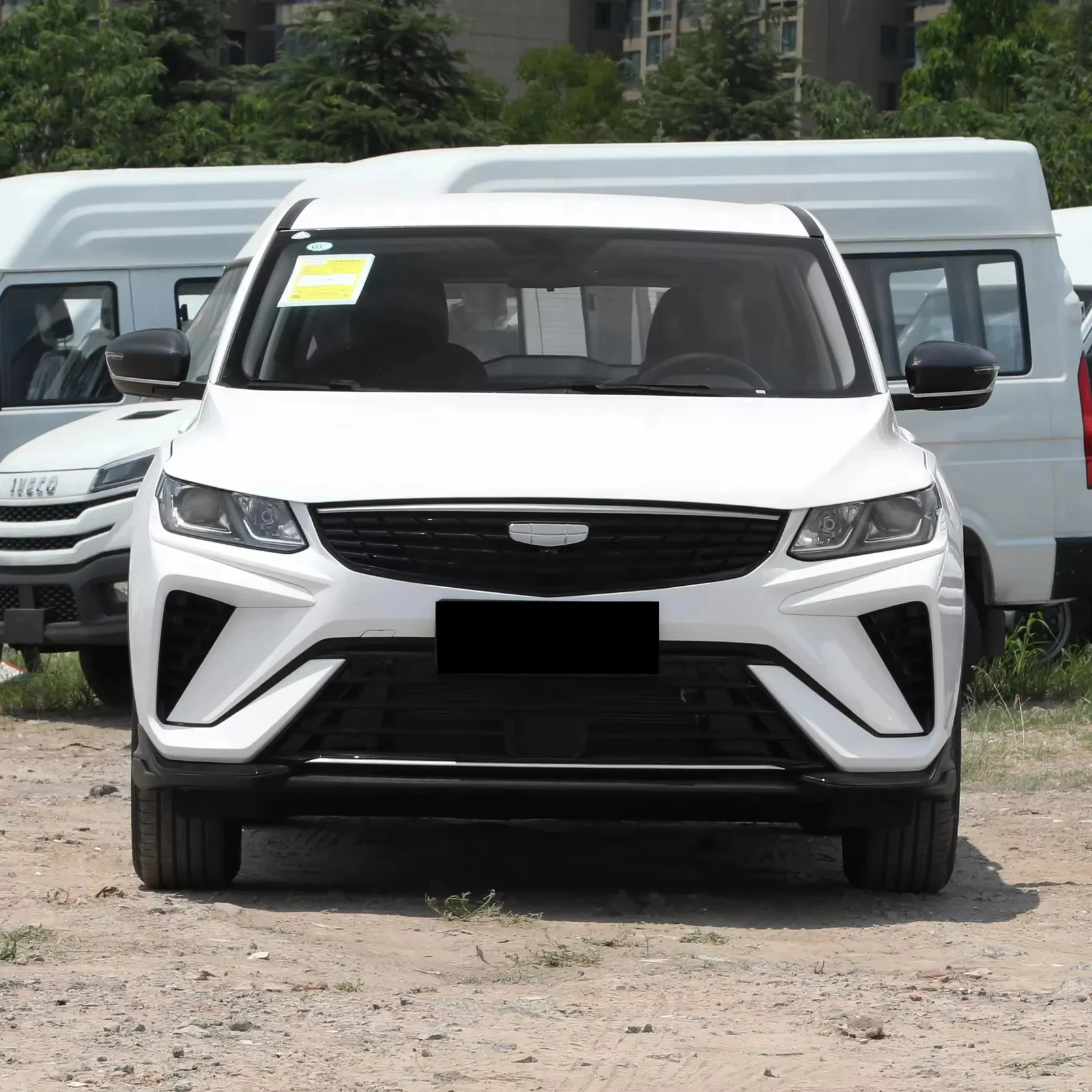
The distinction between ordinary vehicles and nice cars becomes most apparent in daily usage patterns rather than occasional drives. Premium vehicles are engineered with daily driving reality in mind—stop-and-go traffic, variable road conditions, extended commute durations, and the cumulative fatigue that comes from repetitive driving tasks. The impact manifests in subtle but meaningful ways: reduced driver fatigue during rush hour, enhanced confidence when merging into fast-moving traffic, superior climate comfort during extreme weather, and intuitive technology that reduces cognitive load. For professionals who spend significant time behind the wheel, these improvements translate into arriving at destinations more relaxed, focused, and physically comfortable, directly affecting work performance and personal well-being throughout the day.
Physical Comfort and Ergonomic Excellence in Daily Use
Advanced Seating Systems and Long-Duration Support
The seating systems in nice cars represent one of the most immediately noticeable improvements to daily driving experience, utilizing multi-contour adjustment mechanisms, memory foam integration, and lumbar support technologies that adapt to individual body geometry. Premium seats typically feature twelve to sixteen-way power adjustment, allowing drivers to fine-tune every aspect of seating position including thigh support extension, upper back bolstering, and shoulder width accommodation. This precision matters significantly during daily commutes averaging forty to ninety minutes, where inadequate support leads to lower back discomfort, shoulder tension, and leg circulation issues that persist long after exiting the vehicle.
Materials selection in nice cars focuses on breathability and temperature regulation, incorporating perforated leather with ventilation systems that actively circulate air through seat surfaces. During summer months, this prevents the perspiration buildup and discomfort associated with prolonged contact against non-ventilated surfaces. Conversely, integrated heating elements with multiple intensity zones provide targeted warmth distribution during cold weather, eliminating the stiffness and discomfort that affects concentration during winter driving. The temperature management extends beyond mere comfort—it actively prevents the physical tension that develops when body temperature regulation becomes a distraction, allowing drivers to maintain focus on traffic conditions and navigation decisions.
Cabin Noise Isolation and Acoustic Refinement
Acoustic engineering represents a critical yet often underappreciated aspect of how nice cars transform daily driving experience. Premium vehicles employ multi-layer acoustic glass, strategic sound-deadening material placement, and active noise cancellation systems that reduce cabin noise levels by fifteen to twenty-five decibels compared to economy vehicles. This reduction matters profoundly during daily highway commuting, where sustained exposure to wind noise, tire roar, and engine drone creates cumulative auditory fatigue that manifests as headaches, irritability, and reduced cognitive function. The quieter cabin environment in nice cars allows for normal-volume conversations without shouting, reduces the need to increase audio system volume to unhealthy levels, and creates a sanctuary-like atmosphere that provides psychological relief from external environmental stress.
The impact of superior acoustic isolation extends to safety enhancement, as drivers can more easily detect important auditory cues including emergency vehicle sirens, unusual mechanical sounds from their own vehicle, and proximity warnings from advanced driver assistance systems. During hands-free phone conversations, reduced background noise ensures clearer communication without requiring call participants to repeat information, improving professional communication effectiveness during commute time. For parents transporting children, the quieter cabin reduces the stress amplification that occurs when child voices echo in reverberant interior spaces, making school runs and activity transportation significantly less fatiguing over the course of a typical week.
Climate Control Precision and Air Quality Management
Climate control systems in nice cars transcend basic heating and cooling, implementing multi-zone temperature management that recognizes different passengers may have varying thermal comfort preferences. Advanced systems incorporate humidity sensors, air quality monitors, and automatic recirculation controls that respond to external pollution levels, ensuring cabin air remains fresh even when driving through industrial zones or congested urban areas with high particulate concentrations. This matters significantly for daily drivers with respiratory sensitivities or allergies, as premium filtration systems remove pollen, dust, and fine particulates that would otherwise trigger symptoms and discomfort during the commute.
The responsiveness of climate systems in nice cars reduces the temperature overshoot and cycling discomfort common in less sophisticated systems. Rather than oscillating between too cold and too warm, premium climate control maintains precise temperature stability through variable-speed compressors and intelligent vent direction management. During transitional weather seasons when morning and evening temperatures differ significantly, this precision eliminates the constant manual adjustment cycle that distracts from driving tasks. Additionally, preconditioning capabilities allow drivers to remotely activate climate systems before entering the vehicle, ensuring immediate comfort rather than enduring several uncomfortable minutes while systems reach desired temperatures—a seemingly small convenience that meaningfully improves the daily experience when multiplied across two hundred to three hundred commutes per year.
Driving Dynamics and Handling Confidence
Suspension Technology and Road Surface Management
The suspension systems in nice cars employ adaptive damping technology that continuously adjusts shock absorber firmness based on road surface conditions, vehicle speed, and driving dynamics, creating a fundamentally different interaction with pavement irregularities compared to conventional suspension designs. This adaptive capability matters tremendously during daily driving on mixed-quality roads, where potholes, expansion joints, and surface deterioration create jarring impacts in standard vehicles but are substantially mitigated in premium vehicles. The difference accumulates over time—what might seem like minor impact absorption improvements during a single drive translate into significantly reduced spinal compression stress, decreased neck strain, and lower cumulative vibration exposure when experienced across thousands of miles annually.
Advanced suspension systems in nice cars also enhance handling predictability during emergency maneuvers, providing drivers with greater confidence when sudden lane changes become necessary to avoid road hazards or accommodate aggressive drivers. The body roll control and chassis stability delivered by sophisticated suspension geometry means that evasive maneuvers feel controlled and secure rather than unsettling and risky. This confidence factor subtly but meaningfully reduces driving anxiety, particularly for commuters navigating congested highways where unpredictable traffic behavior requires constant vigilance. The psychological comfort of knowing your vehicle will respond predictably to control inputs allows drivers to maintain relaxed readiness rather than tense hypervigilance, reducing the mental fatigue that accumulates during lengthy commutes.
Powertrain Refinement and Response Characteristics
Engine and transmission integration in nice cars prioritizes smoothness and responsiveness over raw performance numbers, though many premium vehicles deliver both. The throttle response calibration in quality vehicles eliminates the hesitation and hunting behavior common in economy car powertrains, providing immediate, predictable power delivery when merging onto highways or accelerating through intersections. This responsiveness matters significantly during daily urban driving, where countless acceleration and deceleration cycles occur throughout each trip. The mental relief of knowing acceleration inputs will be answered immediately and proportionately reduces driving stress and allows for more confident traffic navigation.
Transmission programming in nice cars focuses on imperceptible shift quality, utilizing torque management strategies and clutch control algorithms that eliminate the lurch and hesitation associated with gear changes in conventional automatic transmissions. During stop-and-go traffic conditions typical of rush hour commuting, this refinement prevents the physical jolting and passenger discomfort that occurs with harsh shifts, maintaining smooth forward progress even during frequent speed variations. Additionally, intelligent transmission logic in premium vehicles learns driver behavior patterns and adjusts shift timing accordingly, creating a personalized driving experience that feels increasingly intuitive over time. This adaptive capability means the vehicle gradually becomes more aligned with individual driving style, enhancing the sense of connection between driver and machine that defines truly satisfying daily driving experiences.
Braking Systems and Deceleration Control
Premium braking systems in nice cars provide superior modulation and stopping power through larger brake rotor dimensions, advanced caliper designs, and brake-by-wire technologies that deliver precise, progressive deceleration control. This matters during daily driving scenarios requiring frequent speed adjustment, allowing drivers to make subtle speed corrections without triggering the nose-dive body motion and passenger discomfort associated with aggressive braking in conventional vehicles. The improved pedal feel and response linearity also enhances safety during emergency braking situations, as drivers can more accurately gauge braking force application without the uncertainty and overreaction common with less refined systems.
Advanced braking technologies in nice cars often incorporate regenerative braking coordination in hybrid and electric variants, creating one-pedal driving capabilities that reduce the physical effort of constant brake pedal modulation during congested traffic conditions. This reduction in repetitive pedal movement decreases leg fatigue significantly during lengthy commutes, while also extending brake component lifespan through reduced mechanical brake system usage. The cognitive simplification of managing vehicle speed primarily through accelerator pedal modulation rather than constant pedal switching reduces mental workload, allowing drivers to allocate more attention to situational awareness and hazard detection—a safety enhancement that provides daily value throughout ownership.
Technology Integration and Driver Assistance
Infotainment Systems and Connectivity Integration
The infotainment systems in nice cars transform daily driving through seamless smartphone integration, intuitive interface design, and responsive touchscreen or control dial operation that minimizes distraction while accessing navigation, communication, and entertainment functions. Unlike frustrating systems requiring multiple menu layers to accomplish simple tasks, premium infotainment platforms prioritize frequently used functions with single-touch access and voice command capabilities that actually recognize natural speech patterns. This usability difference matters substantially during daily commuting, where efficient route guidance access, hands-free calling, and audio source switching occur multiple times per trip. The reduced cognitive load of operating an intuitive system allows drivers to maintain primary attention on traffic while still accessing necessary vehicle functions.
Navigation systems in nice cars typically include real-time traffic integration, predictive routing based on historical congestion patterns, and connected services that identify parking availability at destinations. These capabilities save measurable time during daily commutes by proactively routing around developing traffic incidents and construction zones, preventing the frustration and delay associated with discovering blockages only after becoming trapped in stalled traffic. The premium navigation systems also feature superior map database accuracy and more frequent updates, reducing the navigation errors and outdated routing that plague less sophisticated systems. For business professionals balancing tight schedules, the time savings and reliability of premium navigation systems provide tangible daily value that accumulates into hours of recovered time across each year.
Advanced Driver Assistance System Capabilities
Nice cars incorporate comprehensive advanced driver assistance systems (ADAS) that actively reduce driving workload and enhance safety through adaptive cruise control, lane-keeping assistance, blind-spot monitoring, and automatic emergency braking capabilities. During daily highway commuting, adaptive cruise control with stop-and-go functionality manages speed and following distance automatically, allowing drivers to maintain attention on steering and situational awareness without the constant pedal modulation that creates leg fatigue during congested conditions. The system smoothly accelerates and decelerates in response to traffic flow, matching human driving patterns closely enough that passengers often cannot detect automated operation, while providing drivers with significant physical and mental relief during lengthy commutes.
Lane-keeping assistance and blind-spot monitoring in nice cars function as safety nets that compensate for momentary attention lapses inevitable during routine driving, gently correcting drift toward lane boundaries and providing clear warnings when vehicles occupy blind spots during lane change attempts. These systems reduce accident risk without creating dependence, as they're calibrated to assist rather than replace driver attention. For daily drivers covering hundreds of miles weekly, these assistance features provide cumulative safety value that becomes apparent when considering the statistical likelihood of attention lapses occurring during thousands of driving hours over years of ownership. The peace of mind knowing these systems provide backup protection reduces driving anxiety and allows for more relaxed, sustainable attention levels rather than exhausting hypervigilance.
Automated Parking and Low-Speed Maneuvering Assistance
Premium parking assistance systems in nice cars transform the stress and time consumption associated with parallel parking and tight garage maneuvering, utilizing surround-view camera systems and automated steering control to execute parking maneuvers with precision that most drivers cannot match manually. During daily urban driving where parking challenges occur multiple times weekly, these systems eliminate the anxiety and potential damage risk associated with difficult parking situations. The time savings may seem modest per instance—perhaps two to three minutes per difficult parking scenario—but accumulate meaningfully when multiplied across fifty to one hundred parking events annually, recovering hours that would otherwise be spent repositioning and adjusting.
The surround-view camera systems in nice cars provide complete visibility around the vehicle perimeter, displaying synthesized overhead views that reveal obstacles invisible from the driver's seat, including low barriers, curbs, and small objects that could cause damage during low-speed maneuvering. This visibility enhancement prevents the minor parking lot damage incidents that plague vehicle ownership, eliminating repair costs and the frustration of discovering unexplained scratches and dents. For drivers navigating congested urban environments daily, the confidence provided by comprehensive visibility reduces parking-related stress significantly, transforming potentially frustrating experiences into routine, worry-free maneuvers that preserve both vehicle condition and driver mood.
Psychological and Emotional Dimensions of Premium Vehicle Ownership
Pride of Ownership and Personal Satisfaction
The psychological impact of nice cars on daily driving experience extends beyond functional advantages to encompass emotional satisfaction derived from owning and operating a quality vehicle that reflects personal success and taste. This emotional dimension manifests each time drivers approach their vehicle in a parking lot, experiencing a moment of aesthetic appreciation and ownership pride that provides positive emotional reinforcement. While skeptics might dismiss this as superficial, the psychological research on environmental quality and emotional well-being demonstrates that daily interaction with well-designed, aesthetically pleasing objects genuinely enhances mood and reduces stress. For individuals spending substantial time in their vehicles, the cumulative impact of this repeated positive emotional experience contributes meaningfully to overall life satisfaction and daily mood quality.
The pride associated with nice cars also influences social interactions and professional perception, as vehicle choice communicates information about personal standards, professional success, and attention to quality. While vehicle selection should not be primarily driven by external validation, the reality remains that arriving at business meetings or social engagements in a well-maintained premium vehicle creates positive initial impressions that facilitate professional relationships and social interactions. This perception influence provides intangible but real value for professionals whose careers depend partly on client confidence and peer respect, making the vehicle choice a component of broader professional presentation strategy rather than mere transportation utility.
Stress Reduction and Commute Quality Enhancement
The cumulative effect of superior comfort, reduced noise, smooth handling, and reliable technology in nice cars creates measurable stress reduction during daily commuting compared to driving conventional vehicles. Physiological studies demonstrate that environmental stressors including noise, vibration, thermal discomfort, and physical constraint trigger cortisol release and activate stress response systems, leading to fatigue, irritability, and reduced cognitive function. Premium vehicles systematically address these stressors through engineering refinement, creating driving environments that maintain lower stress levels throughout commutes. The practical impact appears in drivers arriving at work destinations feeling more alert and positive, ready to engage productively rather than needing recovery time from a stressful commute experience.
For individuals with lengthy commutes spanning forty-five to ninety minutes each direction, the quality difference between nice cars and economy vehicles compounds dramatically over time. The cumulative annual exposure difference might total two hundred to four hundred hours in measurably different stress environments, creating health and well-being impacts that extend far beyond the immediate driving experience. Chronic stress reduction associated with superior commuting conditions potentially influences cardiovascular health, sleep quality, relationship satisfaction, and overall life enjoyment—outcomes difficult to quantify precisely but nonetheless real and valuable. Viewed through this broader health and well-being lens, the investment in nice cars transcends luxury spending to represent meaningful quality-of-life enhancement.
Confidence and Driving Enjoyment Cultivation
Nice cars cultivate enhanced driving confidence through predictable handling, responsive controls, and comprehensive safety systems that allow drivers to navigate challenging conditions with reduced anxiety and greater competence. This confidence development matters particularly for drivers who previously felt uncomfortable with highway merging, parallel parking, or adverse weather driving, as superior vehicle capabilities expand the range of conditions drivers can handle comfortably. The expanded capability creates positive feedback loops where successful navigation of previously challenging scenarios builds skill and confidence, further improving driving competence and expanding the situations drivers approach with calm capability rather than anxious avoidance.
The driving enjoyment factor in nice cars transforms commuting from tedious obligation into genuinely pleasant experience for many owners, creating anticipation rather than dread regarding daily drives. This emotional transformation occurs through the combination of responsive handling that makes steering inputs satisfying, well-tuned powertrains that provide engaging acceleration, and refined cabins that create pleasant sensory environments. While not every commute becomes thrilling, the baseline experience quality rises substantially, making even routine drives moderately enjoyable rather than merely tolerable. This enjoyment factor influences overall life satisfaction more than might be initially apparent, as the daily commute represents a substantial portion of waking hours for many professionals—improving this experience quality ripples through overall daily emotional state and life contentment.
Long-Term Value and Ownership Experience Considerations
Durability and Component Longevity
Nice cars typically incorporate higher-quality components and more robust engineering that delivers superior durability and longevity compared to economy vehicles, translating into fewer mechanical failures, reduced maintenance frequency, and extended useful life. Premium manufacturers invest in extensive durability testing protocols that simulate hundreds of thousands of miles of varied driving conditions, identifying and addressing potential failure points before production. This engineering rigor results in vehicles that maintain functionality and refinement through high-mileage ownership, rather than experiencing the progressive deterioration and accumulating malfunctions common in less rigorously engineered vehicles. For daily drivers accumulating fifteen to twenty thousand miles annually, this durability advantage prevents the disruption and expense of frequent repairs that compromise vehicle reliability.
The material quality in nice cars resists wear and aging more effectively than economy vehicle materials, maintaining interior appearance and functionality through years of daily use. Premium leather treatments resist cracking and fading, enhanced carpet fibers resist matting and staining, and superior plastics resist the UV degradation and surface deterioration that creates the worn appearance common in older economy vehicles. This sustained quality preservation matters significantly for owners maintaining vehicles beyond initial ownership periods, as nice cars retain appealing appearance and pleasant cabin environments much longer than conventional vehicles. The extended period of sustained quality means the daily driving experience remains consistently satisfying rather than gradually degrading into merely functional transportation.
Resale Value Retention and Ownership Cost Reality
While nice cars carry higher initial purchase prices, many premium vehicles demonstrate superior resale value retention that substantially reduces total ownership cost when comparing initial price against eventual resale proceeds. Certain premium brands maintain residual values of fifty to sixty percent after three years and thirty-five to forty percent after five years, compared to economy vehicles that may depreciate to forty percent and twenty-five percent respectively over the same periods. This retention advantage stems from sustained demand for quality used vehicles, lower mileage accumulation among premium vehicle owners, and the engineering durability that ensures these vehicles remain desirable and functional through high-mileage lifecycles. When calculating true ownership cost by subtracting expected resale value from purchase price and adding maintenance costs, the gap between nice cars and economy vehicles narrows considerably, sometimes even favoring premium vehicles when comparing total cost per mile driven.
The ownership experience quality difference between nice cars and economy vehicles justifies price premiums even when pure financial analysis appears neutral, as the accumulated benefits of superior comfort, reduced stress, enhanced safety, and greater driving enjoyment provide genuine quality-of-life value that transcends simple cost calculation. For professionals whose time carries significant opportunity cost, the productivity preservation and stress reduction associated with premium vehicles may deliver returns exceeding the incremental ownership cost through enhanced work performance and better health outcomes. This broader value perspective recognizes that transportation decisions influence daily well-being substantially and merit investment proportionate to the time spent in vehicles and importance of arriving at destinations in optimal physical and mental condition.
Maintenance Experience and Service Quality
The ownership experience with nice cars typically includes access to superior service facilities, more knowledgeable technicians, and higher service quality standards compared to economy vehicle maintenance experiences. Premium brand dealerships often provide amenities including comfortable waiting areas, complimentary refreshments, loaner vehicles during service, and concierge-level customer service that transforms vehicle maintenance from frustrating disruption into manageable convenience. For busy professionals, the ability to drop off a vehicle and receive a loaner immediately, then have service completed efficiently with clear communication regarding work performed, represents significant practical value that reduces the time burden and stress associated with vehicle ownership responsibilities.
The diagnostic capabilities and repair quality at premium service facilities typically exceed those available for economy vehicles, as technicians receive extensive manufacturer training, facilities invest in specialized diagnostic equipment, and parts availability tends to be more comprehensive. This service quality advantage reduces the frustrating diagnostic uncertainty and repeat repair attempts common with complex vehicle problems, getting vehicles returned to full functionality more reliably on the first service visit. While service costs at premium facilities typically exceed economy vehicle service pricing, the reduced likelihood of misdiagnosis and the higher probability of thorough problem resolution often results in lower total cost and less ownership disruption when considered across the complete ownership period.
FAQ
Do nice cars really make a difference for short daily commutes under twenty minutes?
Yes, nice cars provide meaningful benefits even during short commutes through immediate comfort advantages, superior climate control responsiveness, and stress reduction that affects your state upon arrival. The refined driving dynamics and reduced noise levels create a more pleasant start to your day, while advanced safety features protect during the statistically higher-risk moments of any drive regardless of duration. Additionally, the cumulative effect across hundreds of short trips annually adds up to substantial total time in improved environments. The pride of ownership and driving enjoyment factors also apply equally to short trips, transforming even brief drives into positive experiences rather than mere functional transportation.
How quickly can drivers notice the difference when switching from economy vehicles to nice cars?
Most drivers notice immediate differences in cabin quietness, seat comfort, and control responsiveness within the first drive, though full appreciation of advantages like fatigue reduction, technology convenience, and handling confidence develops over several weeks of daily use. The contrast becomes most apparent during challenging conditions including heavy traffic, poor weather, or long-distance drives where the engineering refinement in nice cars provides clear practical advantages. Many drivers report that returning to economy vehicles after extended nice car ownership reveals quality differences they had acclimated to and no longer consciously noticed, demonstrating how quickly superior vehicle quality becomes the expected baseline rather than a luxury novelty.
Are the technology features in nice cars actually useful or mainly marketing appeal?
The core technology features in nice cars including adaptive cruise control, navigation with traffic integration, blind-spot monitoring, and smartphone connectivity provide genuine daily utility that saves time, reduces stress, and enhances safety for drivers who use them properly. However, some advanced features may offer limited practical value depending on individual driving patterns and preferences, making it important to prioritize technology packages based on your specific needs rather than assuming all available features will prove equally useful. The key is distinguishing between technologies that address real pain points in your daily driving versus novel features that provide minimal practical benefit despite impressive demonstrations, focusing investment on capabilities that solve actual problems you experience regularly.
Can nice cars justify their higher cost purely through improved daily driving experience without considering status factors?
For drivers spending substantial time behind the wheel—typically forty-five minutes or more daily—the cumulative comfort, stress reduction, safety enhancement, and time savings from nice cars can justify cost premiums based purely on functional benefits and quality-of-life improvements. The calculation depends on individual financial circumstances and how much value you place on daily comfort and stress reduction relative to other spending priorities. When considering that many people spend more annually on entertainment, dining, or hobbies that provide less daily engagement than their vehicle, investing in transportation quality that affects every commute becomes defensible on purely practical grounds. The improved resale value retention of many premium vehicles also narrows the true ownership cost gap, making the functional justification stronger than initial price comparisons suggest.
Table of Contents
- Physical Comfort and Ergonomic Excellence in Daily Use
- Driving Dynamics and Handling Confidence
- Technology Integration and Driver Assistance
- Psychological and Emotional Dimensions of Premium Vehicle Ownership
- Long-Term Value and Ownership Experience Considerations
-
FAQ
- Do nice cars really make a difference for short daily commutes under twenty minutes?
- How quickly can drivers notice the difference when switching from economy vehicles to nice cars?
- Are the technology features in nice cars actually useful or mainly marketing appeal?
- Can nice cars justify their higher cost purely through improved daily driving experience without considering status factors?